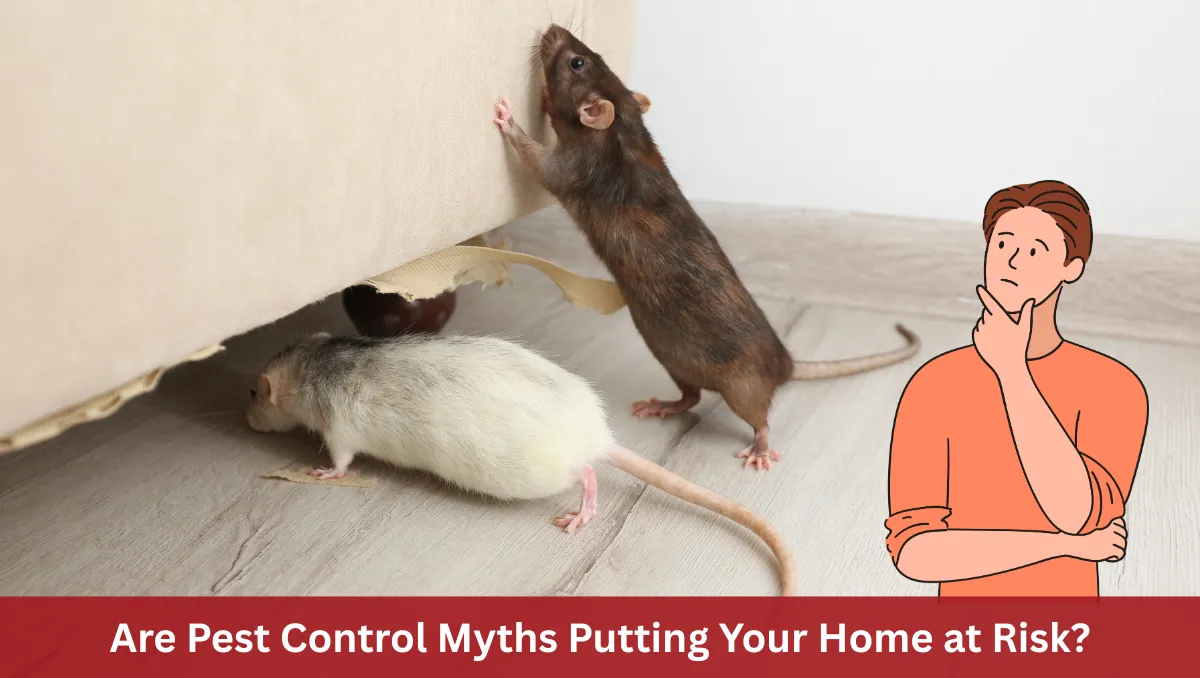
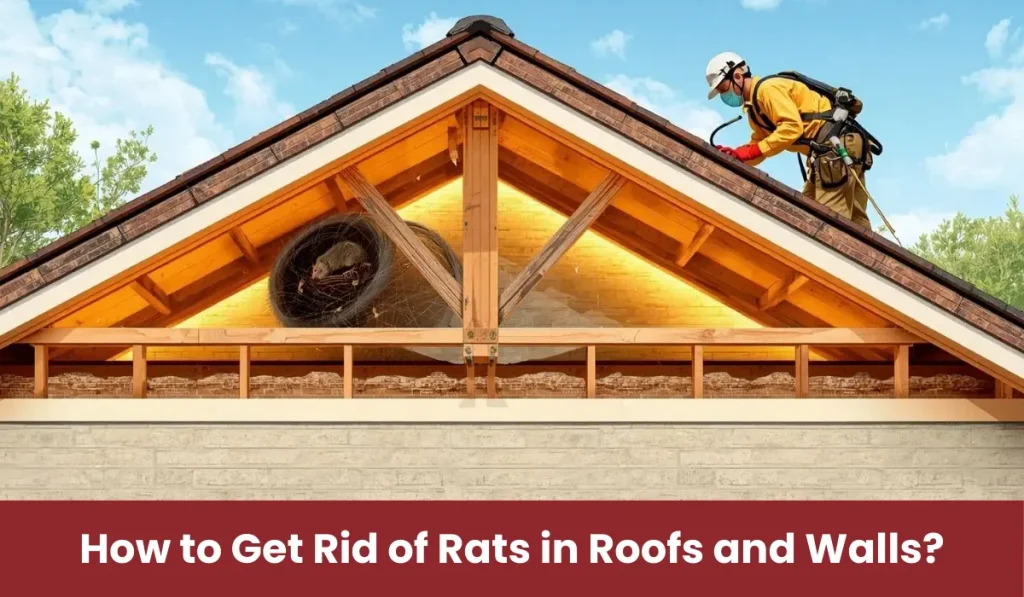
Rats in hidden spaces can cause serious structural and hygiene problems, and many homeowners first notice noises or damage before realising they urgently need proper rat removal in roof strategies that actually work. Roof voids and wall cavities are perfect nesting zones for rodents in the Australian climate, and dealing with them early prevents costly repairs later. This guide explains how to identify, remove and prevent rats using simple and effective steps suited to Australian homes.
Why Rats Choose Roofs and Walls?
Roof spaces and wall cavities offer warmth, darkness and easy access, which is why people dealing with noisy nights or damaged insulation often learn how persistent rats in walls Australia situations can become inside older houses. Rats are skilled climbers that use trees, cables and uneven exterior surfaces to reach the roof. Once inside, they nest quickly and multiply fast.
Australia’s mix of warm summers and cooler winters drives rodents indoors all year round. Roof areas become perfect shelter, and once they settle in, they chew wiring, contaminate insulation and leave strong smells. Homes near bushland, waterways, fruit trees or dense gardens experience even higher rodent activity.
If you’re unsure whether you’re dealing with rats or mice, comparing droppings helps — see What Does Rat Poop Look Like Compared to Mouse Poop?.
Early Warning Signs of an Infestation
If you start noticing unusual noises at night, unusual smells or droppings, these small hints often become the first reliable rat infestation signs that tell you rodents are already moving through your ceiling space. Identifying these early signals helps prevent long term damage, because rats rarely stay quiet once they establish a nesting site. You can also compare symptoms with the broader list in 10 Signs Your Home Has a Hidden Pest Infestation.
What to Look For?
- Scratching, scuttling or gnawing noises inside ceilings or walls
- Dark pellet shaped droppings around roof access points
- Chewed wiring, insulation or soft materials
- Grease rub marks along walls or skirting boards
- Shredded insulation or cardboard forming nests
- Strong musty urine smell in confined spaces
- Pets reacting to sounds or corners of the room
Rats travel in predictable paths. The sooner you spot activity, the faster you can treat the problem.
First Steps Before Full Removal
Before jumping into traps or baiting, it helps to start with basic actions that improve your chances of success and give you a clearer picture of how to get rid of roof rats using simple, safe steps. These first moves do not eliminate rats entirely but reduce their movement and attraction.
Quick Actions
- Clear excess clutter in the roof void
- Remove food sources like pet bowls or open bins
- Inspect for visible entry gaps around the home
- Trim tree branches touching the roof
- Check gutters, tiles and eaves for openings
- Look for fresh droppings to understand activity zones
These small tasks set the foundation for proper removal later. For similar roof-based pest issues, see how homeowners handle them in How to Get Rid of Mice.
A Complete and Practical Removal Strategy
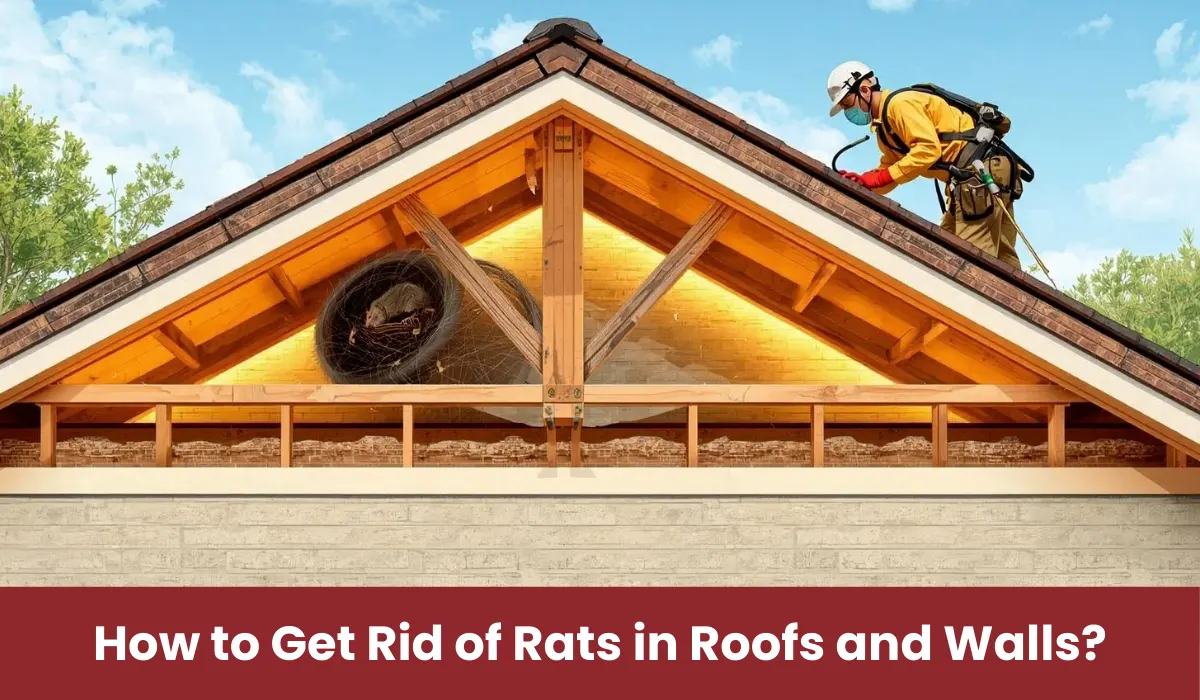
Once you understand where the rats are entering and nesting, you can follow a structured plan that gives the best chance of success and aligns with proven rat control Australia approaches used by professional technicians. A combination of inspection, sealing and trapping usually works best.
Step by Step Removal Method
- Inspect thoroughly:
Use a bright torch to check the entire roof space, beams and corners carefully, looking for movement, droppings or damage. - Locate entry points:
Search for holes or small gaps around pipes, vents or cables that allow rats to enter the roof or wall spaces. - Seal openings temporarily:
Block smaller holes with steel wool or metal mesh, but make sure you do not accidentally trap rats inside. - Place snap traps or live traps:
Set traps along walls, corners and common rat runways to increase your chances of catching them effectively each night. - Use enclosed bait stations:
Choose locked, enclosed bait stations when using rodenticide, especially important for homes with children or household pets around. - Add deterrents:
Put peppermint oil soaked cotton balls in different roof areas to discourage rats and make the environment uncomfortable for them. - Remove nesting materials:
Take out shredded insulation, cardboard or soft nesting items from the roof space to reduce comfortable hiding spots for rats. - Check and reset traps daily:
Inspect every trap each day, remove caught rats, replace bait and reset traps until there is no more activity.
Professional pest controllers complete these tasks faster, but a well planned DIY method can still work for smaller infestations. If infestation signs continue despite these steps, review expert guidance like DIY vs Professional Pest Control – What’s More Effective?.
Why Roof and Wall Rats Are Especially Problematic in Australia?
Australian houses often have timber frames, tiled roofs and older ventilation gaps, which makes the task of rat removal in roof areas more complicated than people expect. Many homes, especially in coastal or leafy suburbs, also have trees and garden vegetation that give rats easy access to upper levels.
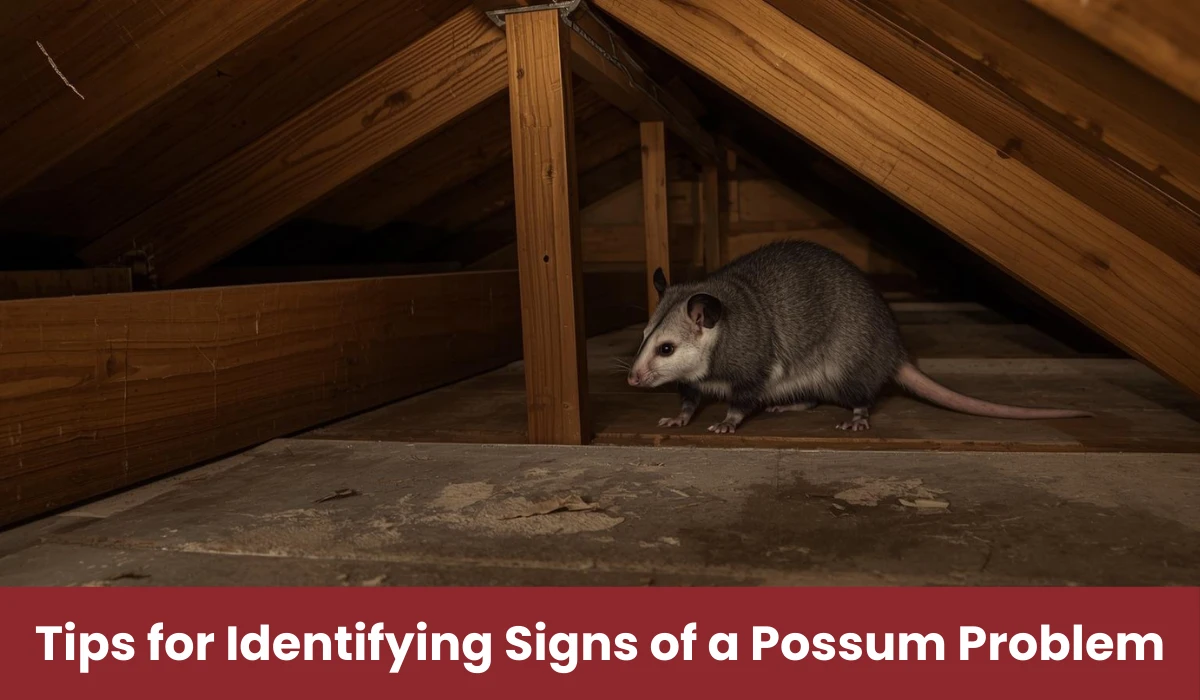
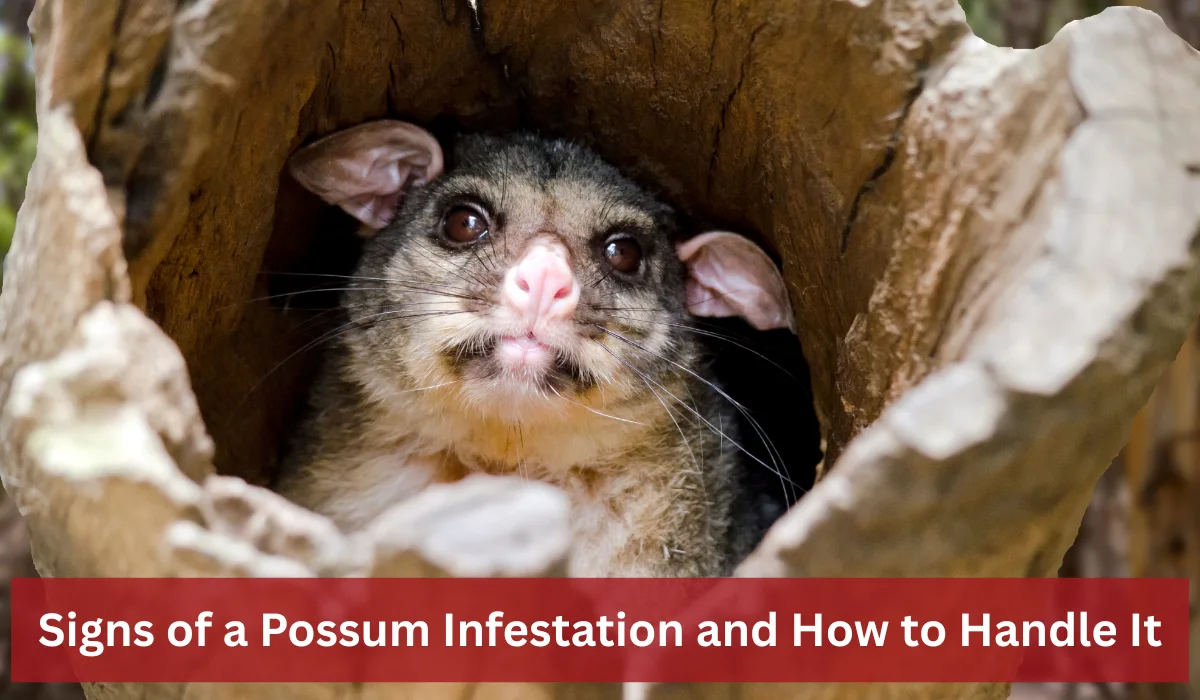
Rats in Australia commonly chew electrical wiring, which can lead to fire hazards. They also contaminate insulation with droppings and urine, creating unpleasant smells and long term damage. In some cases, homeowners confuse possum noises with rats, so correct identification is important before starting treatment — see Signs of a Possum Problem to compare symptoms.
Homes built before modern standards often have wider gaps around eaves, loose roof tiles or ageing brickwork that make access even easier. This is why inspections and sealing are essential after the infestation is removed. If you notice strong odours, this may indicate a deceased rodent; refer to How to Get Rid of the Smell of a Dead Rat in Your House.
How to Stop Rats Returning in the Future?
Stopping rats is not just about catching the current ones. Long term prevention ensures your home does not experience recurring rats in walls Australia problems that often return when entry gaps or food sources are still available.
Long Term Prevention Checklist
- Install metal mesh on vents, weep holes and roof gaps
- Keep all bins closed with tight fitting lids
- Remove fallen fruit or excess garden waste
- Trim trees at least two metres away from the house
- Keep gutters clean and free from leaf buildup
- Seal new cracks during seasonal home maintenance
- Remove bird food and outdoor pet food overnight
- Replace contaminated insulation if needed
Rats return quickly if the conditions suit them, but consistent maintenance prevents most reinfestations. For broader prevention advice, see Winter Pest Prevention Checklist.
When It’s Best to Call a Professional?
DIY methods can help, but if noises continue for days or you find multiple nests, you may need an expert who understands exactly how to get rid of roof rats inside tight or unsafe roof spaces. Professionals have tools and training that make removal faster and more reliable.
Pest controllers can:
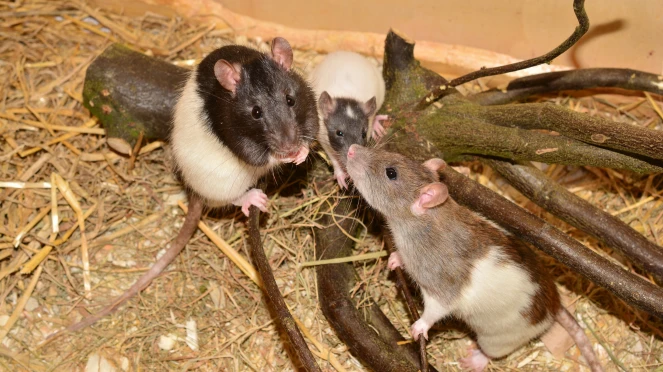
- Identify the rat species
- Use commercial grade traps and baiting systems
- Access wall cavities and roof voids safely
- Seal entry points more effectively
- Provide warranties and follow up visits
Professional help is especially useful if you have pets, children, electrical hazards or large multi storey homes with complex roof structures. If the issue escalates, review indicators in Signs You Need Professional Pest Control in Australia.
Important Details Most People Are Never Told
Many guides explain the basics, but they often skip deeper insights that help homeowners detect and prevent long term rat infestation signs in parts of the home that are usually overlooked.
Here are crucial points people miss:
- Rats often move between levels using interior wall cavities
- Multiple nests may exist even if you only hear activity in one place
- Contaminated insulation can attract new rodents
- HVAC ducts can carry smells through the home
- Motion sensors or roof cameras help monitor reinfestation
- Bushland or water nearby increases long term risk
- Sealing must match your home’s building material and climate
Knowing these extra details helps protect your home permanently.
Conclusion
Rats in your roof or walls can quickly turn from a small annoyance into a serious problem, but taking action early makes all the difference. Understanding how rat removal in roof spaces actually works helps you protect your home from damage, noise and constant stress. If you have tried the basics and the scratching or chewing still continues, it is time to bring in professionals who deal with this every day. True Pest Control offers safe, thorough and long lasting solutions tailored to Australian homes. We find the entry points, remove the rats and make sure they do not come back. For fast, reliable help, call True Pest Control on 0480022718 and get your home back under control.