Quick answer: To get rid of magpies humanely, remove easy food, protect fruit and vegetable areas with netting, and use a mix of reflective objects, varied sounds, and decoys that you move often. The aim is to deter them, never to harm them or disturb a nest.
7 humane ways to deter magpies:
- Secure food sources and stop feeding them.
- Cover fruit trees and vegetable patches with netting.
- Hang reflective objects such as old CDs or scare tape near garden beds.
- Use varied sounds, such as wind chimes, to startle them.
- Move decoys like fake owls regularly.
- Mesh over eaves and ledges before nesting starts, and trim trees outside breeding season.
- Work with your neighbours so food is not available on the street.
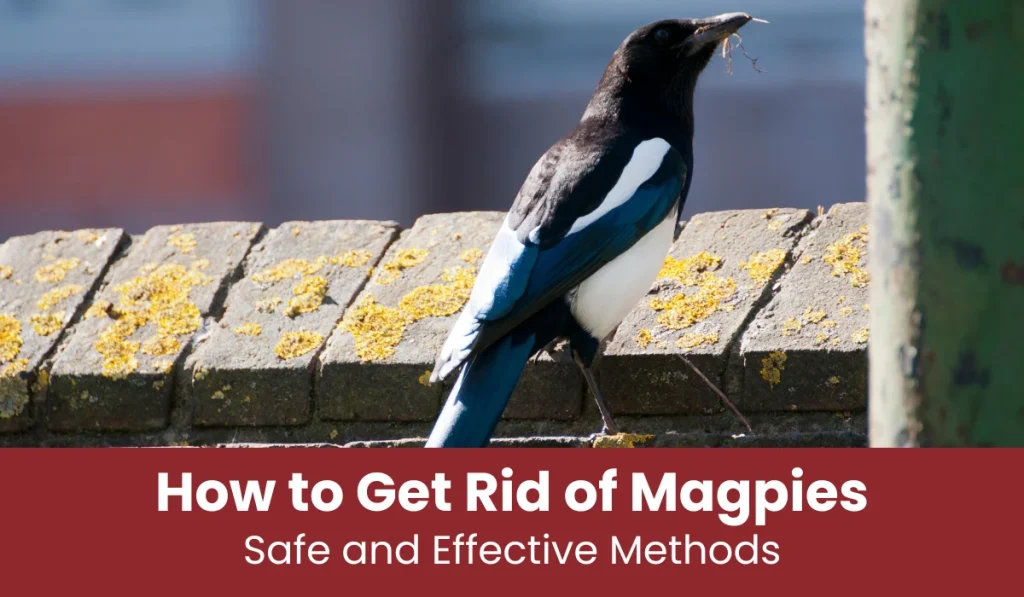
Magpies are clever, and once they find food in your garden or around your house they tend to keep coming back. Many people search for how to get rid of magpies, but the goal is to make your property less appealing rather than to remove the birds. This guide covers garden and house deterrents, what scares magpies, whether repellents work, how to stay safe during swooping season, and when to get professional advice.
In this guide:
- Why are magpies coming into your yard?
- How to get rid of magpies from your garden and yard
- How to get rid of magpies around your house
- What scares magpies away?
- Magpie repellents and deterrents
- How to stay safe during swooping season
- Magpie pest control: when to get professional advice
- Magpie FAQs
Why Are Magpies Coming Into Your Yard?
Before choosing a deterrent, it helps to understand what is drawing them in.
Easy Food and Water
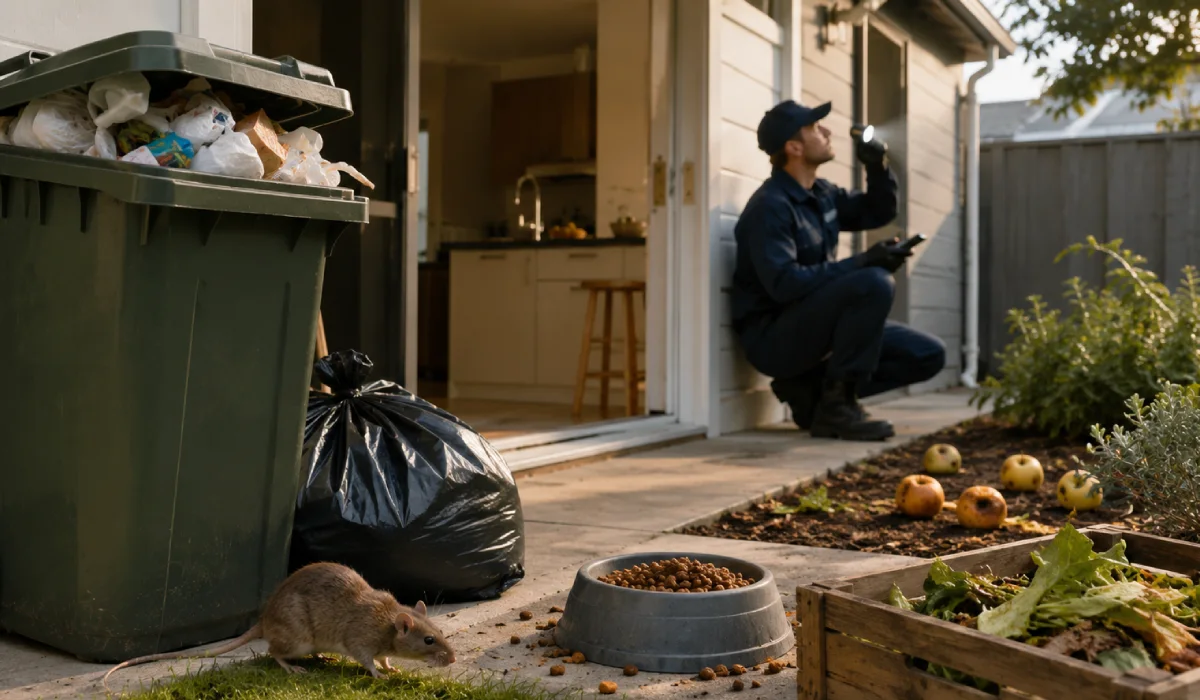
Magpies are opportunistic feeders. If they find pet food, scraps, birdseed, or accessible bins, they return repeatedly. Open water sources can also keep them visiting.
Nesting Sites
Magpies often nest in tall trees and dense shrubs, and sometimes on rooftops or other structures. Knowing where a nest is helps you plan safer routes and avoid the area while birds are breeding.
Breeding Season and Swooping
Swooping is linked to breeding and usually runs from late winter through spring, although timing varies across Australia. Only male magpies swoop, and they usually do so within roughly 30 to 50 metres of the nest. The behaviour is temporary, and not every magpie swoops.
How to Get Rid of Magpies From Your Garden and Yard
Results vary, and magpies can get used to any single method, so combine several. Use deterrents around food and garden areas only, and never aim them at an active nest.
1. Secure Food Sources
- Keep pet food indoors to avoid attracting scavenging birds.
- Use sealed bins for waste and compost to prevent easy access to food scraps.
- Avoid leaving birdseed or food scraps in open spaces.
- Do not feed magpies. It encourages them to return and can make them bolder around people.
2. Protect Fruit Trees and Vegetable Patches With Netting
- Use bird netting over fruit trees and vegetable patches.
- Cover chicken coops and aviaries so birds cannot reach the feed.
- Fit netting tightly and check it regularly to avoid entanglement and harm to other animals.
Netting is a practical way to protect your property physically. For more humane options, see our guide to eco-friendly pest control.
3. Use Reflective Objects
Some people find that bright, flashing reflections help keep birds away from a specific area:
- Hang old CDs or aluminium foil strips near fruit trees or garden beds.
- Install reflective tape or Mylar strips in your garden.
- Keep them away from trees and structures where birds are nesting.
4. Use Varied Sounds
Sudden or unfamiliar noises can startle magpies, but they usually adapt quickly. Change the sound and its position regularly, and use wind chimes or other varied sounds near food and garden areas.
5. Move Decoys Often
Fake owls or predator models help some property owners, but magpies quickly learn they are not real. Move them often and combine them with other methods.
6. Manage Trees, Eaves and Ledges
- Trim large trees and dense shrubs outside the breeding season to reduce sheltered nesting spots, making sure no active nest is disturbed.
- Consider mesh over roof eaves and ledges before the season begins, provided no nest is already present.
- Do not remove or interfere with a nest that has eggs or young. This is not permitted without authorisation, and birds that lose a nest may nest again, which can extend the breeding season.
7. Work With Your Neighbours
Let neighbours know where nests and swooping have been seen so they can take precautions. Feeding by one household can attract birds to the whole street, so a shared approach works well.
How to Get Rid of Magpies Around Your House
If magpies are landing on your patio, balcony, fence, or roof, the cause is almost always food or a good perch. These steps help keep them away from the house:
- Bring pet bowls inside and clean up crumbs and scraps from outdoor dining areas.
- Keep bin lids closed and compost covered.
- Hang reflective objects or scare tape from balcony rails and fences where birds perch.
- Fit mesh over eaves and ledges before nesting begins, and only if no nest is present.
- Stop anyone in the household from feeding them, because feeding teaches magpies your house is a reliable stop.
What If a Magpie Gets Inside the House?
- Stay calm and do not chase or grab the bird.
- Open doors and windows that lead outside, and close doors to other rooms.
- Draw curtains on other windows and dim the lights so the open exit is the brightest point.
- Give it time to leave. If it is injured or stays put, contact a local animal rescue group or shelter.
What Scares Magpies Away?
Magpies are wary of sudden movement, unfamiliar objects, flashing reflections, and changing sounds. They are also intelligent, so anything that stays the same soon stops working. Vary what you use, move it regularly, and combine methods.
What Noises Scare Magpies?
Sudden, unfamiliar sounds such as wind chimes or clapping can startle them. Loud music or recorded calls may work briefly, but magpies adapt. Keep noise away from nests, because repeatedly disturbing nesting birds is not appropriate.
What Smells Do Magpies Hate?
Strong scents such as peppermint oil are often suggested online, but there is no reliable evidence that any smell keeps magpies away. If you try one around garden beds, treat it as a short-term experiment and do not rely on it. Removing food is far more effective.
Magpie Repellents and Deterrents: Do They Work?
Garden and hardware stores such as Bunnings stock items like bird netting and reflective scare tape. Choose items designed to deter birds, and avoid anything that traps or injures them. The table shows what each method is suited to and where it falls short.
| Method | Suited to | Limitations |
|---|---|---|
| Food control | Long-term prevention | Needs consistent habits across the household |
| Netting | Fruit trees, vegetable patches, coops | Must be fitted tightly and checked regularly |
| Reflective objects and scare tape | Small garden areas, balcony rails | Birds may get used to them |
| Sound deterrents | Short-term startle near food areas | Birds adapt quickly, and results are inconsistent |
| Decoys | Occasional visits | Must be moved often |
| Scent repellents | Short trials around garden beds | No reliable evidence they work |
How to Stay Safe During Magpie Swooping Season
Magpie attacks can be intimidating, but these steps reduce your risk without harming the birds:
- Avoid the area: If possible, take a different route, and check for council signs or local swooping maps in your area.
- Protect your head and eyes: A wide-brimmed hat, sunglasses, and a bike helmet can help shield against swooping. Holding an umbrella above your head can also help.
- Keep looking at the bird: Magpies tend to attack from behind, and some are less likely to swoop while you are watching them.
- Walk, don’t run: Move calmly through the area, because running can encourage the bird to keep swooping. Cyclists should dismount and walk.
- Travel in groups: Magpies are less likely to swoop when several people are together.
- Do not provoke the bird: Do not shout, throw things, or try to hurt it. Harassing or injuring native birds is not permitted and can carry serious penalties.
If a magpie is swooping in a high-risk location, contact your local council, which can place warning signs on council land.
Magpie Pest Control: When to Get Professional Advice
If magpies are causing ongoing disturbance or posing a safety risk, professional advice on your property can help. We do not remove or relocate magpies, but we can assess food sources and access points and suggest humane property-proofing options for your home. For wider pest control in Melbourne, see our pest control Melbourne service page.
For more on choosing the right approach, read DIY vs Professional Pest Control – What’s More Effective? and Signs You Need Professional Pest Control in Australia. If a dead magpie or other animal is found on your property, our dead animal removal service in Melbourne can help with safe cleanup.
Key Takeaways
The goal is to deter magpies humanely, not to harm them. Securing food sources, protecting fruit and vegetables with netting, and mixing reflective objects, varied sounds, and moving decoys can make a real difference. If magpies remain a persistent problem at your property, get advice on humane options suited to your home.
For property advice, contact True Pest Control on 0480 022 718.
Magpie FAQs
Why do magpies keep coming back?
Magpies return if they find food, water, or shelter. To discourage visits, remove pet food, cover bins, and limit accessible food sources.
What scares magpies away?
Sudden movement, flashing reflections, unfamiliar objects, and changing sounds can startle them. Magpies adapt quickly, so vary what you use, move it often, and combine methods.
What smells do magpies hate?
Strong scents such as peppermint oil are often suggested, but there is no reliable evidence that smell keeps magpies away. Removing food is more effective.
Do fake owls or hawks work?
Sometimes, but magpies learn quickly. Move decoys often so they do not become familiar, and combine them with other methods.
How do I keep magpies out of my garden?
Remove food sources, cover fruit trees and vegetable patches with netting, and use reflective objects and varied sounds near garden beds. Do not aim deterrents at an active nest.
What should I do if a magpie gets inside my house?
Stay calm, open doors and windows that lead outside, close doors to other rooms, and dim the lights so the exit is the brightest point. Do not chase or grab the bird.
Can I kill or relocate a magpie?
No. Harming, killing, or relocating magpies is not permitted without proper authorisation. Use humane deterrents and protective measures, and contact your local council if a bird is a genuine risk.
Can I remove a magpie nest?
Not while it holds eggs or young. Interfering with an active nest is not permitted without authorisation, so contact your local council before you touch it.
Why do magpies swoop at some people, and what helps?
Magpies can recognise individual faces, so a person they see as a threat may be targeted repeatedly. Avoid the nesting area if you can, protect your head, keep looking at the bird, and walk rather than run. Swooping normally stops soon after the young leave the nest.
Who removes a dead magpie from my property?
Avoid touching it with bare hands. Our dead animal removal service in Melbourne can arrange safe cleanup.
Related Pest Guides
- How to Get Rid of Rats in Roofs?
- How to Protect Your Property from a Pest’s Attack?
- Most Common Household Pests in Australia
True Pest Control – Professional, Humane Advice
Magpies swooping near your home? Get advice on humane options.
DIY deterrents only go so far. Our team can assess your property, explain your options, and recommend humane ways to protect your household.
✓ Same-day service available
✓ Humane, non-lethal approach