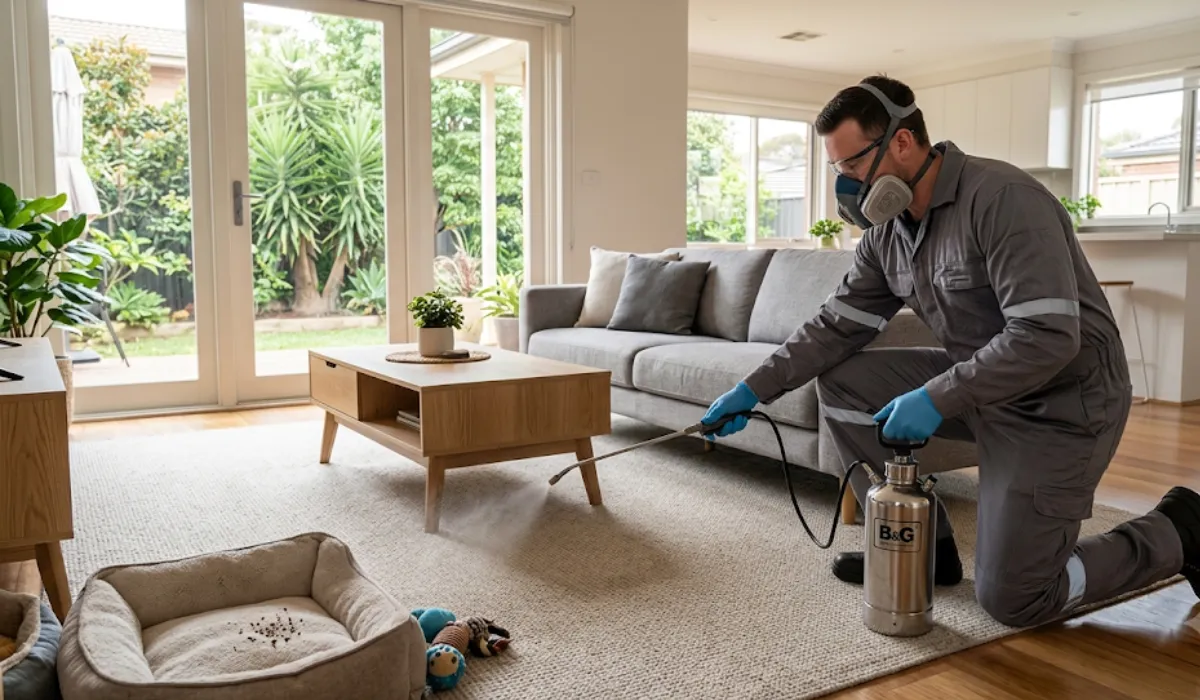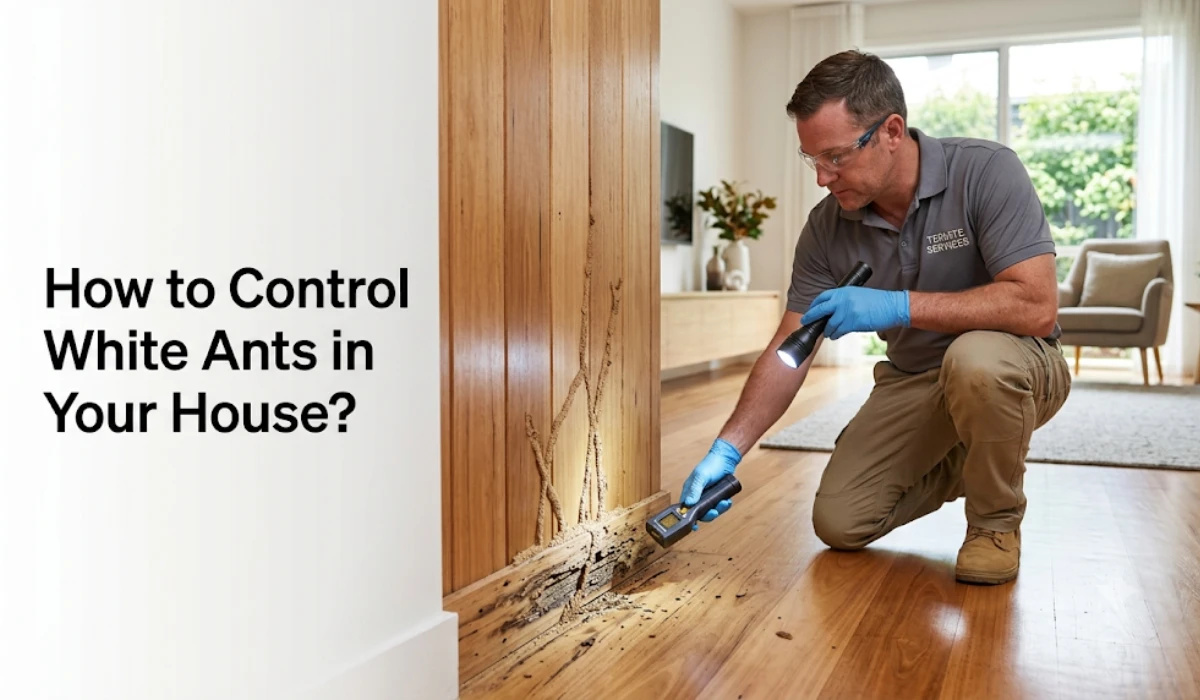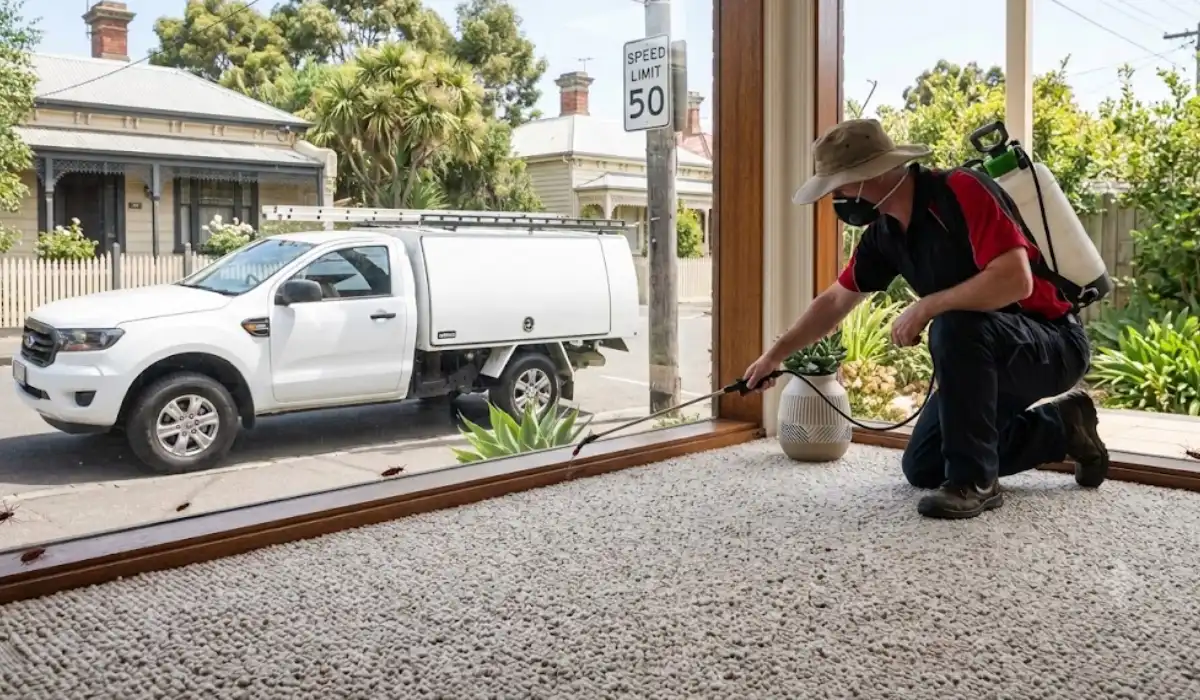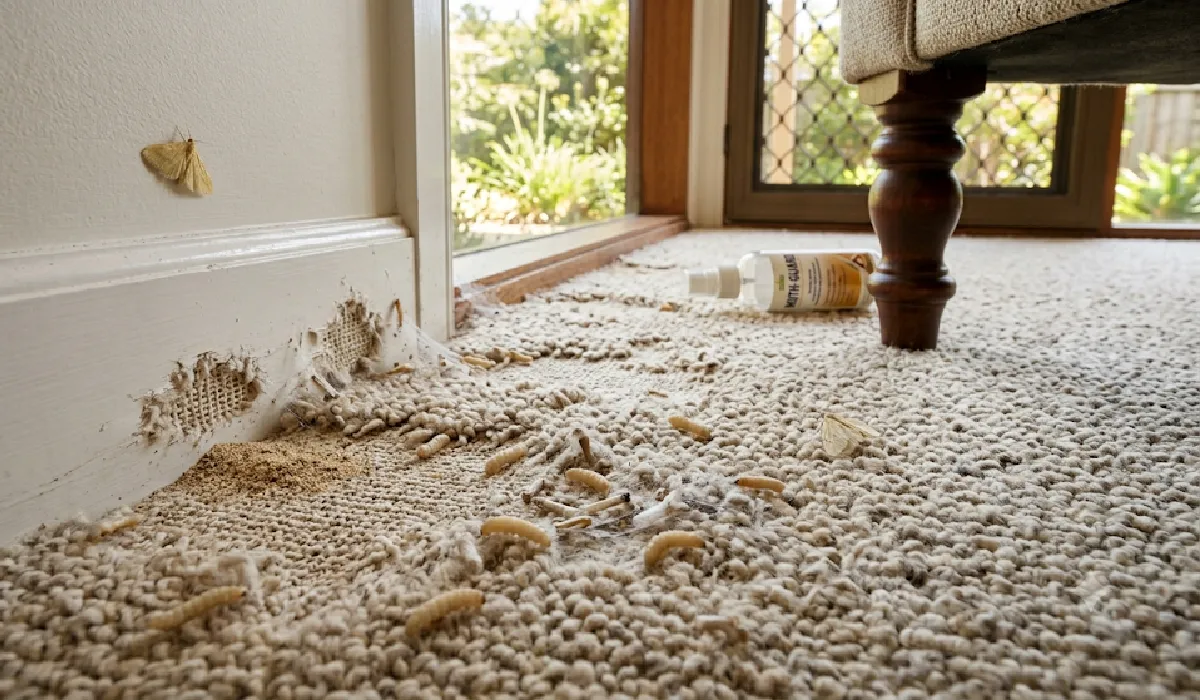
Most of us think of pests as a nuisance – something that scurries away when the lights come on, or buzzes annoyingly around the barbecue. But behind the irritation sits a more serious issue: many common Australian household pests carry genuine health risks. From food contamination to allergy triggers and, in some cases, disease transmission, understanding these risks is the first step toward protecting your family.
This guide breaks down the health dangers linked to the pests most commonly found in Australian homes, who’s most at risk, and what you can do to reduce your exposure. If you’re noticing early signs of an infestation, our guide on 10 signs your home has a hidden pest infestation is a useful place to start before diving into the detail below.
Why Household Pests Are More Than Just a Nuisance?
It’s easy to dismiss a cockroach sighting or a mouse dropping as a minor housekeeping issue. In reality, pests interact with our homes in ways that go well beyond appearance. They walk through waste, nest in wall cavities, and forage in kitchens – picking up and depositing bacteria, allergens, and parasites along the way.
The connection between pests and household health isn’t about scaremongering; it’s simply a matter of biology. Pests seek out food, warmth, and shelter, and Australian homes – particularly in warmer coastal regions – offer all three in abundance. Recognising the specific pest health risks Australia households face helps you make informed decisions about prevention and treatment, rather than reacting only once a problem is visible. For a broader overview of what typically moves in, see our article on the most common household pests in Australia.
How Pests Affect Human Health and Indoor Hygiene?
Pests can affect a household’s health and hygiene through several distinct pathways:
- Contamination – pests can transfer bacteria and pathogens onto food preparation surfaces and stored food.
- Allergens – shed skin, droppings, and saliva from pests such as cockroaches are known allergy and asthma triggers.
- Bites and stings – some pests bite or sting directly, causing irritation, swelling, or in rare cases, more significant reactions.
- Disease transmission – a small number of Australian pests, notably mosquitoes and ticks, can transmit disease-causing organisms.
Not every pest presents every risk, and the severity varies depending on the species, the extent of the infestation, and the individual’s health. The sections below cover each major pest category in turn.
Health Risks from Cockroaches
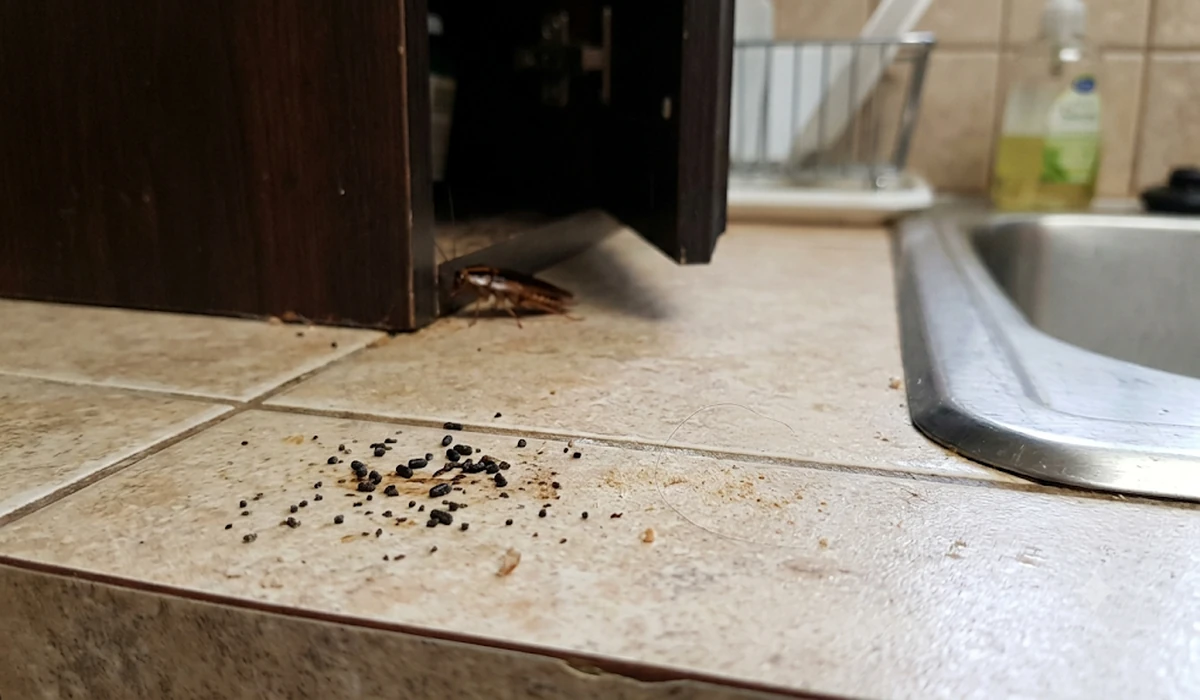
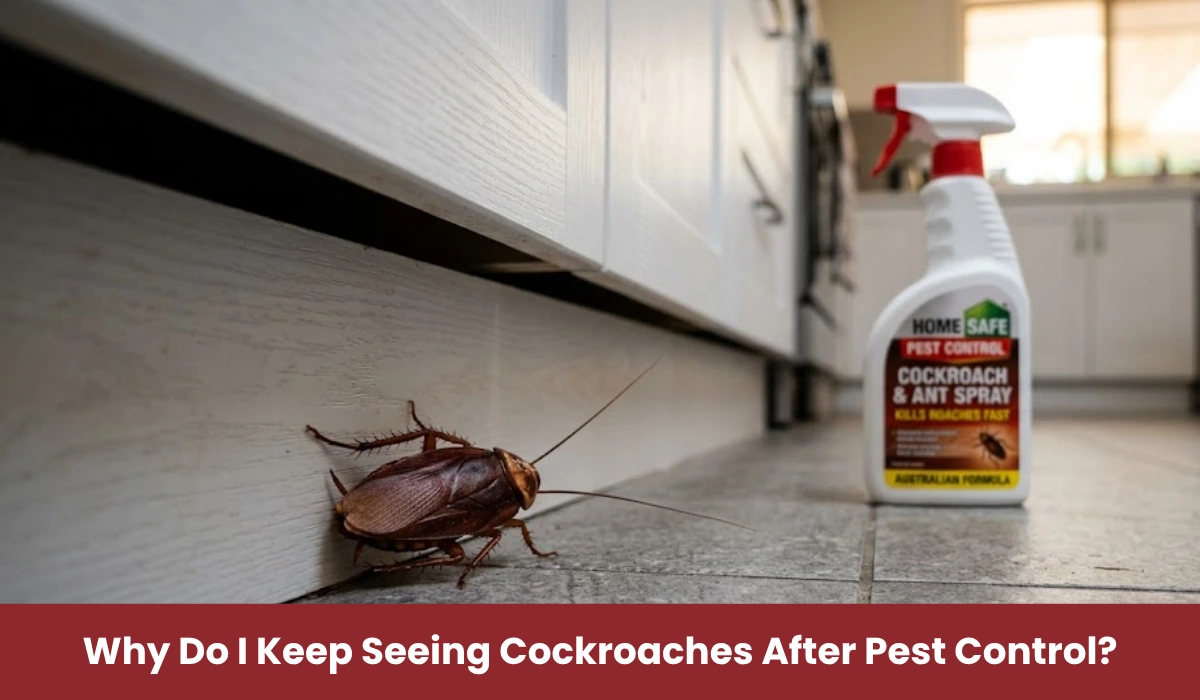
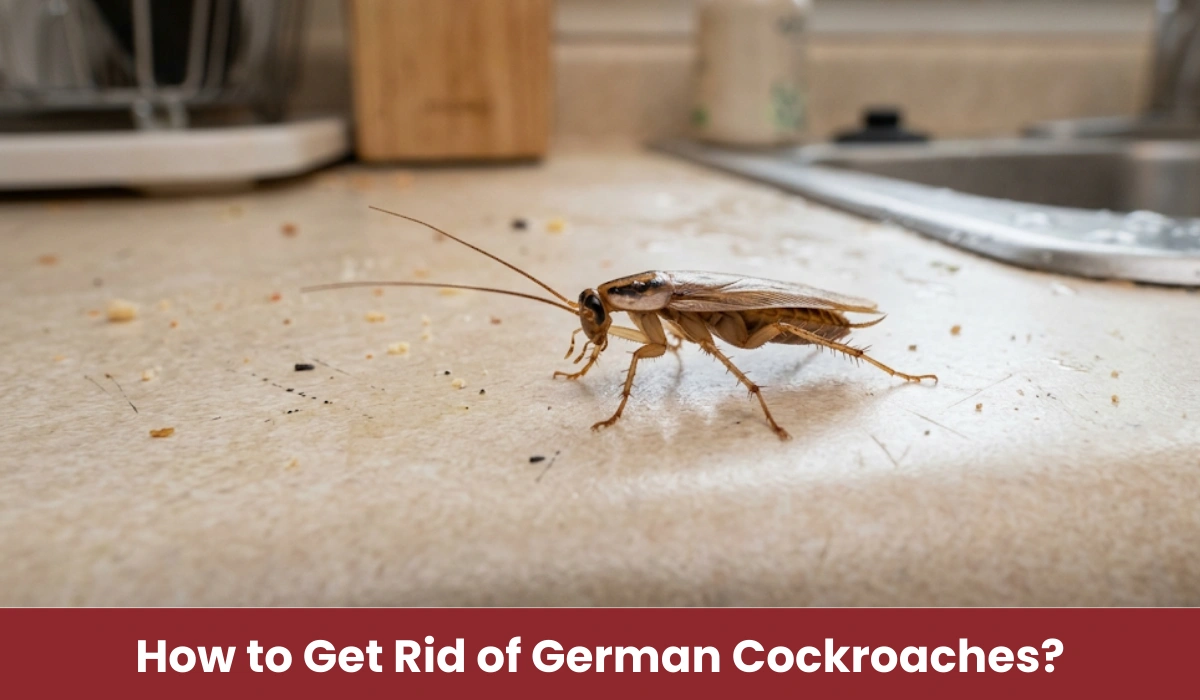
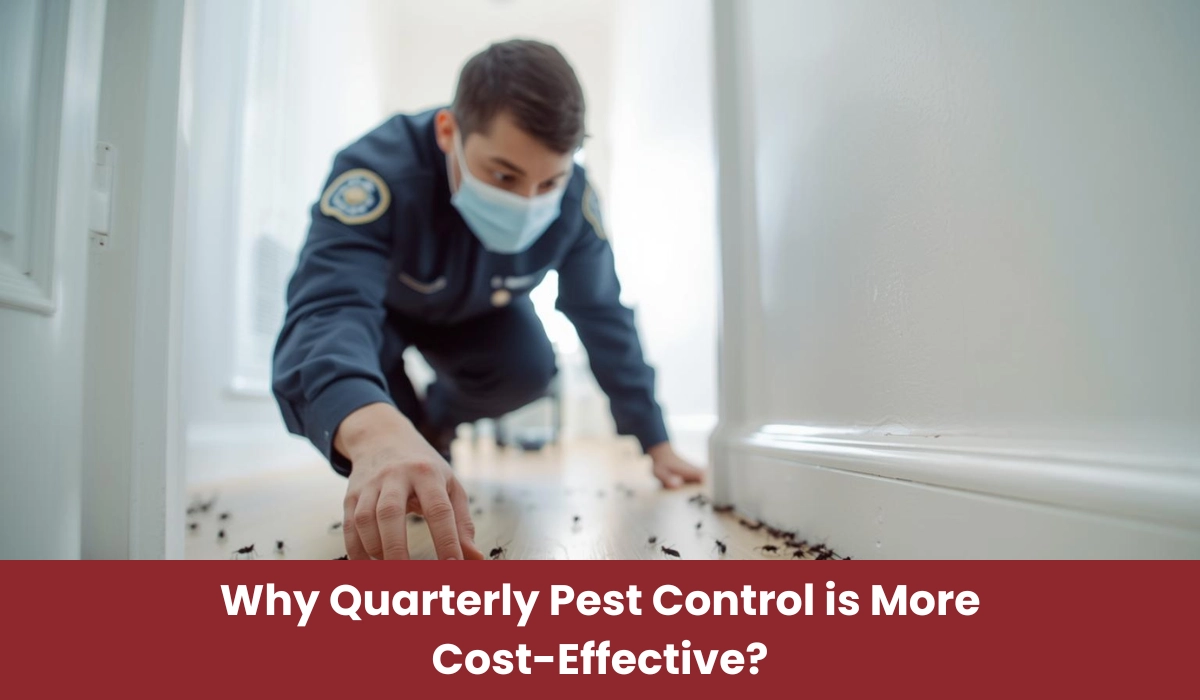
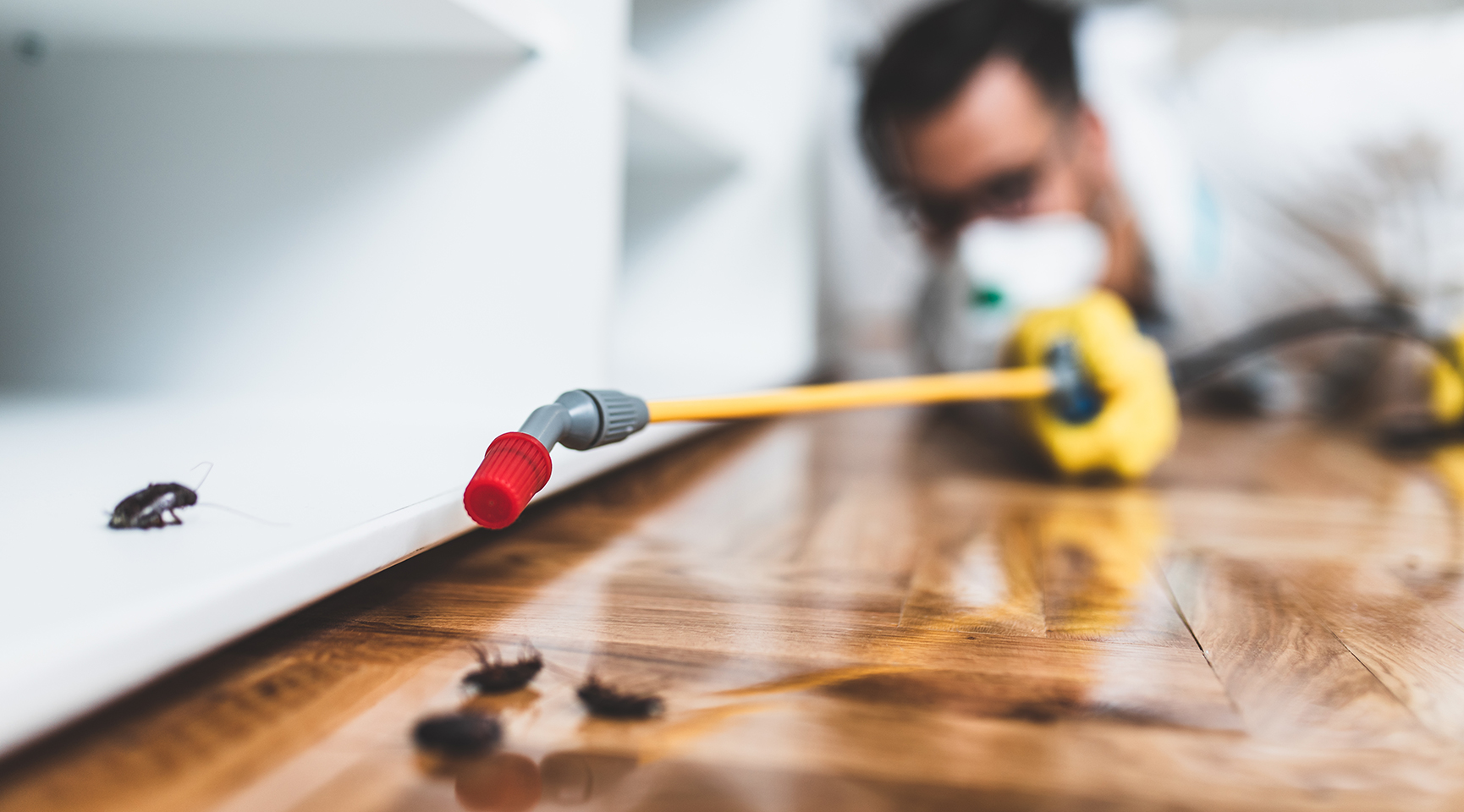
Cockroaches are among the most common pests linked to diseases caused by pests in Australian homes, largely because of how they move through a house. They travel through drains, waste bins, and other unsanitary areas before walking across kitchen benches and food storage areas.
Key health dangers cockroaches pose include:
- Food contamination – cockroaches can deposit bacteria such as Salmonella and E. coli onto food and surfaces they cross.
- Bacterial spread – their droppings and shed body parts can harbour bacteria capable of causing gastrointestinal upset.
- Allergies and asthma – proteins found in cockroach saliva, droppings, and shed skin are well-documented allergens, and exposure has been linked to worsened asthma symptoms, particularly in children.
Because cockroaches are nocturnal and skilled at hiding in wall cavities and behind appliances, an infestation can be well established before it’s visible. If you’re dealing with a persistent problem, our detailed article on common mistakes that invite pests into your home explains habits that often make cockroach issues worse.
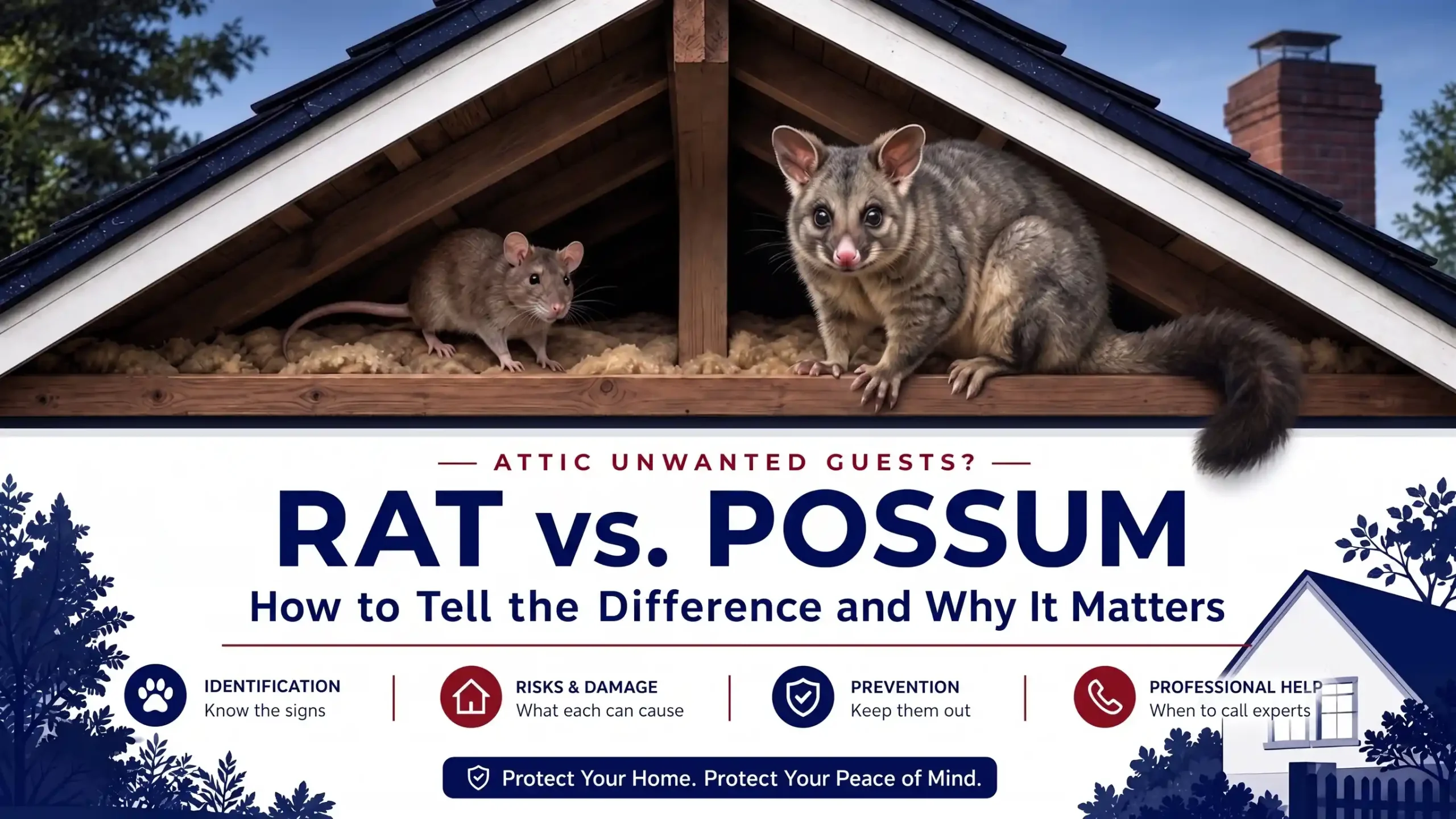
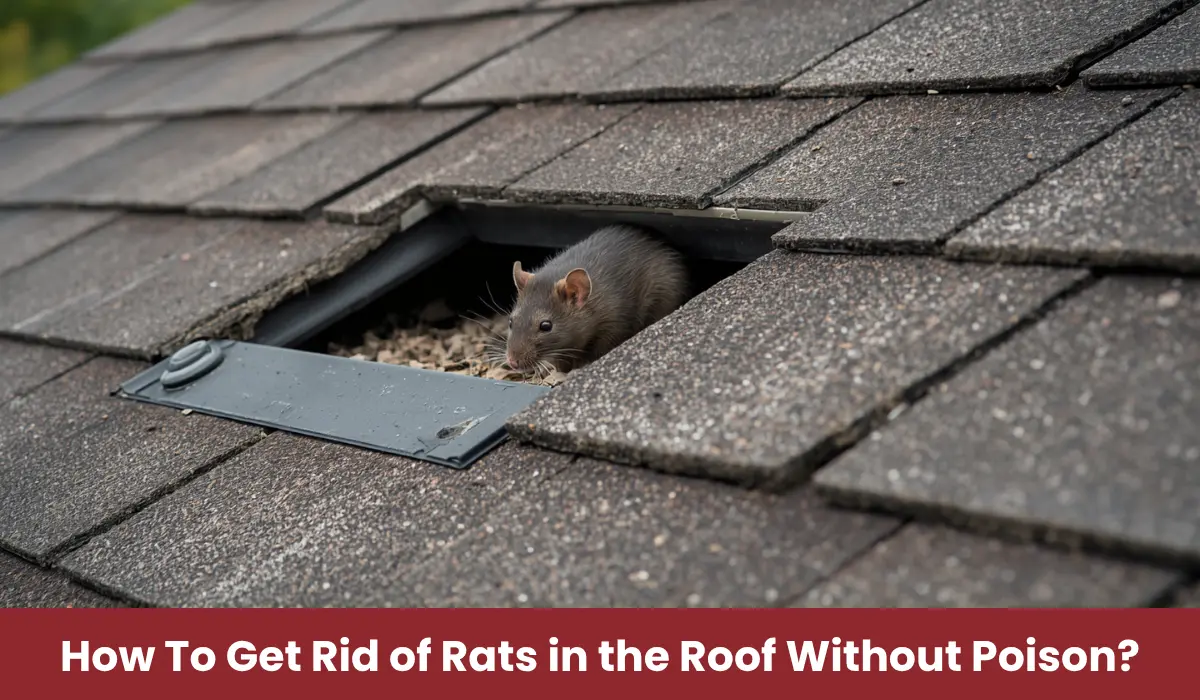
Health Risks from Rats and Mice
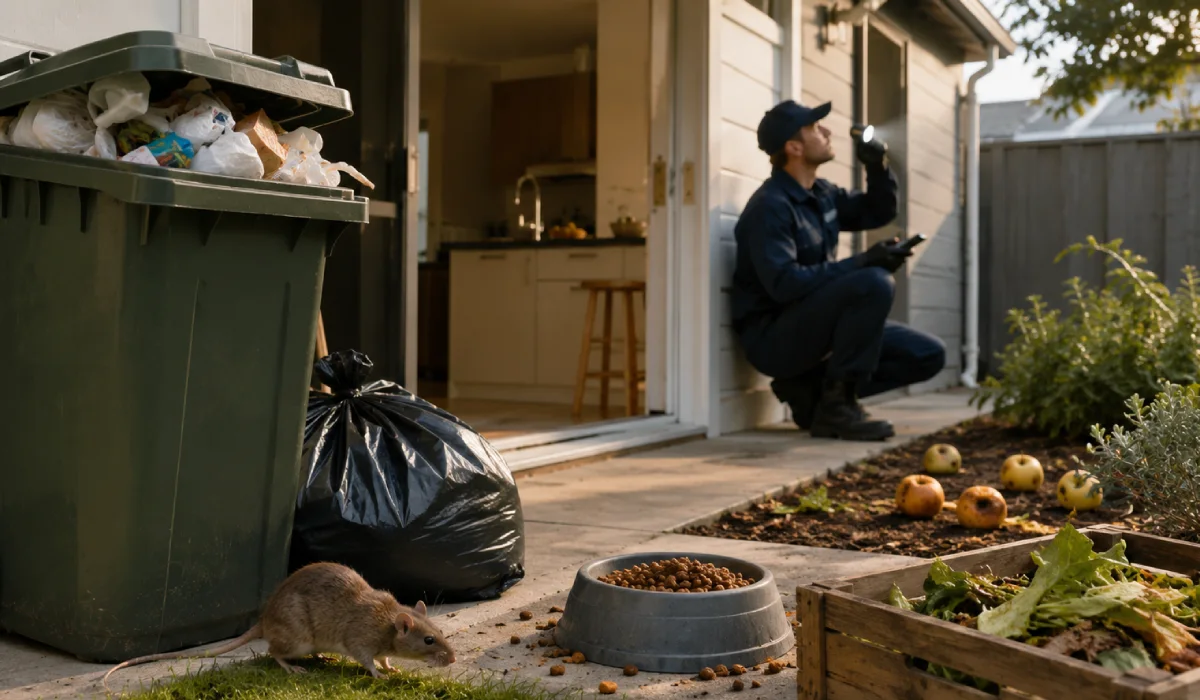
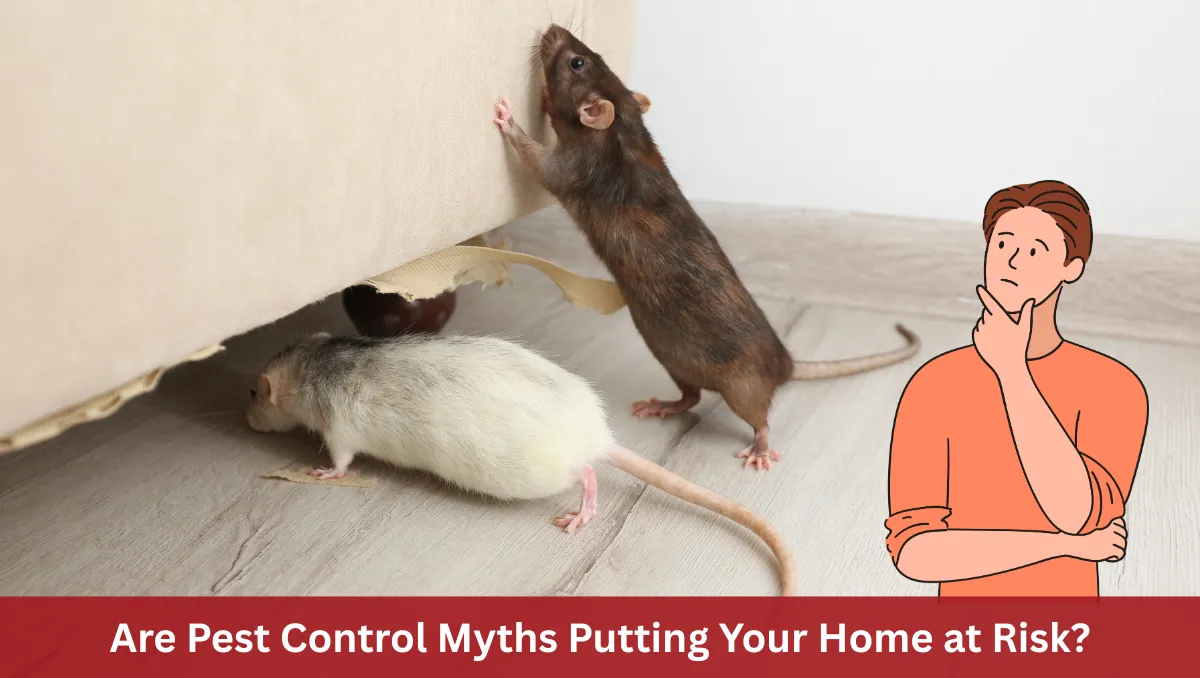
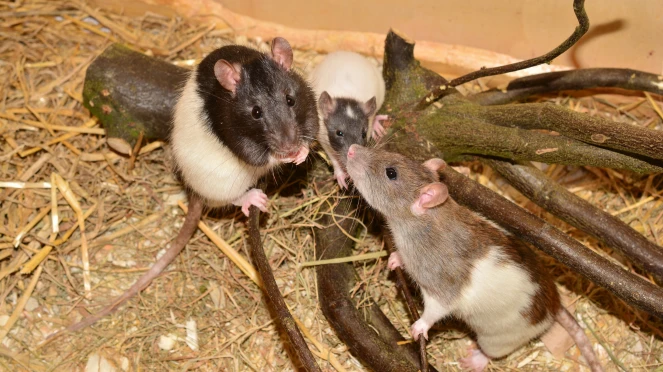
Rodents present some of the more serious health dangers rats pose to a household, both directly and indirectly.
- Contamination – rodent droppings and urine can contaminate food, food preparation surfaces, and stored pantry items.
- Parasites – rats and mice can carry fleas, mites, and ticks, which may then spread within the home.
- Property hazards – beyond health, rodents gnaw through electrical wiring, insulation, and structural materials, which can create fire risks and costly damage.
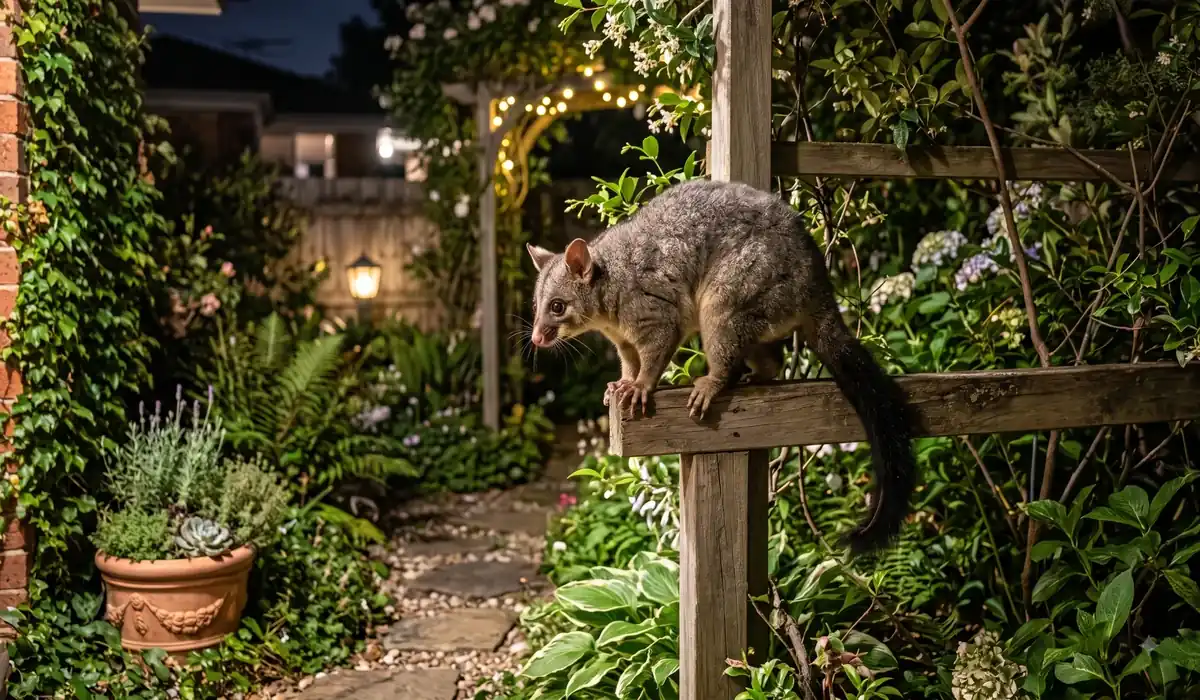
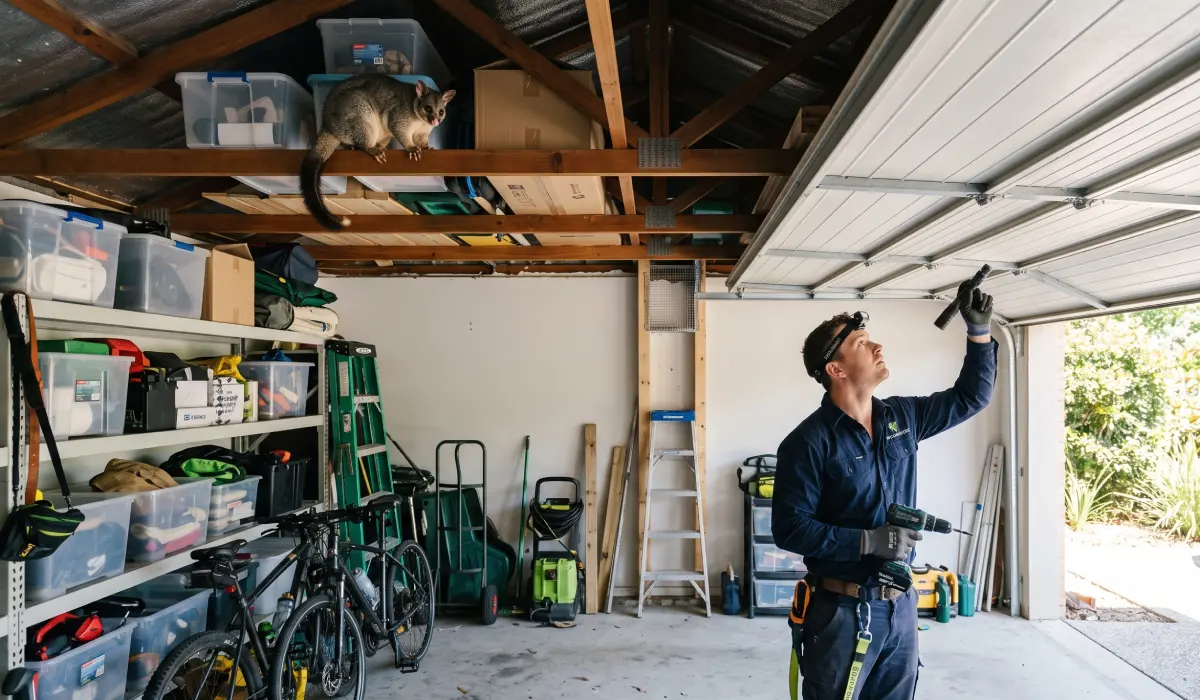
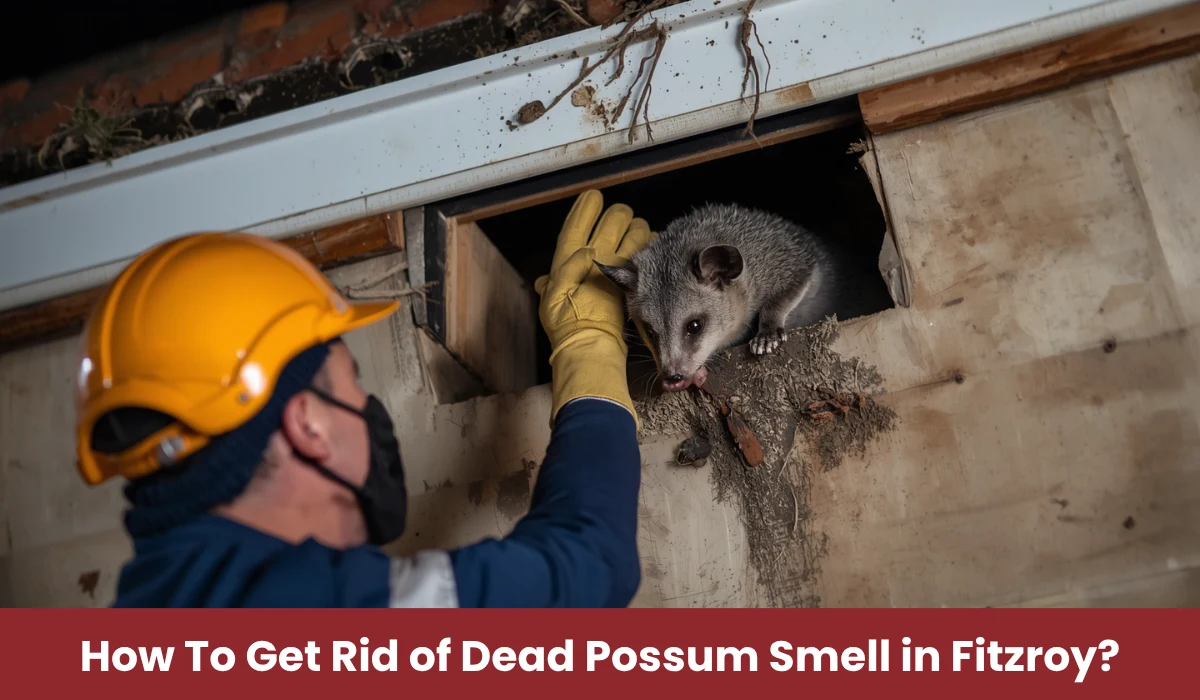
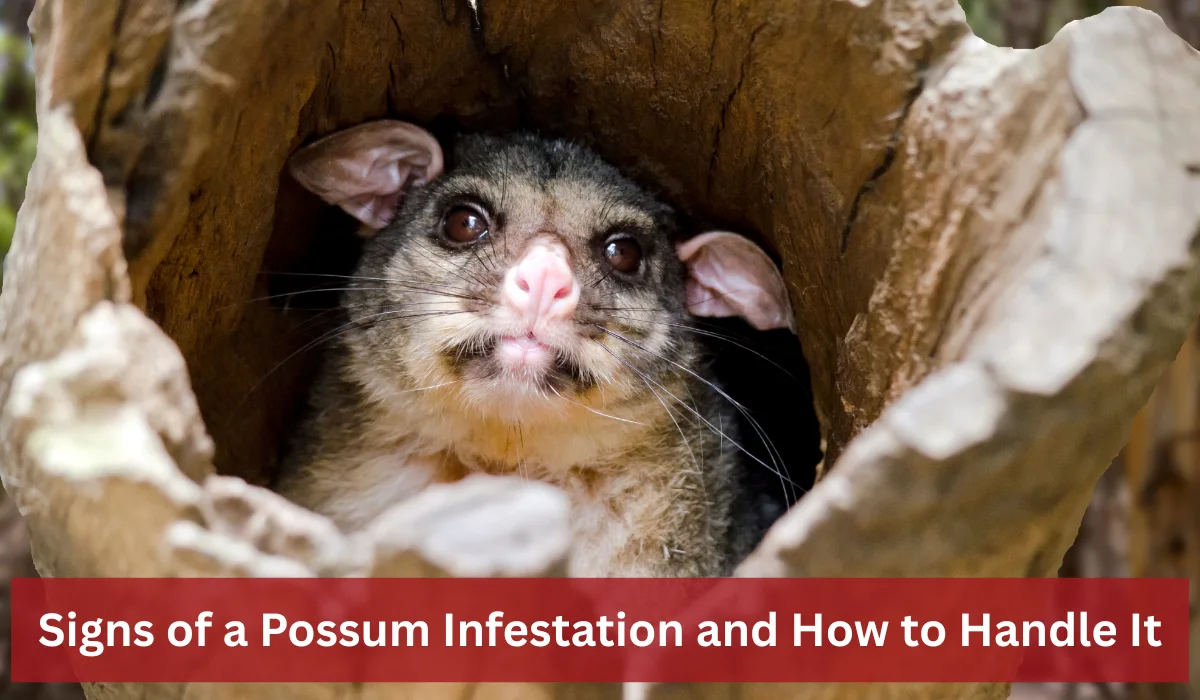
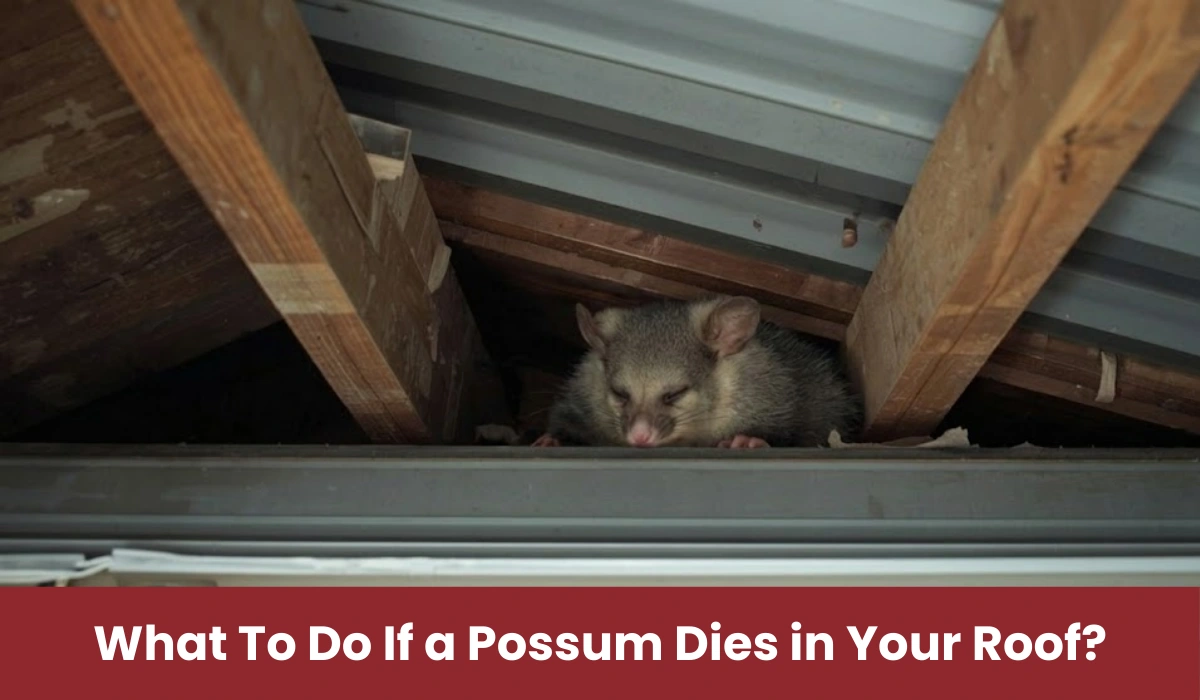
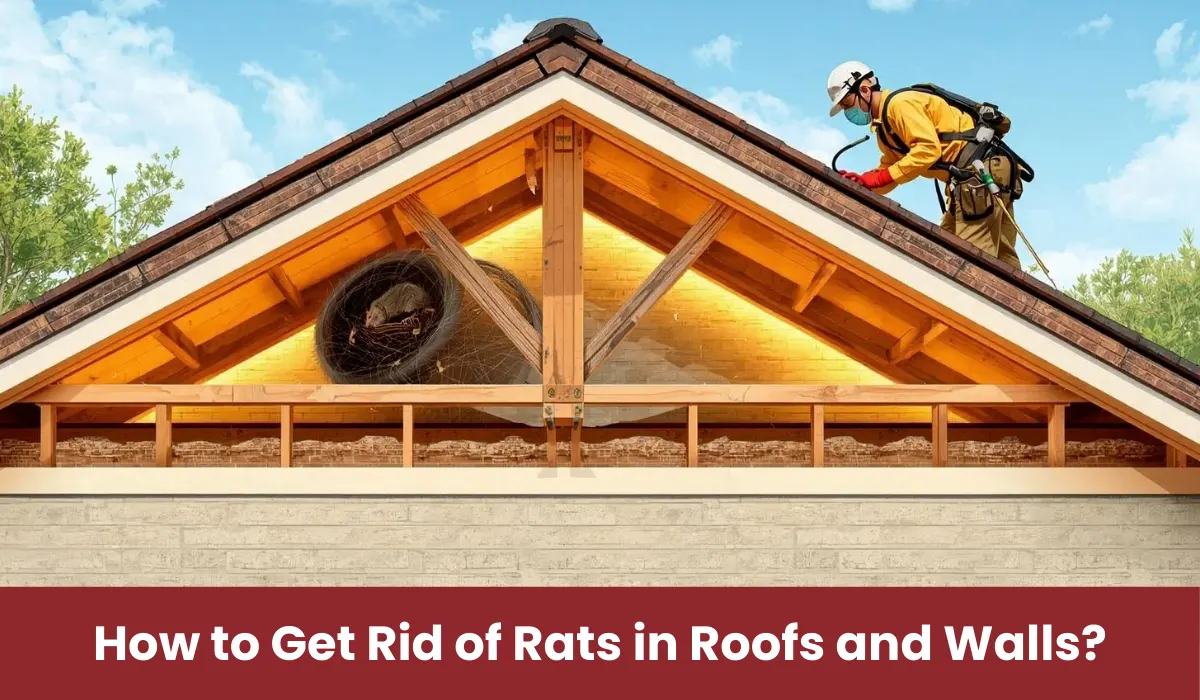
Because rodents breed quickly and often nest in roof cavities or wall spaces, early detection matters. Our 90-day plan for tackling dead animal removal Melbourne issues covers what to expect if rodents (or possums) have already died within your home’s structure.
Mosquito-Borne Diseases in Australia
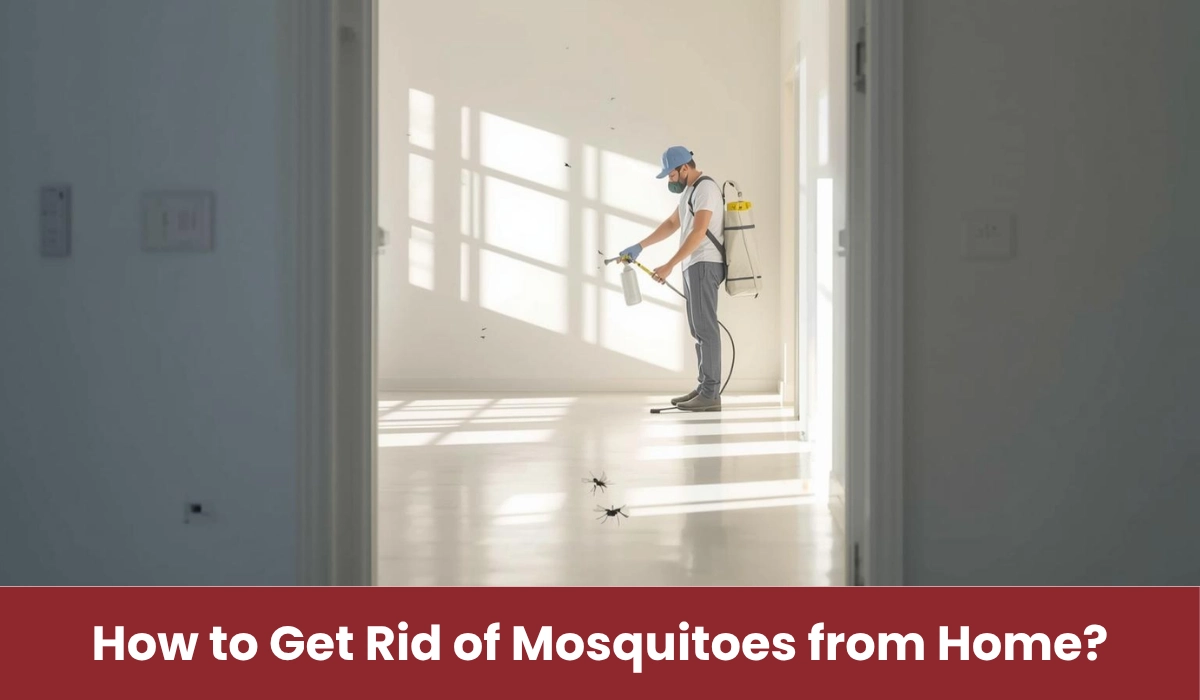
Of all the pests discussed here, mosquitoes carry the clearest disease transmission risk in Australia. Depending on the region and season, mosquitoes can transmit:
- Ross River virus – the most commonly reported mosquito-borne disease in Australia, causing joint pain, fatigue, and rash.
- Barmah Forest virus – with symptoms similar to Ross River virus.
- Dengue fever – primarily a risk in parts of northern Queensland where the relevant mosquito species is present.
Symptoms can range from mild to debilitating, and there is no specific antiviral treatment for most of these illnesses – management focuses on rest and symptom relief. Reducing standing water around the property (gutters, pot plant saucers, unused containers) is one of the most effective preventive steps available to homeowners.
Flies and Food Contamination Risks
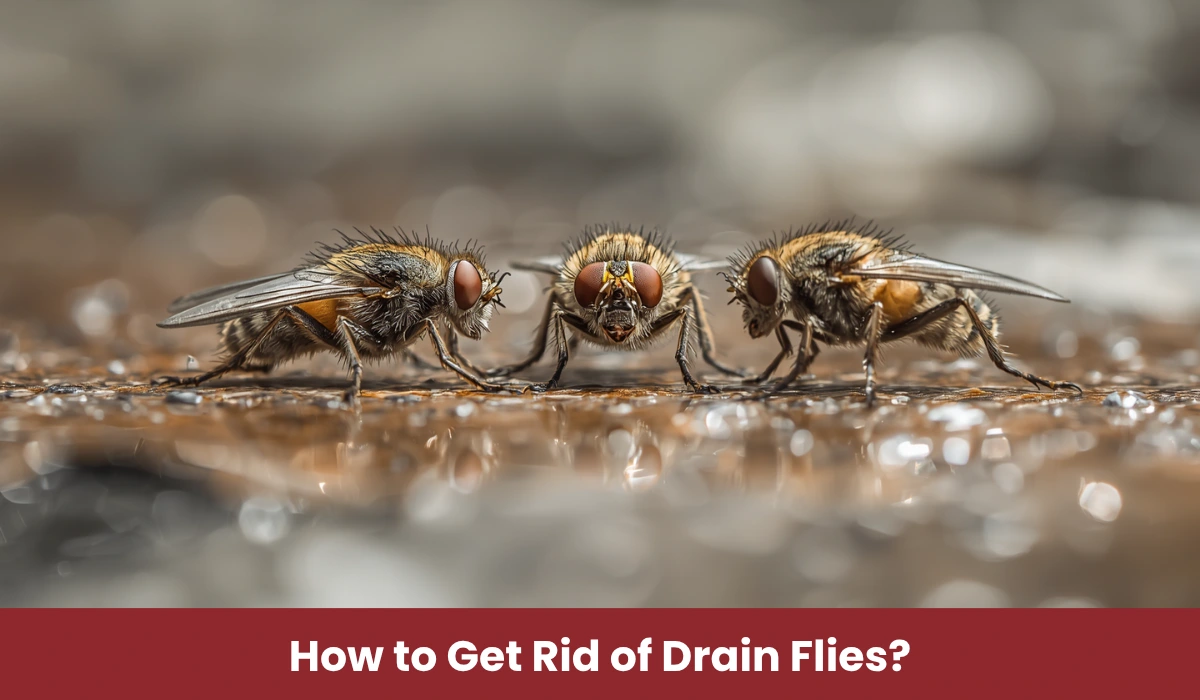
House flies are a classic warm-weather nuisance, but their health role is more significant than most people realise. Flies feed on decaying organic matter – including rubbish and animal waste – before landing on exposed food or kitchen surfaces, transferring bacteria in the process.
Common concerns include:
- Contamination of uncovered food, particularly during outdoor entertaining.
- Bacterial transfer onto benchtops, cutting boards, and utensils.
- Rapid breeding cycles, meaning a small fly problem can escalate quickly in warmer months.
Keeping food covered, bins sealed, and outdoor areas free of rotting organic waste goes a long way toward minimising fly-related risks.
Fleas, Ticks and Bed Bugs: Bites and Allergic Reactions
These three pests are grouped together because their primary health impact is through bites rather than contamination:
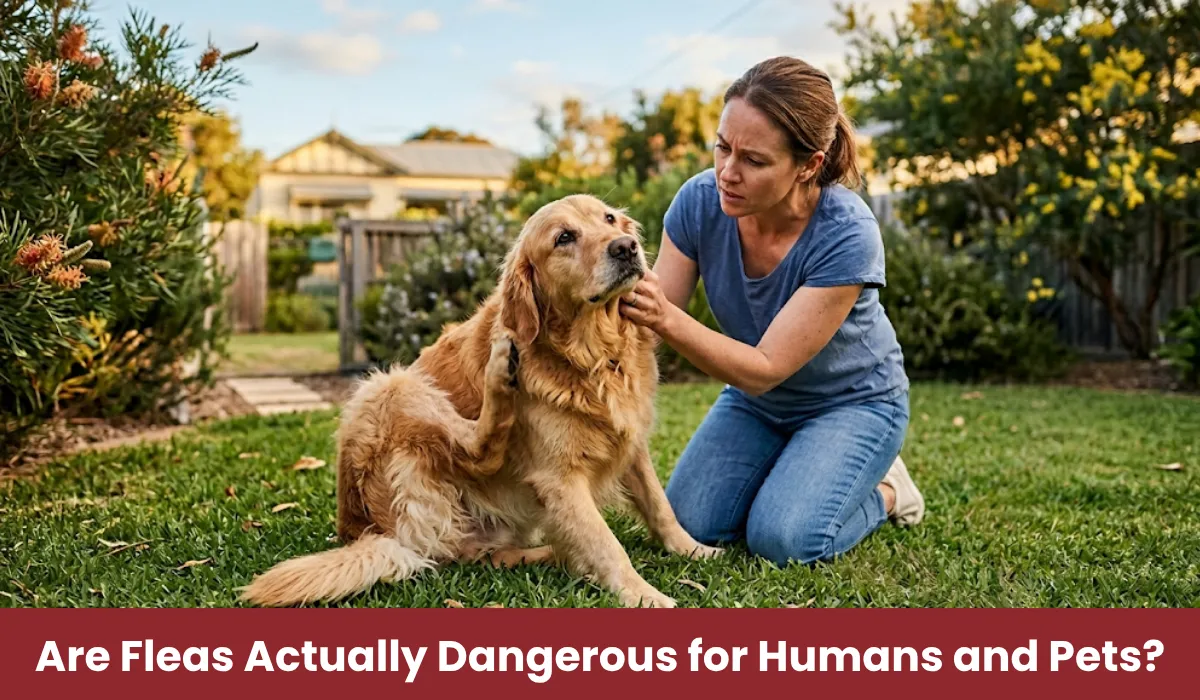
- Fleas – often introduced by pets, flea bites cause intense itching and, in sensitive individuals, an allergic skin reaction known as flea allergy dermatitis.
- Ticks – found particularly along Australia’s east coast, tick bites can cause localised swelling and, in rare cases, more significant allergic responses.
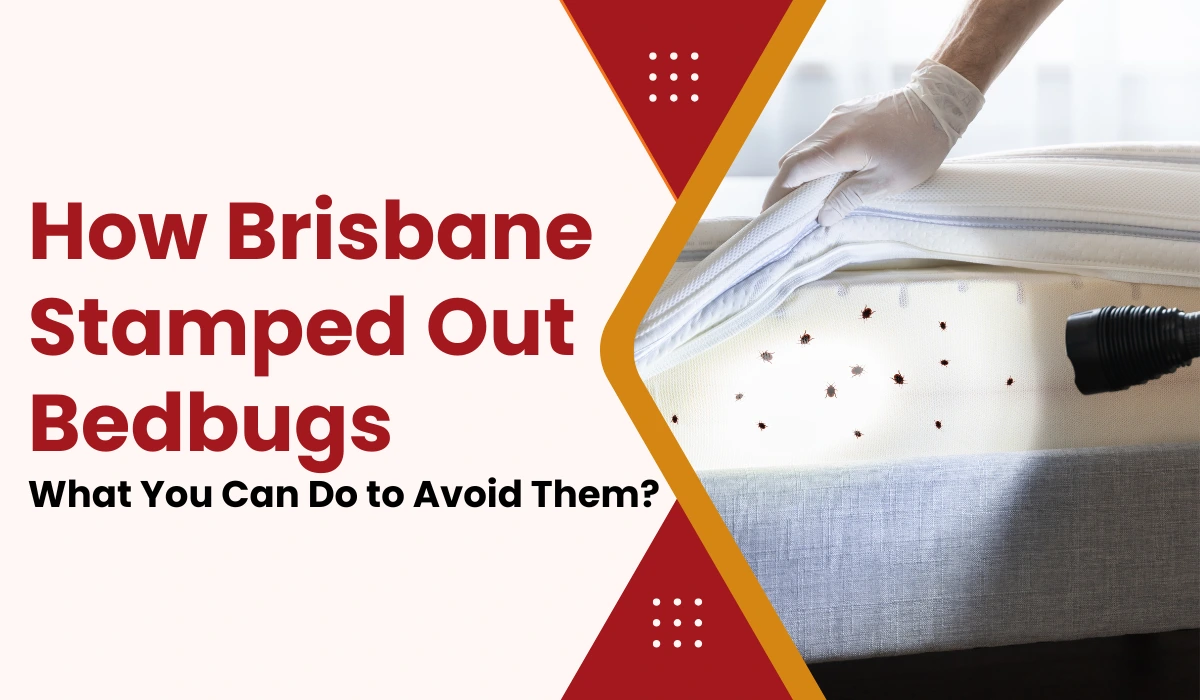
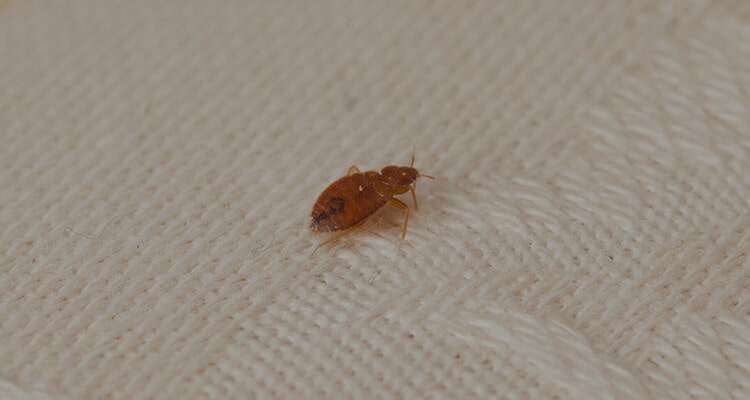
- Bed bugs – while not known to transmit disease, bed bug bites cause itchy welts and significant sleep disruption, and infestations can be psychologically distressing.
If you’ve recently noticed unexplained bites, especially after travel or a change in soft furnishings, it’s worth investigating early – bed bug numbers can multiply quickly once established.
Spiders and Stinging Insects: When to Seek Medical Attention
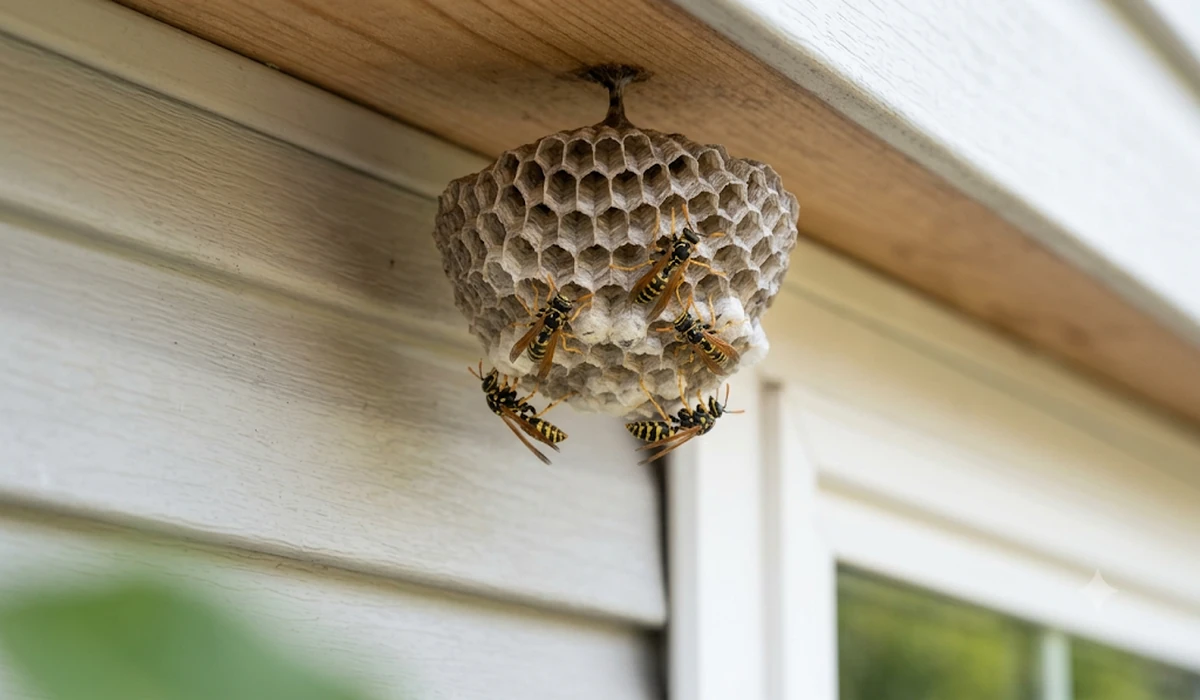
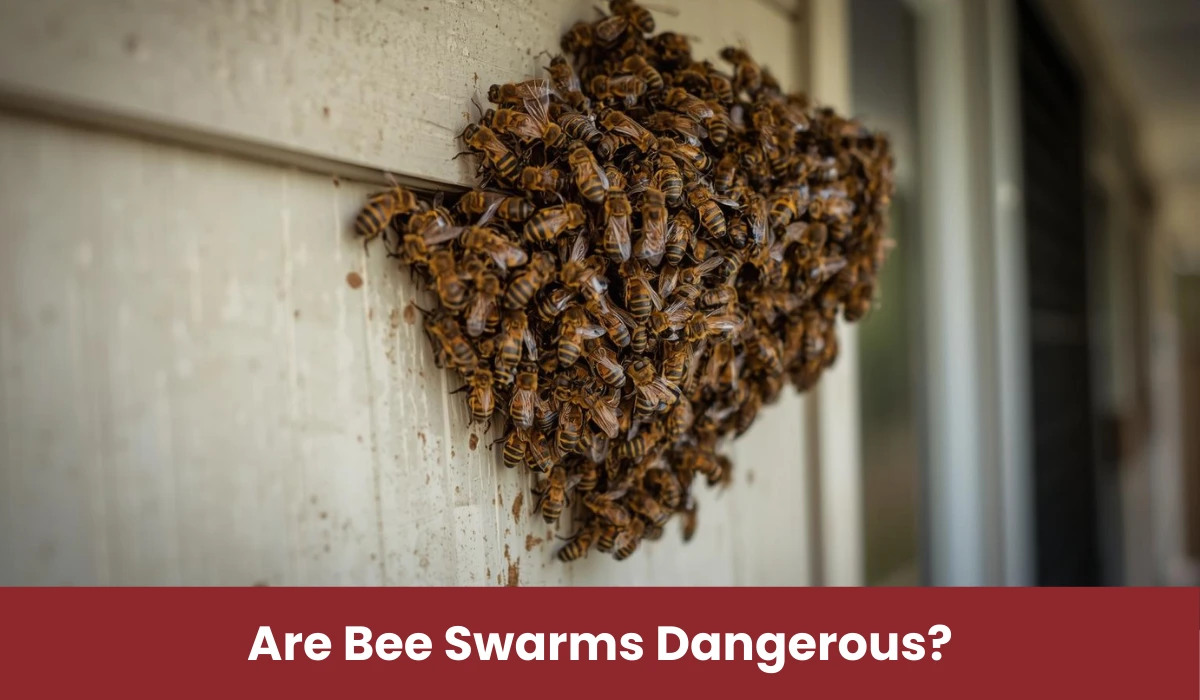
Australia is home to several spiders and stinging insects capable of delivering a medically significant bite or sting, including redback spiders, some funnel-web species, and various wasps and bees.
Seek medical attention if a bite or sting is followed by:
- Severe or spreading pain, swelling, or muscle cramping.
- Difficulty breathing, swelling of the face or throat, or dizziness (signs of a possible allergic reaction).
- Symptoms that worsen rather than settle over the following hours.
Most spider and insect encounters result in only mild, localised discomfort, but it’s important not to dismiss symptoms that escalate.
Which People Are Most at Risk?
Certain groups face a higher risk of pest-related health issues:
- Children – more likely to experience asthma flare-ups triggered by cockroach allergens, and more vulnerable to mosquito-borne illness due to developing immune systems.
- Elderly residents – may have reduced immune resilience and are more susceptible to complications from bites, stings, or bacterial exposure.
- People with allergies or asthma – cockroach and dust mite allergens are established asthma triggers.
- Pets – dogs and cats are vulnerable to flea infestations and tick-borne illness, and can also act as a vector bringing pests into the home.
Early Warning Signs of a Pest Infestation
Recognising the early signs of a problem can prevent a minor issue becoming a significant one. Watch for:
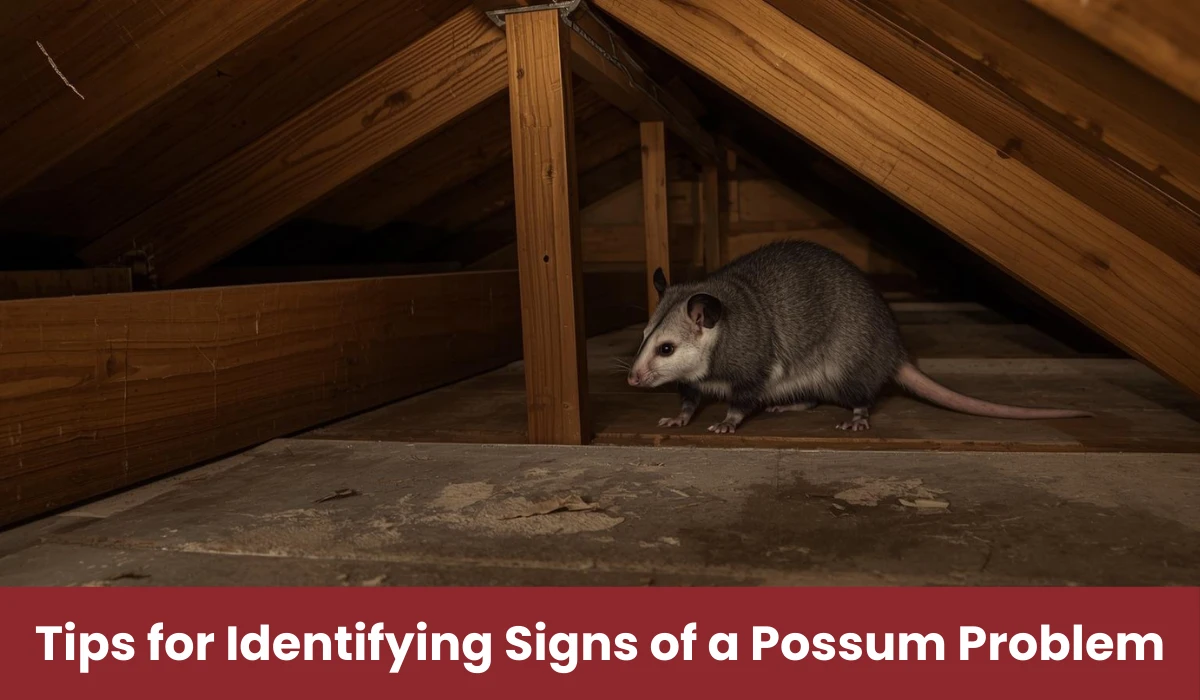
- Droppings near food storage areas, skirting boards, or in roof or subfloor spaces.
- Unusual musty or oily odours, particularly associated with cockroaches or rodents.
- Gnaw marks on packaging, wiring, or timber.
- Small dark stains along skirting boards (a common sign of cockroach or rodent activity).
- Unexplained bites appearing overnight.
Our detailed guide on 10 signs your home has a hidden pest infestation covers each of these indicators in more depth.
How to Reduce Pest-Related Health Risks?
Simple, consistent habits make a meaningful difference:
- Store food in sealed containers and clean up crumbs and spills promptly.
- Take out rubbish regularly and keep bins sealed.
- Fix leaking taps and eliminate standing water to reduce mosquito breeding sites.
- Seal gaps around doors, windows, and utility entry points.
- Vacuum and wash bedding regularly to reduce dust mite and bed bug risk.
- Keep pets on a regular flea and tick prevention routine.
For a seasonal approach, our winter pest prevention checklist outlines what to prioritise as conditions change throughout the year.
When to Call Professional Pest Control?
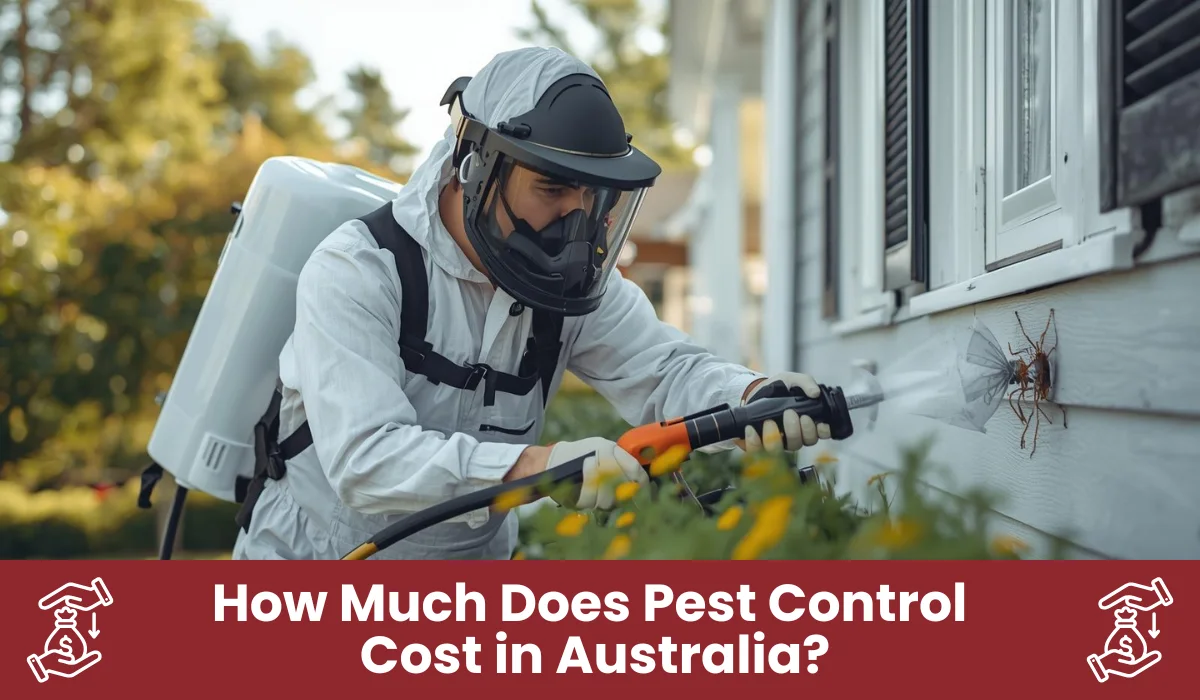
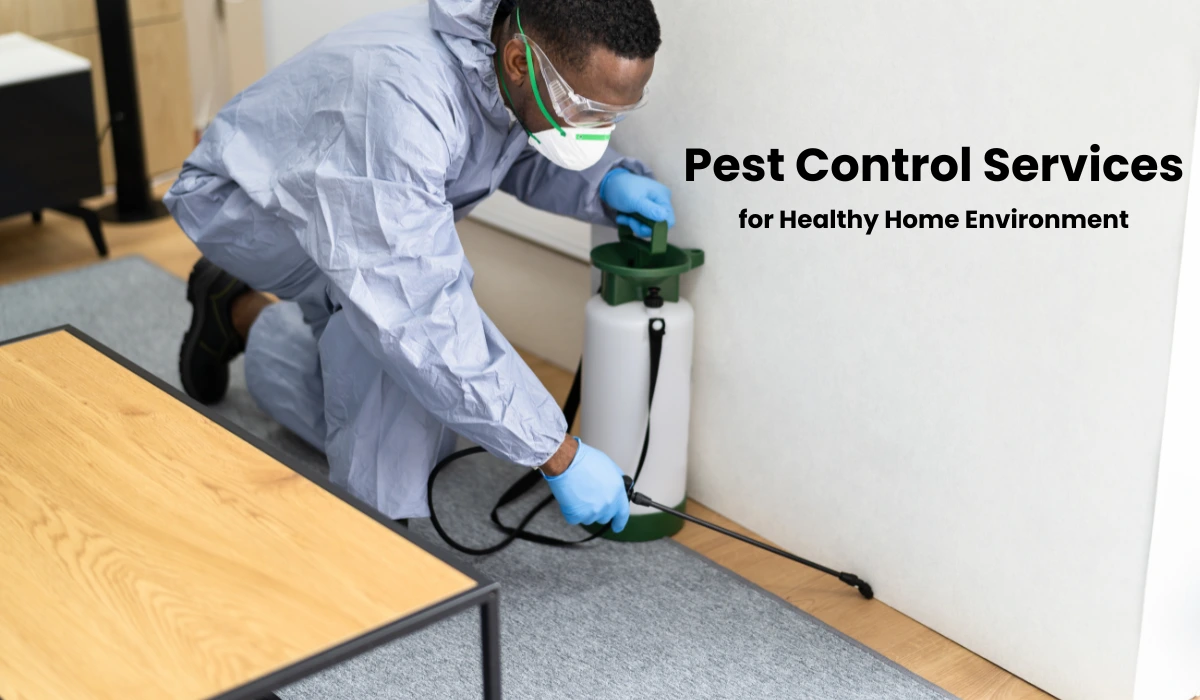
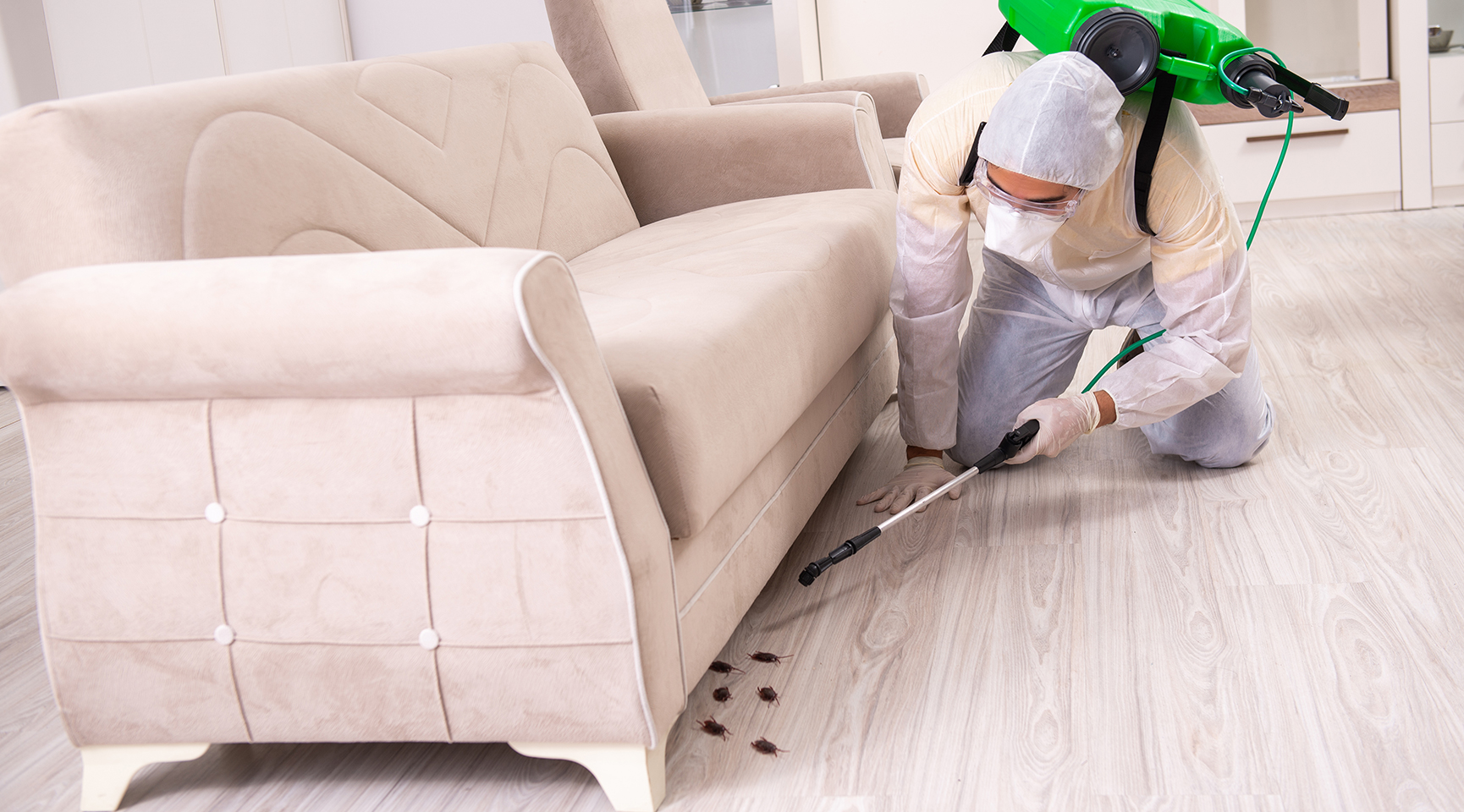
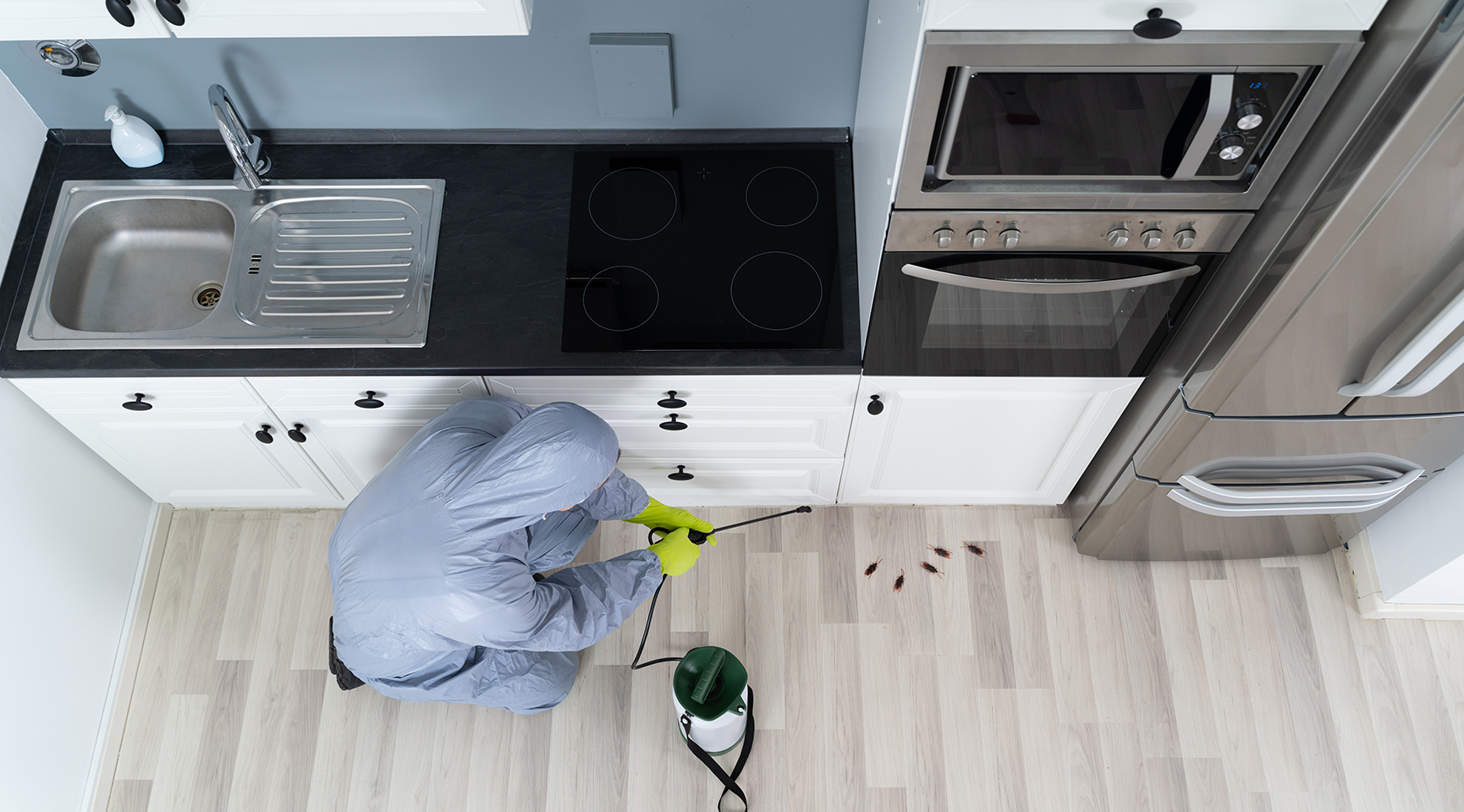
DIY measures can help manage minor pest presence, but once an infestation is established – particularly with cockroaches, rodents, or ticks – professional treatment is usually more effective and longer-lasting. Signs it’s time to call in the professionals include recurring sightings despite cleaning efforts, evidence of nesting within the home’s structure, or any signs of a bite or sting requiring medical follow-up.
If you’re weighing up your options, our comparison of DIY vs professional pest control: what’s more effective? walks through the practical differences. It’s also worth checking whether common misconceptions are shaping your approach – our article on pest control myths addresses several assumptions that can leave homes under-protected.
Comparison Table: Common Pests, Health Risks and Prevention
| Pest | Primary Health Risk | Prevention Tip |
|---|---|---|
| Cockroaches | Food contamination, bacteria, asthma/allergy triggers | Seal food, clean crumbs, reduce moisture |
| Rats and mice | Contamination, parasites, property damage | Seal entry points, secure food storage |
| Mosquitoes | Ross River virus, Barmah Forest virus | Remove standing water, use screens |
| Flies | Bacterial contamination of food | Cover food, seal bins |
| Fleas | Itchy bites, allergic dermatitis | Pet flea treatment, regular vacuuming |
| Ticks | Localised swelling, rare allergic reactions | Check pets and family after outdoor activity |
| Bed bugs | Itchy bites, sleep disruption | Inspect second-hand furniture, wash bedding |
| Spiders/stinging insects | Pain, swelling, rare severe reactions | Seek medical care if symptoms escalate |
Frequently Asked Questions
Ques 1. Can cockroaches make you sick?
Ans. Yes – cockroaches can contaminate food and surfaces with bacteria, and their allergens are linked to asthma and allergic reactions, particularly in children.
Ques 2. Are all mosquito bites in Australia a disease risk?
Ans. No, most mosquito bites simply cause itching. Disease transmission risk depends on the mosquito species and region, with Ross River virus being the most commonly reported illness nationally.
Ques 3. What are the first signs of a rodent problem?
Ans. Droppings near food storage, gnaw marks on packaging or wiring, and a musty odour are common early indicators.
Ques 4. Do bed bugs spread disease?
Ans. Bed bugs aren’t known to transmit disease in Australia, but their bites cause itching and can significantly disrupt sleep.
Ques 5. Are ticks dangerous in Australia?
Ans. Most tick bites cause localised swelling and discomfort, though some people experience more significant allergic reactions and should seek medical advice if symptoms worsen.
Ques 6. Can pests trigger asthma?
Ans. Yes – cockroach allergens in particular are a well-documented asthma trigger, especially in homes with an existing infestation.
Ques 7. How do I know if I need professional pest control?
Ans. If sightings persist despite cleaning, if there’s evidence of nesting within walls or roof spaces, or if bites/stings require medical attention, it’s time to call a professional.
Ques 8. Are pets at risk from household pests?
Ans. Yes – fleas and ticks affect pets directly and can also act as a way for these parasites to spread through the home.
Conclusion
Household pests are rarely just a cosmetic issue – many carry genuine, documented health risks, from food contamination to allergy triggers and, in some cases, disease transmission. Understanding which risks apply to which pests helps you take proportionate, practical action, whether that’s tightening up food storage habits or bringing in professional support.
If you’re noticing signs of pest activity in your home, True Pest Control can help assess the situation and recommend an appropriate course of action for your property.