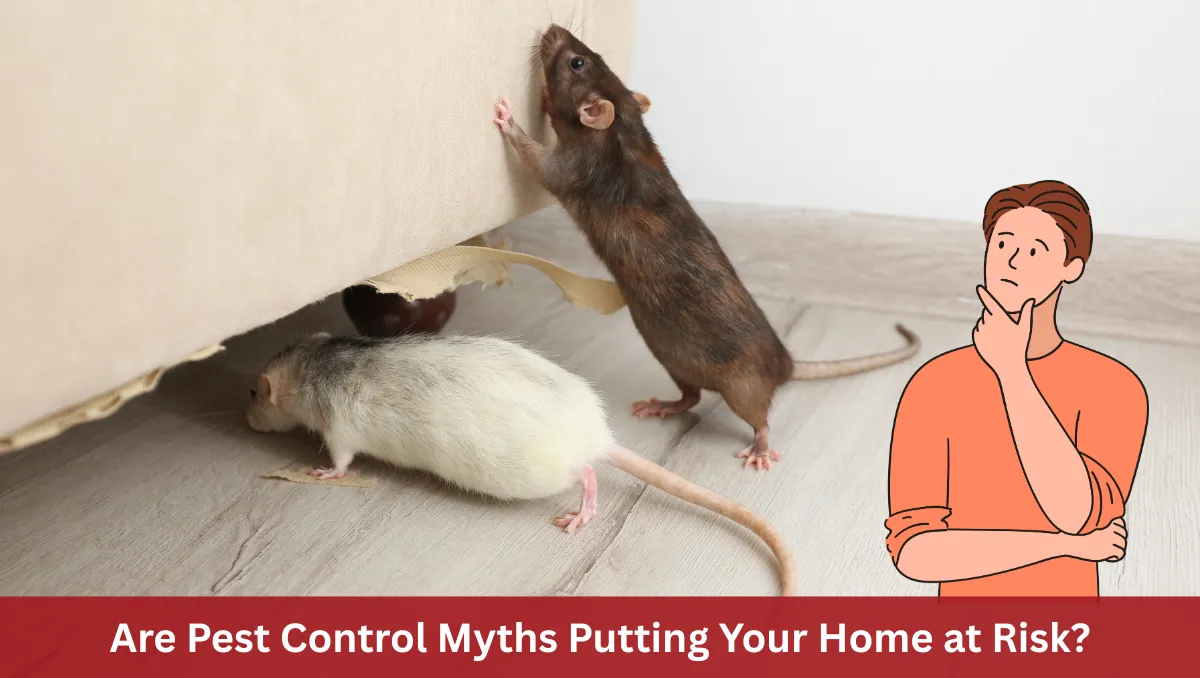

Rats rely on their sense of smell far more than most people realise. Before a rat ever sets foot inside your home, it has already detected something from the outside that signals safety, warmth, and – most importantly – food. Understanding what smells attract rats is one of the most practical steps you can take to reduce the risk of an infestation around your Australian home.
The good news is that many of the odours that draw rats in are within your control. From the kitchen bin to the backyard compost, small adjustments to how you store and dispose of food can make a genuine difference. This guide walks through the main scent attractants, explains why rats respond to them, and covers what you can do to reduce their appeal.
Why Smell Matters So Much to Rats
Rats have an exceptionally developed olfactory system. Their sense of smell allows them to detect food sources, identify other animals, assess danger, and navigate familiar routes – all through scent alone. This is why a home that appears sealed and tidy from the outside can still attract rats if certain odours are present. They do not need to see food; they simply need to smell it.
As opportunistic omnivores, rats are not selective about what counts as food. Organic waste, fermented scraps, grease residue, and even pet droppings all register as potential meals. This broad appetite means a wide range of everyday household smells can act as attractants – many of which homeowners overlook entirely.
Common Smells That Attract Rats to Your Home
1. Household Garbage and Food Waste
An uncovered or overflowing rubbish bin is one of the most consistent attractants for rats in residential areas. The smell of rotting food scraps – vegetable peelings, meat packaging, leftover meals – carries a strong odour that rats can detect from a considerable distance. Even a bin with a lid can attract rats if it is cracked, poorly sealed, or infrequently cleaned. Wash your outdoor bins regularly, use bags that are properly tied, and keep bins away from walls and fences where possible to reduce access points.
2. Pet Food Left Out Overnight
Dry and wet pet food are both high in protein and fat – two things rats actively seek. Leaving pet bowls out after your cat or dog has finished eating, or storing pet food in an open bag in the laundry or garage, creates a persistent scent signal. This is one of the more common and underestimated attractants in Australian households. Store pet food in sealed, rigid containers and wash pet bowls after each meal to cut down on residual odour.
3. Compost Bins
Composting is beneficial for the garden, but an improperly managed compost bin releases powerful odours that rats find very appealing. Fermenting food scraps – particularly any meat, dairy, or cooked food added to the mix – produce smells that closely mimic what rats consider a reliable food source. If you compost, use a solid, well-sealed bin rather than an open pile, avoid adding meat and oily scraps, and turn the compost regularly to reduce odour build-up.
4. Birdseed and Fallen Fruit
Backyard bird feeders and fruit trees are common features in Australian gardens – and both can contribute to rat activity. Seeds that fall from feeders accumulate on the ground and provide rats with an easy, scent-rich food source. Similarly, fallen fruit that is left to rot releases a sweet, fermented smell that is particularly attractive to rats. Clean up fallen produce regularly and store birdseed in sealed metal or thick plastic containers.
5. Grease and Cooking Residue
The smell of cooked meat, fat, and cooking oils that lingers around kitchen benches, stovetops, and barbecues is a strong attractant for rats. Grease residue on a BBQ grill or splattered around a stovetop can retain its scent for days, signalling to nearby rodents that food is available. Wipe down cooking surfaces after use, degrease your BBQ regularly, and avoid leaving dirty dishes overnight in the kitchen sink.
6. Pet and Animal Waste
Dog faeces in the backyard is another smell that attracts rats. Animal waste retains a degree of nutritional content and registers as a food source to scavenging rodents. This is particularly relevant in households with dogs where the yard is not cleaned regularly. Remove pet waste from outdoor areas promptly and consistently – this reduces both rat attractants and the risk of secondary pest activity around your property.
7. Improperly Stored Pantry Items
Inside the home, pantry items that are not stored securely can be just as problematic as outdoor attractants. Rice, flour, nuts, dried fruit, cereals, and other grains stored in thin cardboard or plastic packaging release detectable odours. Rats can chew through these materials with ease. Transfer dry goods into sealed glass or thick plastic containers and check regularly for any signs of gnawing or contamination in your pantry or kitchen cupboards.
8. Sugary and Sweet-Smelling Items
Rats are drawn to sweet smells, including those from ripe fruit, juices, confectionery, and even scented candles or air fresheners that have food-based aromas. This is particularly relevant around kitchens and dining areas where sugary items are prepared or stored. Be mindful of what is left on benchtops and ensure any spillage from drinks or sauces is cleaned up promptly.
Smells That May Help Deter Rats
While removing attractive odours is the priority, it is worth noting that rats tend to avoid certain strong scents. Peppermint oil, eucalyptus, lavender, and white vinegar are frequently mentioned as natural deterrents. Placing cotton balls soaked in peppermint oil near potential entry points, or using cedarwood chips in garden beds, may offer some deterrent effect. However, these measures are unlikely to solve an existing infestation and should be considered a supplementary step rather than a primary control method.
How to Reduce Rat-Attracting Smells Around Your Property
- Keep all rubbish bins tightly sealed and wash them regularly to remove food residue and odour build-up.
- Store pet food in sealed rigid containers and remove pet bowls after each meal, particularly overnight.
- Use a covered, solid compost bin and avoid adding meat, dairy, or cooked scraps to the pile.
- Clean up fallen fruit from trees and spillage from bird feeders on a regular basis.
- Degrease your BBQ and wipe down kitchen surfaces after cooking to remove food residue.
- Remove pet waste from your yard frequently and do not allow it to accumulate.
- Transfer dry pantry goods to airtight containers – particularly grains, nuts, and dried fruit.
- Address any leaking pipes or damp areas that can encourage rats to seek shelter close to your home.
For more detail on identifying whether rats have already entered your home, see our guide on signs of a rat infestation and our breakdown of what rat droppings look like compared to mouse droppings, which can help you identify which rodent is present.
The Link Between Smells, Entry Points, and Roof Infestations
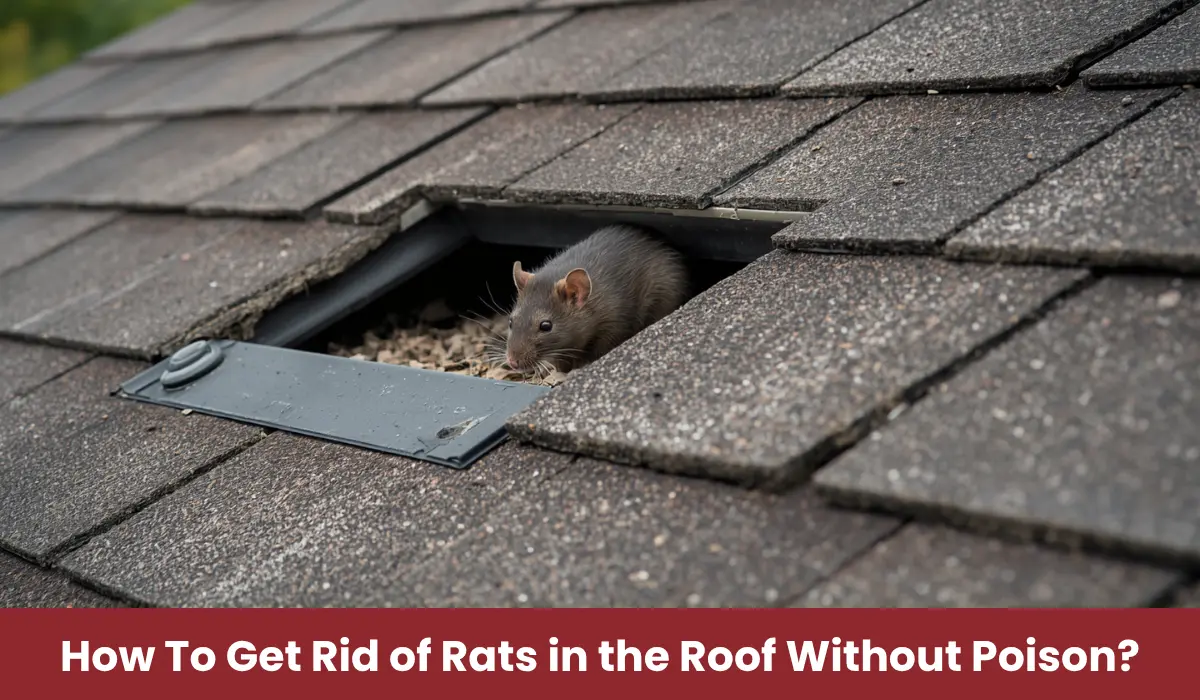
Once a rat has been drawn to your property by smell, it will begin exploring for ways to enter the building. Rats are agile climbers and can access roofs via overhanging trees, pipes, and downpipes. Roof spaces offer warmth, shelter, and proximity to food – making them a common nesting site. If you are hearing scratching at night and are unsure whether you are dealing with a rat or possum, our article on how to tell if it is a rat or possum in your roof can help you identify the source.
For properties already experiencing a roof rat issue, it is worth reviewing how to get rid of rats in roofs and understanding the considerations around removing rats without poison, particularly in homes with children or pets.
Health Risks Associated with Rat Infestations
Rats are not simply a nuisance – they pose real health risks to occupants. They can contaminate food sources, spread bacteria through droppings and urine, and introduce secondary pests such as fleas and mites into the home. For a broader overview of the health concerns linked to common Australian pests, including rodents, see our resource on health risks of common Australian pests. Understanding the risks reinforces why prompt action matters when attractants and entry points are not addressed early.
Why Choose True Pest Control?
- Experienced professionals – Our team brings genuine hands-on experience managing rat activity across a range of Australian property types, from residential homes to commercial premises.
- Thorough property assessment – We identify not just where rats are active, but what is drawing them in, so the root cause is addressed rather than just the symptom.
- Effective methods – We use appropriate tools and methods suited to the property, pest species, and household circumstances, including options appropriate for homes with pets and children.
- Customer focused – We take the time to explain what we find, what we recommend, and what you can do to reduce the risk of rats returning after treatment.
- Prompt service – We understand that a rat problem needs to be addressed without unnecessary delay, and we work to arrange inspections and treatments as quickly as scheduling allows.
Conclusion
Rats are guided by smell above almost everything else. Garbage, pet food, compost, fallen fruit, cooking residue, and improperly stored pantry items are among the most common odour attractants found in and around Australian homes. Addressing these sources is the foundation of any effective rat prevention strategy.
If you have already taken steps to remove attractants but are still noticing signs of rat activity, or if you would like a property inspection to identify vulnerabilities before a problem develops, contact True Pest Control. Our experienced team can assess your situation and recommend a practical, reliable approach tailored to your property.
Frequently Asked Questions
Ques 1: What smells attract rats the most?
Ans. Rats are strongly drawn to the smell of rotting garbage, uncovered food scraps, pet food, compost, and animal waste. Strong food odours – especially those from meat, grease, and fermenting fruit – are particularly appealing because rats are opportunistic, omnivorous feeders.
Ques 2: Can smells from inside the house attract rats from outside?
Ans. Yes. Rats have a highly sensitive sense of smell and can detect food odours from a considerable distance. Cooking smells, improperly stored pantry items, and food residue on benches or dishes can all signal to rats that your home is a worthwhile food source.
Ques 3: Does pet food attract rats?
Ans. Yes. Dry and wet pet food are high in protein and fat, making them very appealing to rats. Leaving pet bowls out overnight or storing pet food in an open bag creates a strong scent that can attract rats into your home or yard.
Ques 4: Does a compost bin attract rats?
Ans. Compost bins can attract rats, especially when they contain meat scraps, oily food, or cooked leftovers. The fermenting organic matter releases strong odours that rats find appealing. Using a well-sealed compost bin and avoiding adding meat or dairy reduces the risk.
Ques 5: What smells repel rats?
Ans. Peppermint oil, eucalyptus, lavender, and white vinegar are commonly cited as scents rats dislike. While these may offer some deterrent effect, they are not a reliable solution on their own and should be used as part of a broader pest prevention approach.
Ques 6: How do I know if rats are already in my home?
Ans. Common signs of a rat infestation include droppings along skirting boards or in cupboards, gnaw marks on food packaging or timber, scratching noises in the roof or walls at night, and greasy smear marks along walls where rats travel regularly.
Ques 7: When should I call a pest control professional for rats?
Ans. If you notice multiple signs of rat activity, hear persistent scratching in the roof or walls, or have attempted DIY measures without success, it is advisable to contact a pest control professional. Early intervention helps prevent a minor problem from becoming a significant infestation.