You walk into your bathroom first thing in the morning and there they are – tiny, fuzzy little flies hovering around the sink. You swat them away, go about your day, and the next morning they’re back. Sound familiar?
I’ve seen this scenario hundreds of times over 5 years in pest control. The good news? Drain flies are one of the most straightforward pest problems to solve – once you know what you’re actually dealing with. The bad news? Most people waste weeks spraying surface insecticides and wondering why nothing changes.
This guide will walk you through exactly what drain flies are, why they keep coming back, and the step-by-step process to eliminate them from your home permanently.
What Are Drain Flies, Exactly?
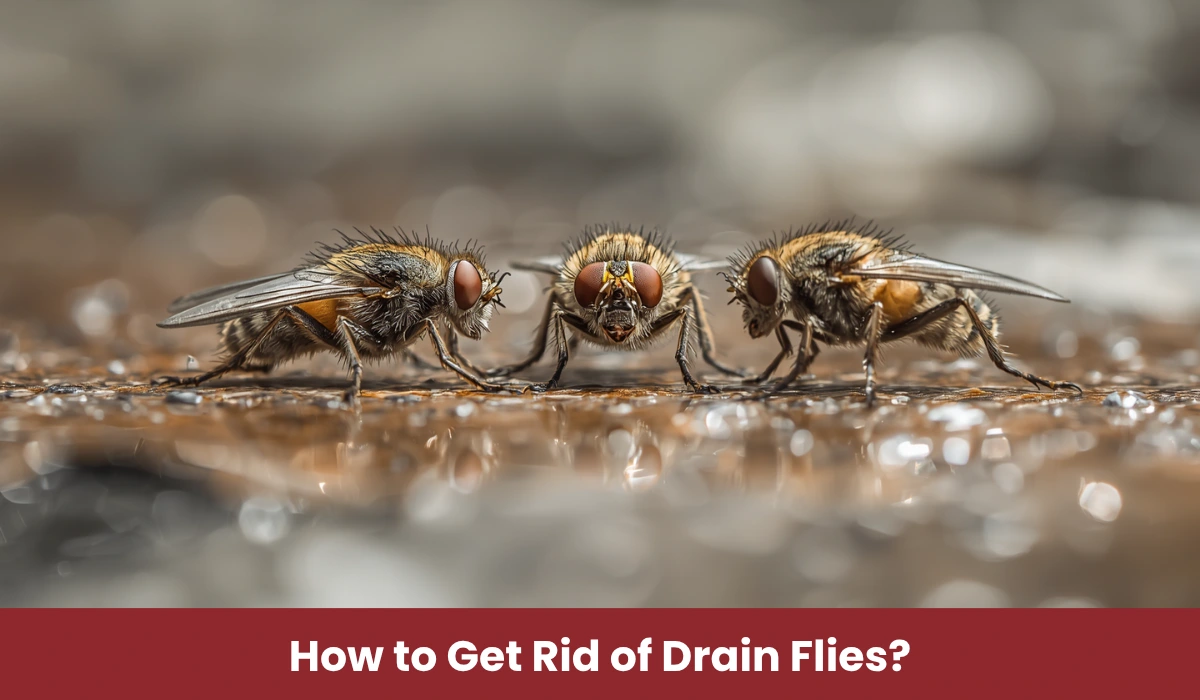
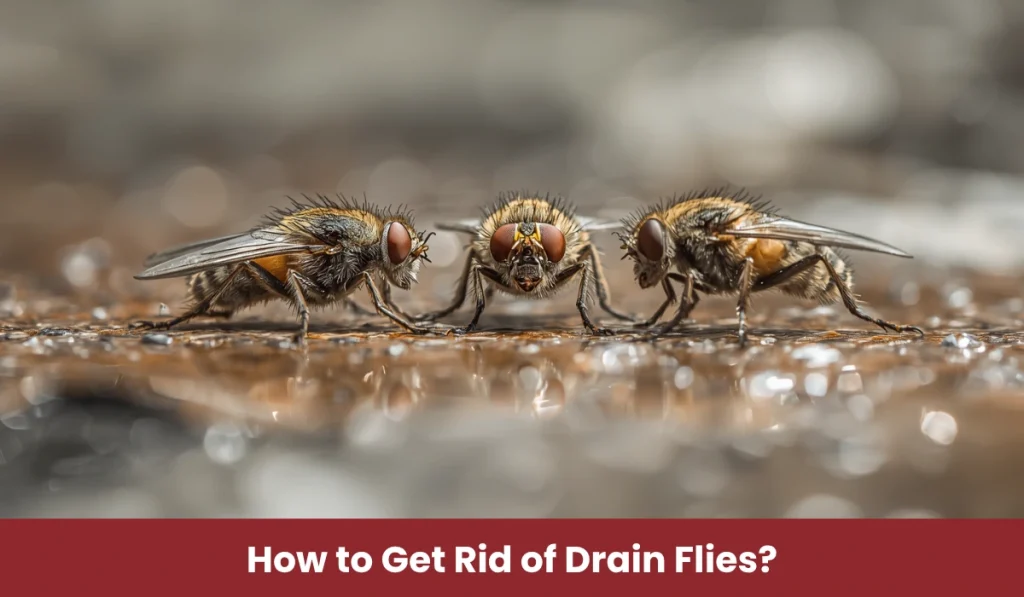
Drain flies – also called moth flies, sewer flies, or sink flies – are tiny insects about 1.5 to 5mm long. They look like miniature moths with fuzzy, leaf-shaped wings, which is why many people mistake them for fruit flies at first glance.
Here’s the key difference: fruit flies are attracted to your fruit bowl. Drain flies breed inside your drains. They don’t come from outside your home – they’re born in your plumbing.
The adult flies you’re seeing are just the tip of the iceberg. The real problem is the larvae living inside the organic matter – the thick, slimy biofilm that builds up on the inside walls of your pipes. That gelatinous gunk made up of grease, hair, soap scum, and decaying food? That’s their breeding ground and their food source.
PRO TIP: Drain flies don’t bite and aren’t directly harmful to humans – but a large infestation can indicate a hygiene issue in your plumbing that goes beyond the flies themselves.
Where Do Drain Flies Come From in Australian Homes?
In Australia’s warm and humid climate, drain fly infestations are especially common – and they pop up year-round, not just in summer. Any standing water or slow-moving drain that collects organic matter is fair game.
The most common breeding sites I find in Australian homes:
• Bathroom sink and shower drains – hair and soap build-up create perfect conditions
• Kitchen sink drains – grease and food particles are a five-star buffet for larvae
• Floor drains in laundries and garages – often forgotten and rarely cleaned
• Overflow drains in bathtubs and basins – a hotspot most homeowners never think to check
• Rarely-used toilets and guest bathrooms – stagnant water allows biofilm to establish
• Broken or poorly-sealed sewer pipes under the slab – more serious and may need a plumber
If you’re seeing drain flies in a room where you don’t use the sink often, that’s usually your first clue – stagnant drains with undisturbed biofilm are the perfect nursery.
How to Confirm It’s a Drain Fly Problem?
Before you start any treatment, confirm your diagnosis. Here’s a quick test I recommend to every homeowner:
THE TAPE TEST: Cover the suspected drain opening with a piece of clear sticky tape – sticky side down – and leave it overnight. If you catch small fuzzy flies on the tape by morning, that drain is your breeding source.
Check every drain in the house this way. You might be surprised – often there are two or three active drains contributing to the same infestation. Treating only one and ignoring the others is the number one reason people can’t seem to get drain flies under control.
How to Get Rid of Drain Flies: Step-by-Step?
Let me be straight with you – killing the adult flies floating around your bathroom does almost nothing. They’ll be replaced within days. The only way to permanently get rid of drain flies is to destroy their breeding environment inside the drain. Here’s how:
Step 1: Physically Clean the Drain
This is the step most people skip, and it’s the most important one. You need to physically remove the biofilm from inside the pipe walls – spraying chemicals over the top of it won’t cut it.
1. Remove the drain cover and use a stiff drain brush or pipe brush to scrub the inside walls of the pipe as deep as you can reach.
2. Pull out any hair, grease, or debris you can see.
3. Pour a full kettle of boiling water down the drain to loosen remaining build-up.
4. Follow with a half-cup of baking soda, then a half-cup of white vinegar. Let it fizz for 15 minutes.
5. Flush again with boiling water.
This combination breaks down and flushes away the organic layer that the larvae depend on. Do this for every drain that tested positive in your tape test.
Step 2: Use a Biological Drain Gel
Once you’ve physically cleaned the drain, apply a biological drain cleaner or enzyme-based drain gel. These products – widely available at Australian hardware stores and online – contain live bacterial cultures that continue to break down organic matter inside your pipes for days after application.
This is far more effective than bleach or chemical drain cleaners, which kill surface bacteria but don’t fully eliminate the biofilm. Follow the product instructions, but typically you apply it at night and allow it to work undisturbed through the drain overnight.
WHAT TO AVOID: Don’t use bleach as your primary treatment. It dilutes quickly in water and won’t penetrate thick biofilm. It also kills the beneficial bacteria in enzyme products if used together.
Step 3: Kill the Adult Flies
While your drains are being treated, deal with the adult flies already in the room. A few practical options:
• Fly paper or sticky traps near the drain – old-fashioned but genuinely effective for monitoring and reducing numbers
• A spray of household insecticide around the drain entrance and nearby walls to knock down adults quickly
• A DIY trap: place a bowl of apple cider vinegar with a few drops of dish soap near the drain – the flies are drawn to it and can’t escape
Remember, killing adults is a short-term measure. Without fixing the drain, you’re just making room for the next batch to hatch.
Step 4: Repeat the Treatment
Drain fly larvae can take 9 to 15 days to complete their life cycle. That means even after a thorough clean, you may see adult flies for another week or two as remaining eggs hatch. Don’t panic – this is normal.
Repeat the enzyme gel treatment every 3 to 5 days for two to three weeks. By the end of that cycle, you should see zero adult flies remaining.
When to Call a Pest Control Professional?
Most drain fly infestations can be resolved with consistent DIY treatment. But there are situations where you need professional help:
• The infestation keeps returning despite thorough cleaning – this may indicate a cracked pipe or sewer leak underneath your slab
• Flies are appearing from floor drains, outside drains, or in multiple rooms simultaneously
• You can smell sewage or notice unusually damp areas near walls or flooring
• The property is a rental, commercial kitchen, or food business – where compliance with health standards matters
In these cases, a experienced pest controller can conduct a drain camera inspection or work alongside a plumber to identify and fix the root cause. A recurring drain fly problem in a commercial property is a council health risk, not just a nuisance.
How to Prevent Drain Flies from Coming Back?
Once you’ve cleared an infestation, keeping it gone is straightforward. I give every client the same three rules:
1. Run hot water down every drain in your home for 30 seconds at least once a week – including drains you rarely use.
2. Pour an enzyme drain cleaner down your kitchen and bathroom drains once a month as a maintenance dose.
3. Don’t let drains sit stagnant. If you have a bathroom or laundry you rarely use, run the taps briefly each week to keep the water moving and prevent biofilm build-up.
That’s genuinely it. Drain flies are a maintenance problem. Solve the maintenance, solve the flies.
The Bottom Line
Drain flies in Australia are common, they’re annoying, and they’re almost entirely avoidable. The key insight that most people are missing when they can’t get rid of them is simple: you’re treating the symptom, not the source.
Stop swatting flies. Clean the drain, treat the biofilm, and repeat consistently for three weeks. In the vast majority of cases, that’s all it takes.
If you’ve followed every step in this guide and drain flies are still coming back, that’s your signal to bring in a professional. There’s likely something happening in your plumbing that goes beyond a surface clean – and the sooner it’s found, the easier it is to fix.
Tried everything and still have drain flies?
Stop reading – let us handle it. Our technicians find sources DIY can’t reach: cracked pipes, sewer leaks, and subfloor drains across Australia.
✓ Experienced & Specialised
✓ Free quote, no obligation