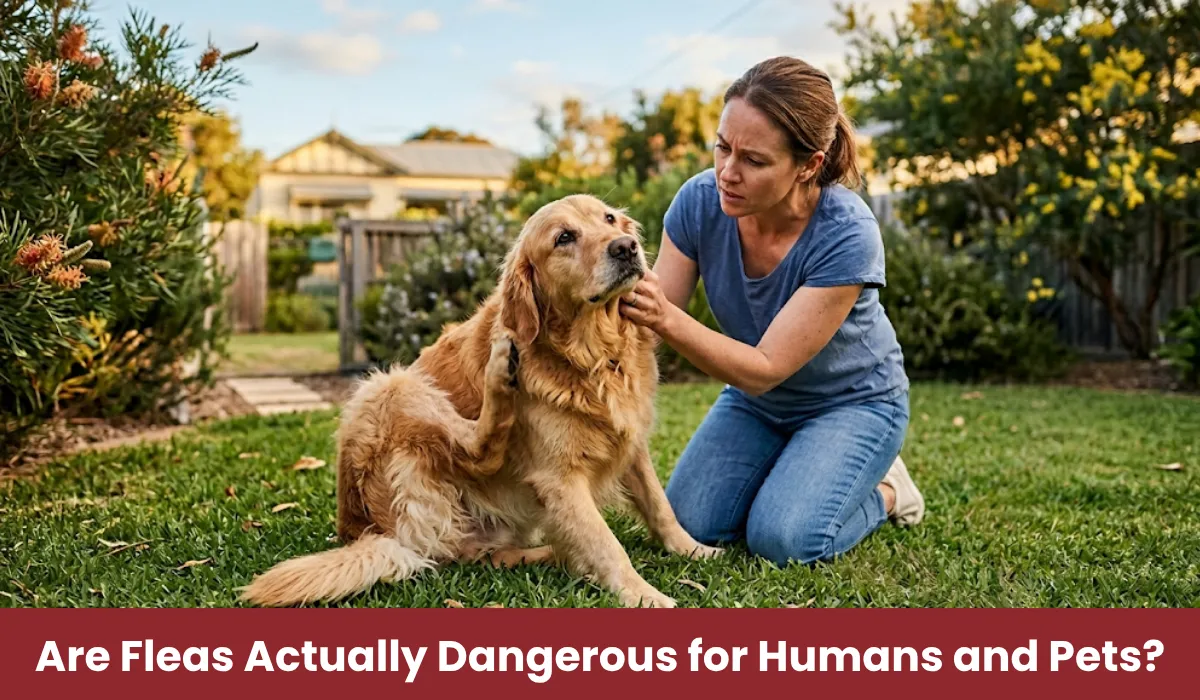
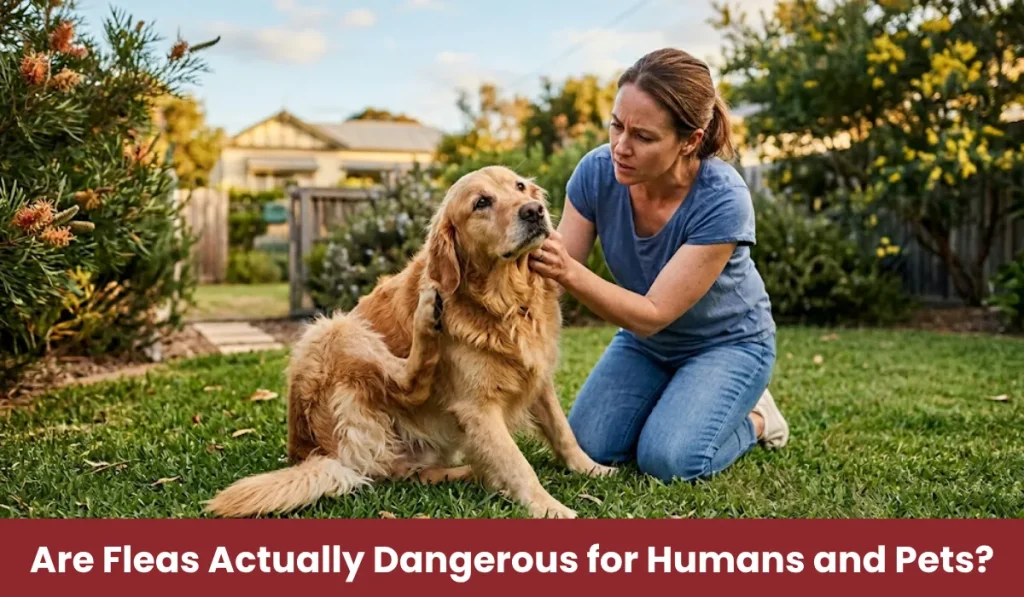
You spot your dog scratching furiously. You notice tiny red bumps around your ankles. Sound familiar? If so, you might be dealing with fleas – and honestly, they deserve far more respect (and fear) than most pet owners give them. Fleas health risks in Australia are very real, and these microscopic hitchhikers can cause a surprising range of health problems for both your beloved pets and your family. Let’s dive into everything you need to know.
What Exactly Are Fleas – and Why Are They So Hard to Get Rid Of?
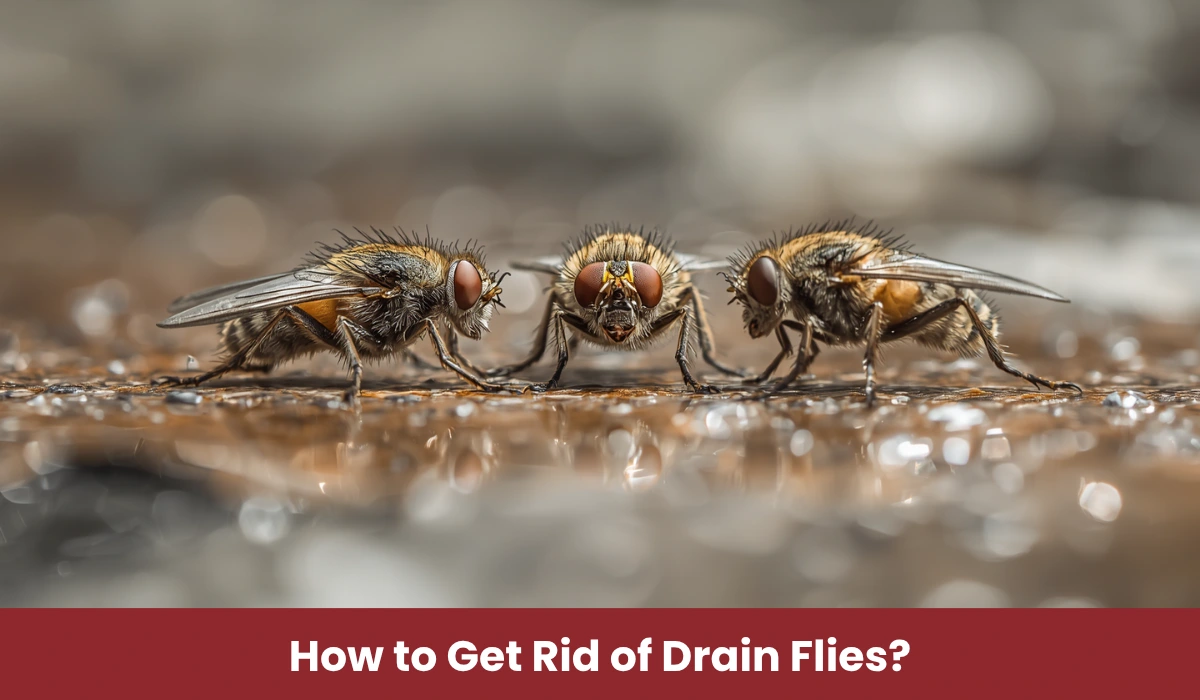
Fleas are tiny, wingless, blood-sucking parasites that have been around for millions of years – and they’ve gotten very good at surviving. The most common species you’ll encounter in Australian homes is Ctenocephalides felis, the cat flea, which (confusingly) happily infests both cats and dogs. These little creatures are incredibly athletic: they can jump up to 150 times their own body length, which is how they so easily leap onto your pet – or you – from carpets, grass, and furniture.
What makes fleas particularly tricky is their life cycle. An adult flea on your pet is actually only about 5% of the total flea population in your home. The other 95% – eggs, larvae, and pupae – are hiding in your carpet, bedding, and floorboards. This is why a single flea treatment on your pet is rarely enough, and why understanding the full scope of pet fleas danger starts with understanding how they breed and spread so rapidly – and more importantly, how to get rid of fleas effectively.
Flea Bites on Humans: More Than Just an Itch
Flea bites on humans typically appear as small, red, raised bumps surrounded by a red halo. They’re most commonly found around the ankles, lower legs, and waist – areas that are closest to the ground or come into contact with infested furniture. The bites itch intensely, and scratching them can easily break the skin, opening the door to secondary bacterial infections like impetigo or cellulitis.
Furthermore, some people develop a more serious allergic reaction known as papular urticaria, where the bites cause widespread, intensely itchy welts that can last for weeks. Children and elderly individuals tend to react more severely to flea bites, and in rare but serious cases, excessive flea bites can cause anemia – especially in very young children or people with compromised immune systems. So, the next time you dismiss a flea bite as “just” a nuisance, think again.
Flea Diseases: The Serious Illnesses These Parasites Can Spread
This is where things get genuinely serious. Flea diseases are not fictional – they are medically documented conditions that fleas actively transmit to both humans and animals. The most well-known historically is Bubonic Plague, caused by Yersinia pestis bacteria carried by rat fleas. While plague is extremely rare in modern Australia, it’s a sobering reminder of just how dangerous fleas can be as disease vectors.
More relevant to everyday Australians is Murine Typhus (Rickettsia typhi), a bacterial infection spread through flea faeces that enters the body when you scratch a flea bite. Cases of murine typhus have been recorded across Australia, particularly in Western Australia and Queensland. Symptoms include fever, headache, rash, and muscle aches – and while it’s treatable with antibiotics, delayed diagnosis can lead to serious complications. Additionally, Cat Scratch Disease, caused by Bartonella henselae, can be transmitted to humans via flea faeces on a cat’s claws.
Fleas Health Risks in Australia: What Local Pet Owners Need to Know
Australia’s warm, humid climate – particularly in states like Queensland, New South Wales, and Western Australia – creates a near-perfect breeding environment for fleas year-round. Unlike colder climates where flea season is largely limited to summer, fleas health risks Australia remain elevated even through autumn and winter, especially in coastal areas. This means Australian pet owners simply cannot afford to take a “seasonal” approach to flea prevention.
Additionally, Australia has a high rate of pet ownership – approximately 69% of households own a pet – which means the flea problem is widespread. Native wildlife including bandicoots, possums, and feral cats also act as reservoir hosts, regularly introducing new flea populations into suburban backyards. Consequently, even indoor-only pets can be at risk if their owner walks through flea-infested grass and carries fleas inside on clothing or shoes.
The Hidden Danger: Tapeworms, Anemia, and Flea Allergy Dermatitis in Pets
When it comes to pet fleas danger, the risks extend well beyond itchy skin. One of the most overlooked hazards is the tapeworm connection. When a pet grooms itself and accidentally swallows a flea infected with tapeworm larvae (Dipylidium caninum), the tapeworm establishes itself in the pet’s intestines. You might notice small, rice-like segments around your pet’s rear end or in their bedding – a sure sign of tapeworm infection that requires veterinary treatment.
Flea Allergy Dermatitis (FAD) is another major concern, and it’s actually the most common skin disease diagnosed in Australian dogs and cats. Even a single flea bite can trigger a severe, full-body allergic reaction in sensitive animals. Symptoms include intense itching, hair loss, red inflamed skin, and hot spots. Left untreated, FAD causes significant suffering and can lead to chronic skin infections. In severe infestations – particularly in young kittens or puppies – fleas can consume enough blood to cause life-threatening anemia. This is why veterinarians strongly emphasise that flea diseases in pets should never be taken lightly.
How Do I Know If My Home Has a Flea Infestation?
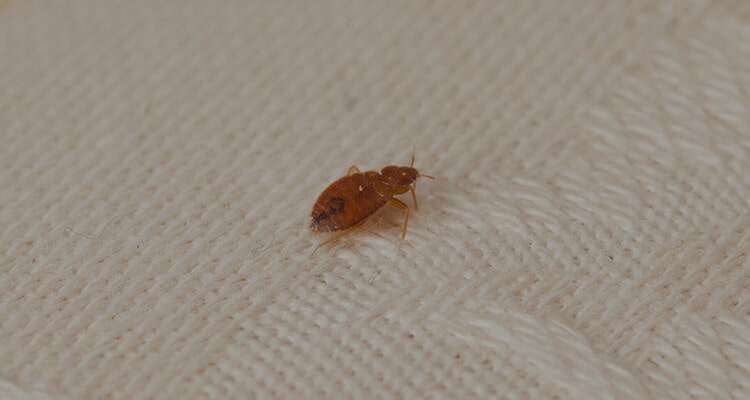
Spotting a flea infestation early is key to preventing it from spiralling out of control. The most obvious sign is, of course, seeing your pet scratch, bite, or groom excessively. However, because fleas move incredibly fast and are tiny (about 1–3mm), you might not spot them directly. Instead, look for “flea dirt” – small black or reddish-brown specks in your pet’s coat or on their bedding. A quick test: place the specks on a damp white tissue. If they turn red, that’s flea faeces (digested blood) – a definitive sign of infestation.
You might also notice unexplained red, itchy bites appearing on your own ankles or lower legs. The “white sock test” is a handy trick: put on a pair of white socks and walk slowly through your home. Fleas will jump onto the socks, making them easy to spot. Acting quickly at this stage is crucial, because a small infestation can explode into a major one within just a few weeks – a single female flea can lay up to 400 eggs per day.
Smart and Effective Flea Prevention Tips That Actually Work
Prevention is absolutely the most effective strategy when it comes to managing fleas health risks Australia. The good news is that modern veterinary products make flea prevention more effective than ever. Monthly spot-on treatments, oral flea prevention tablets, and flea collars designed specifically for Australian conditions provide excellent protection for most pets. Always consult your vet to find the product best suited to your pet’s age, weight, and health status – and never use dog flea treatments on cats, as some ingredients can be toxic to felines.
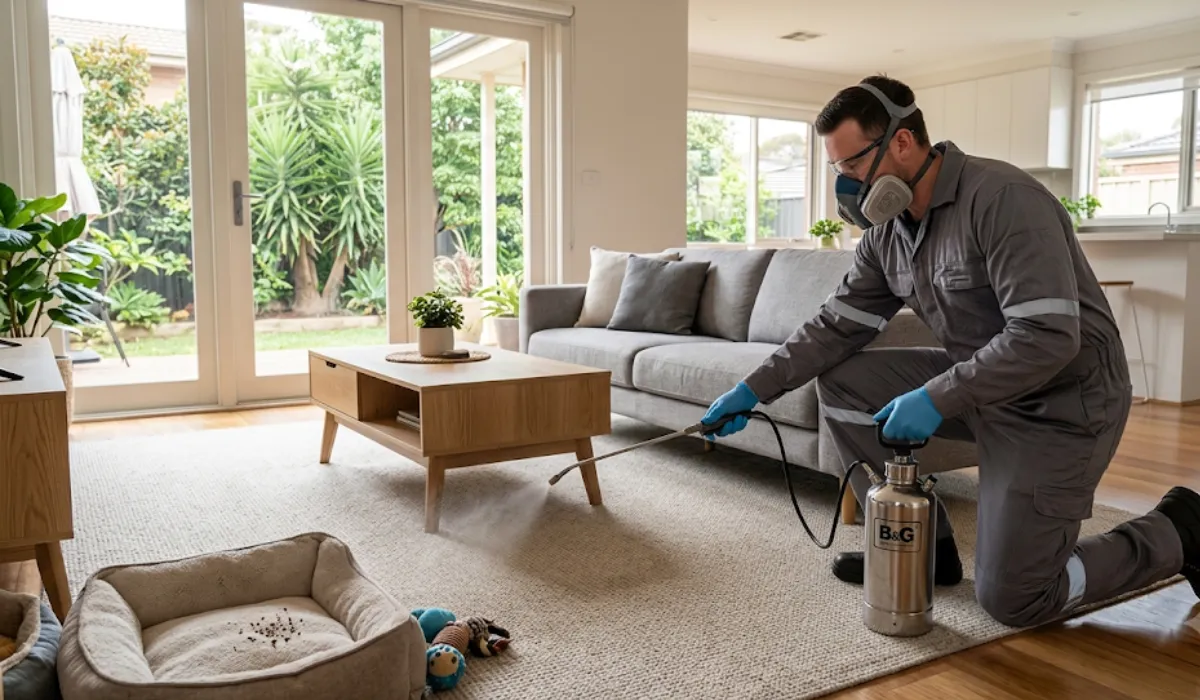
Beyond treating your pet directly, you also need to tackle your home environment. Vacuum carpets, rugs, and upholstered furniture thoroughly and frequently – and dispose of the vacuum bag outside immediately after. Wash your pet’s bedding in hot water weekly. Consider using an indoor flea spray or a professional pest control treatment for serious infestations. Outside, keep your lawn mowed short and remove leaf litter where fleas love to hide. Treating your yard with appropriate insecticides or beneficial nematodes can also significantly reduce flea populations. However, treating your pet alone is not enough. To achieve long-term results, you must focus on controlling fleas in your home through regular cleaning, vacuuming, and treating the environment.
- Use vet-recommended monthly flea prevention on all pets year-round
- Vacuum carpets and furniture at least twice a week during an active infestation
- Wash all pet bedding in hot water (above 50°C) weekly
- Treat the entire home, not just the pet – eggs and larvae live in carpets and cracks
- Mow your lawn regularly and clear leaf litter from yard edges
- Talk to your vet about combination treatments covering fleas AND tapeworm
When to See a Doctor or Vet: Don’t Ignore These Red Flags
While most flea bites on humans resolve on their own with antihistamines and topical anti-itch creams, there are situations where you should seek medical attention promptly. If you develop a high fever, severe headache, or a spreading rash after flea bites – especially in a region where murine typhus has been reported – see a doctor as soon as possible. Similarly, if a bite becomes increasingly red, swollen, warm, or starts to ooze, a bacterial infection may have set in and antibiotics may be required.
For your pets, contact your vet right away if you notice your pet becoming lethargic, pale around the gums, losing weight rapidly, or experiencing significant hair loss. These signs can indicate anemia, tapeworm infection, or severe flea allergy dermatitis – all of which require professional veterinary treatment. Early intervention genuinely makes a huge difference in your pet’s recovery time and overall health outcomes. Remember: your vet is your best ally in the fight against pet fleas danger.
Natural Remedies vs. Veterinary Treatments: What’s Safe and What’s Not
It’s completely understandable to want natural, chemical-free solutions – especially if you have young children or are concerned about your pet’s exposure to pesticides. Some natural options, like diatomaceous earth (food grade), can help reduce flea populations in the environment by physically damaging flea exoskeletons. Similarly, regular vacuuming, washing bedding in hot water, and keeping your yard tidy are genuinely effective non-chemical strategies worth combining with any treatment plan.
However, it’s important to be realistic: essential oils like tea tree oil, eucalyptus, or pennyroyal – often promoted as natural flea repellents – can actually be toxic to cats and dogs if used incorrectly. Garlic and onion-based remedies are similarly dangerous for pets. The bottom line? Natural remedies can complement a solid flea management plan, but they’re rarely sufficient on their own to address an active infestation or the serious flea diseases that come with it. Always consult your vet before trying any new treatment on your animal.
Important: Never use essential oils like tea tree or eucalyptus directly on cats. Even diluted amounts can cause toxicity. When in doubt, call your vet before applying any remedy to your pet.
The Bottom Line: Fleas Are a Serious Health Issue – But a Manageable One
Fleas might be tiny, but as we’ve clearly established, they pack an outsized punch when it comes to health risks. From irritating flea bites on humans to serious flea diseases like murine typhus, tapeworm infestations, and life-threatening anemia in pets – the fleas health risks Australia presents are genuinely significant and deserve your attention year-round.
The good news is that with the right combination of consistent pet treatment, thorough home management, and regular vet check-ups, you can keep your home flea-free and protect both your family and your furry companions. Don’t wait for an infestation to get out of control – start your flea prevention routine today, and give those tiny terrors absolutely nowhere to hide.
If you suspect a flea infestation in your home, don’t wait for it to get worse – act today. True Pest Control offers fast, safe, and effective flea treatments for homes and businesses right across Australia, with same-day service available and pet-safe solutions you can trust. Call us now on 0480 022 718 or get a free quote online – and enjoy 10% off all pest control services when you book today.