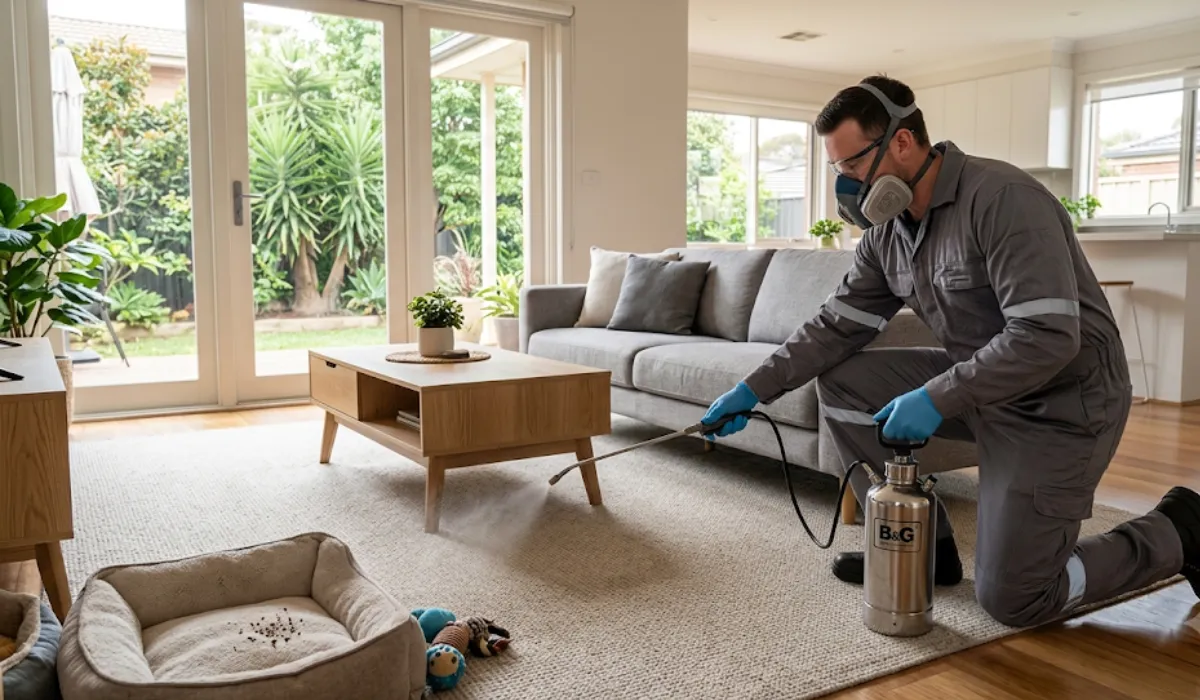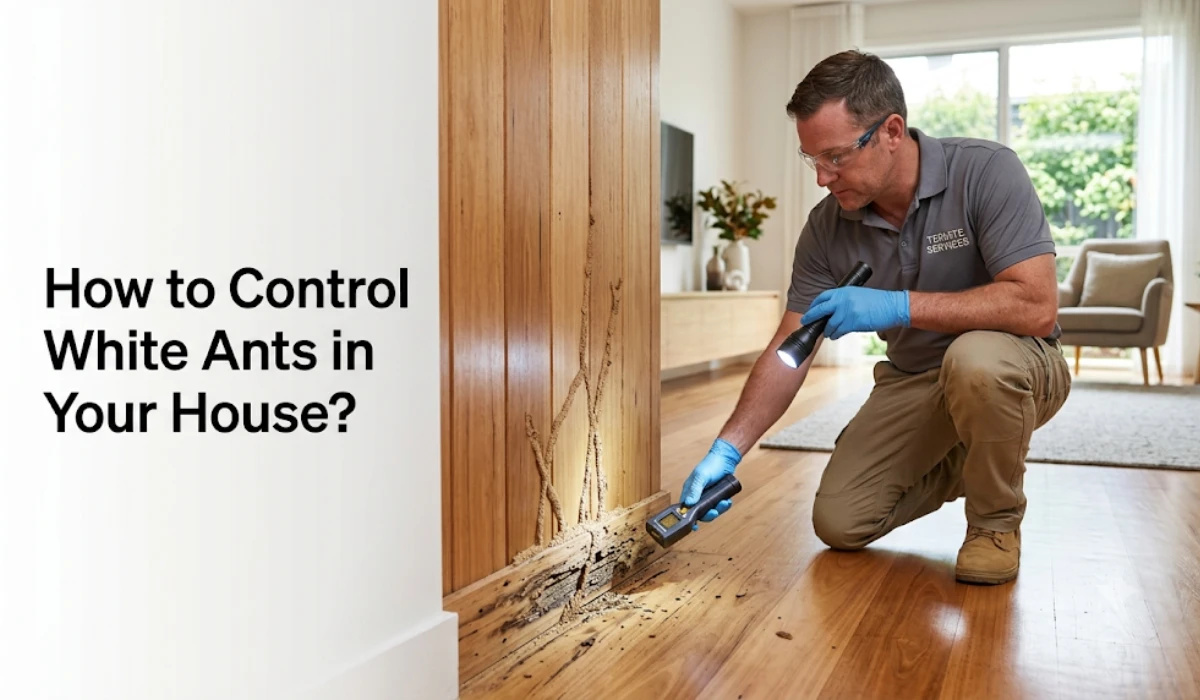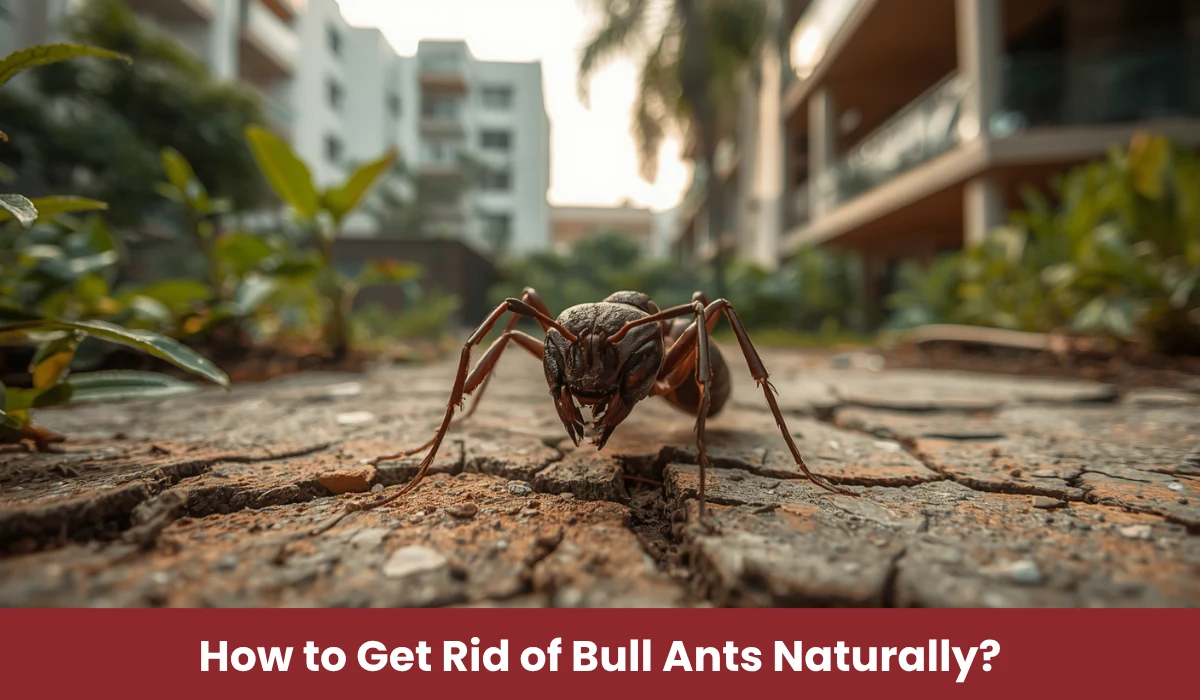
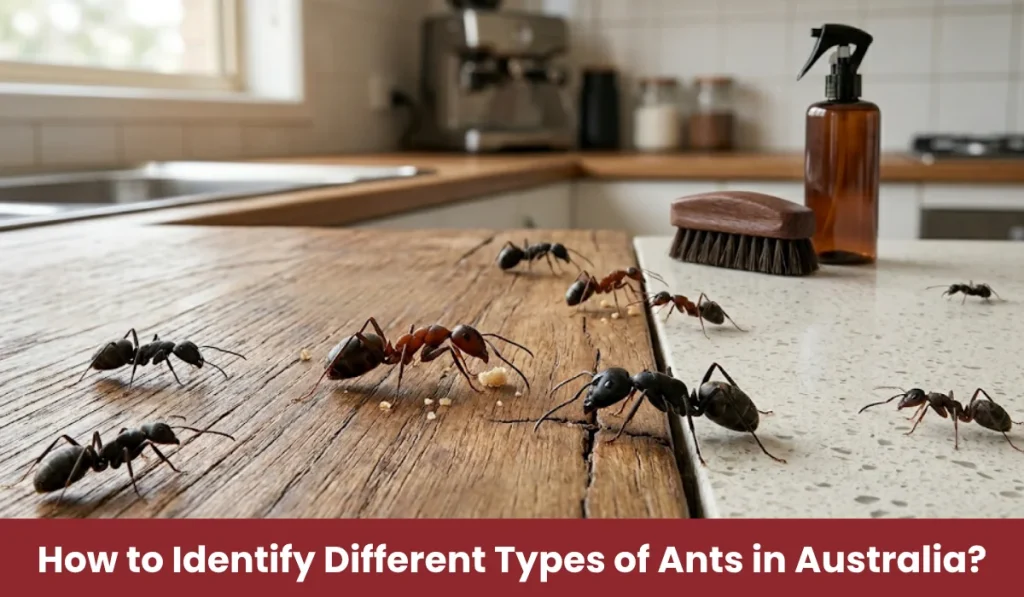
Ants may be small, but they can create surprisingly big problems in homes across Australia. Whether you’re dealing with a kitchen invasion or noticing trails in your backyard, proper ants identification Australia is the first step toward effective control. After all, not all ants behave the same—and treating them incorrectly can make things worse.
In this guide, we’ll break down the most common types of household ants Australia, show you how to identify them, and help you take the right action quickly. Let’s dive in.
Why Ant Identification Matters More Than You Think?
Before jumping into treatment, it’s crucial to understand why ant pest identification Australia is so important. Different ant species have different nesting habits, food preferences, and damage levels. Therefore, using a one-size-fits-all solution rarely works.
For instance, some ants are attracted to sugar, while others prefer protein or grease. Meanwhile, certain species like carpenter ants Australia can even damage wooden structures. So, identifying the type correctly helps you choose targeted pest control methods and avoid recurring infestations.
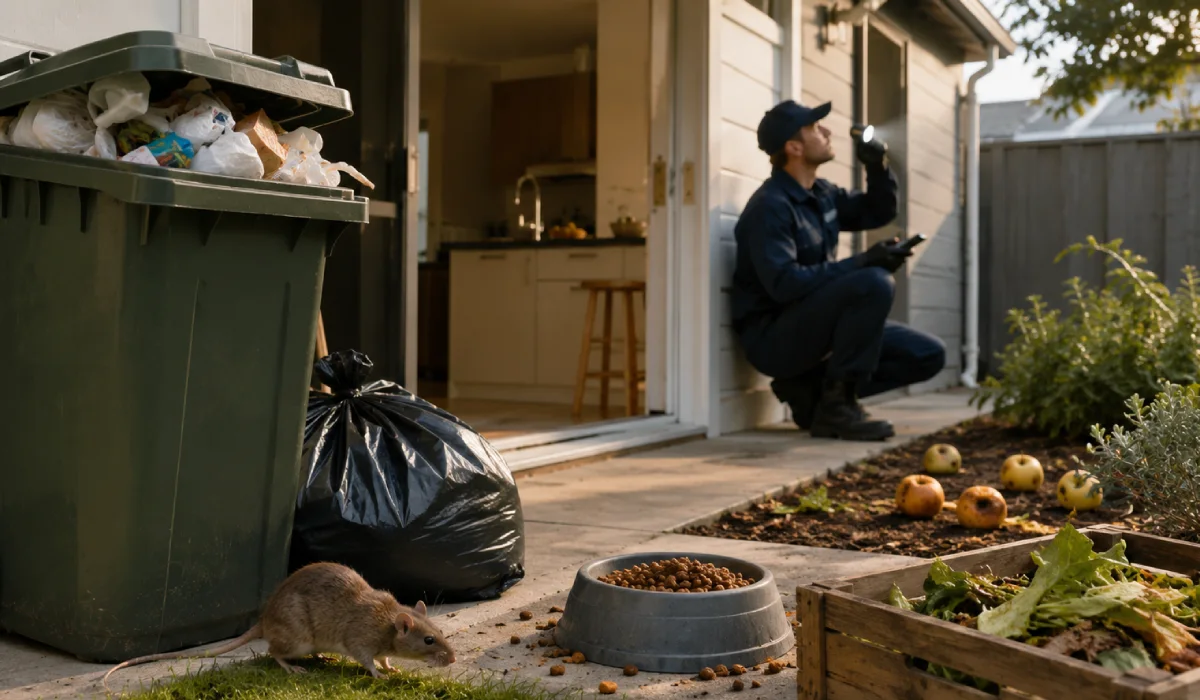
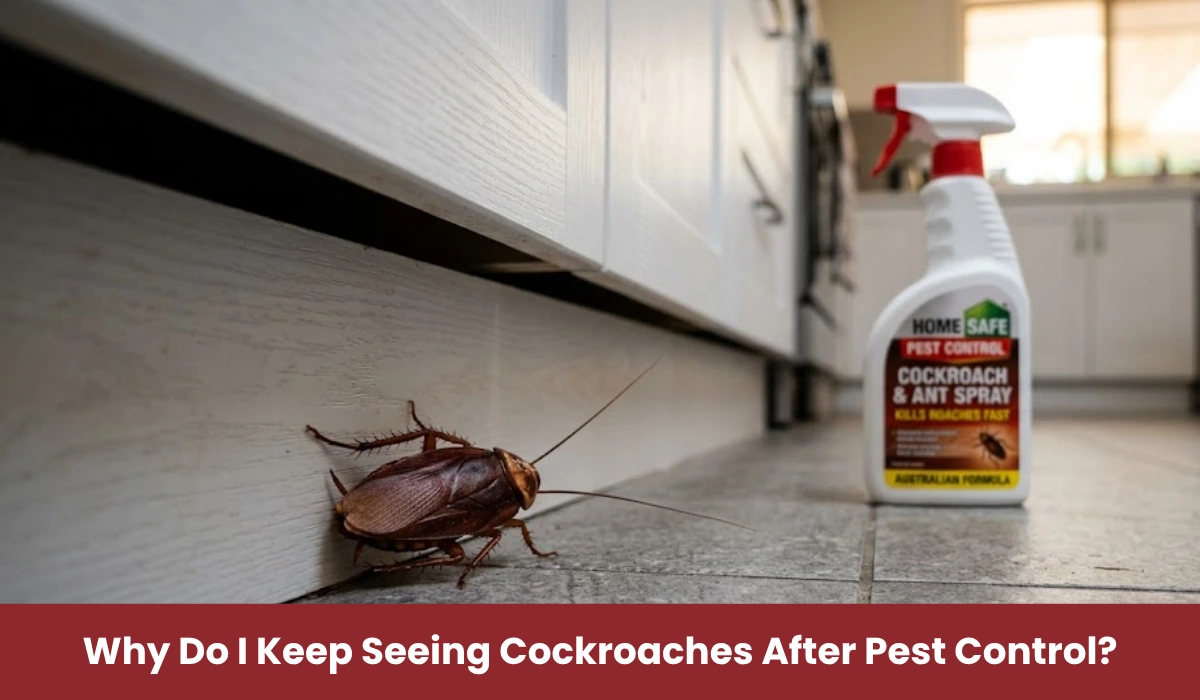
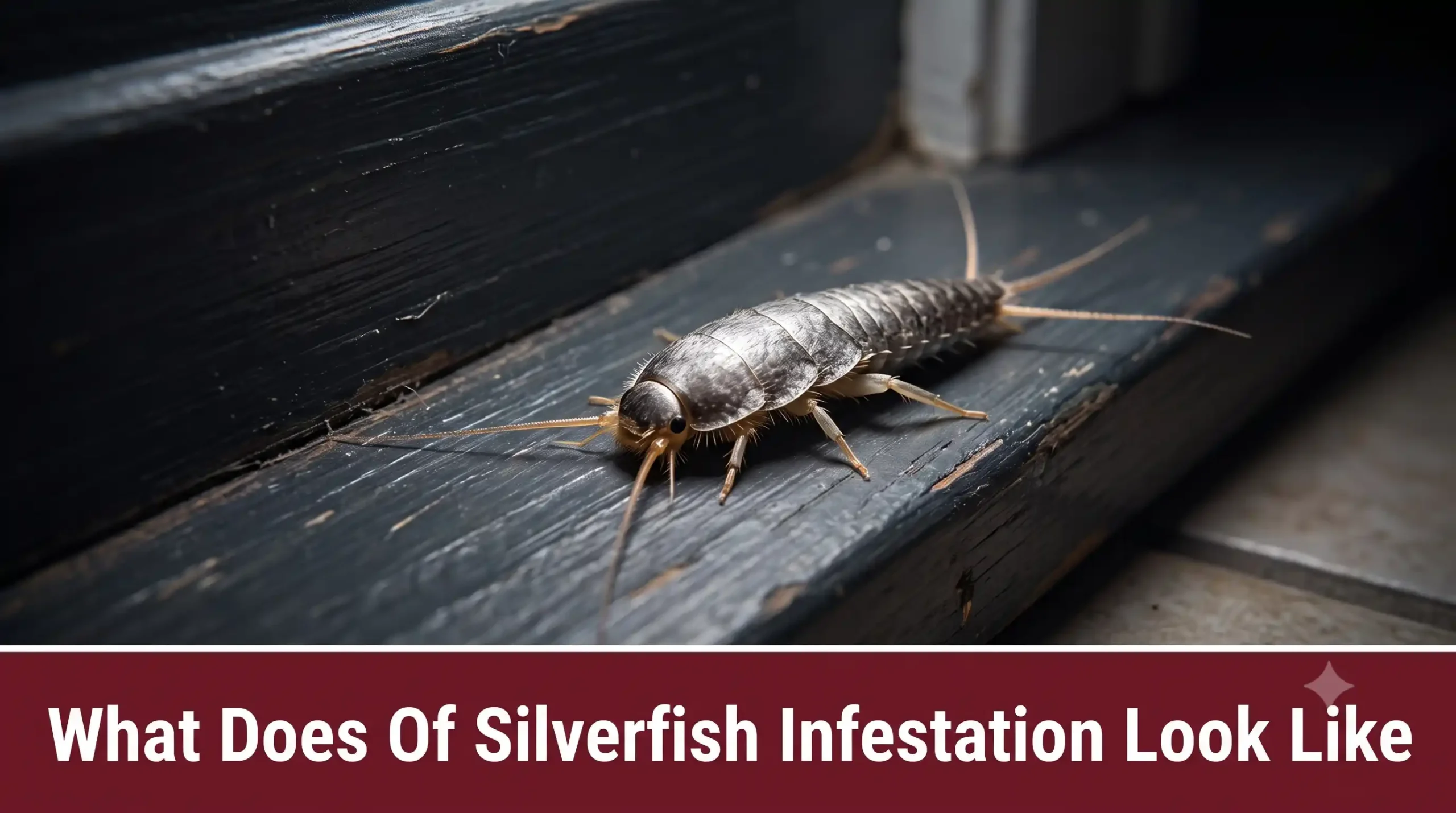
In many cases, homeowners ignore early warning signs, which later turn into serious infestations. If you’re unsure, it’s worth checking the signs you need professional pest control in Australia to avoid bigger issues.
Common Signs You Have an Ant Problem
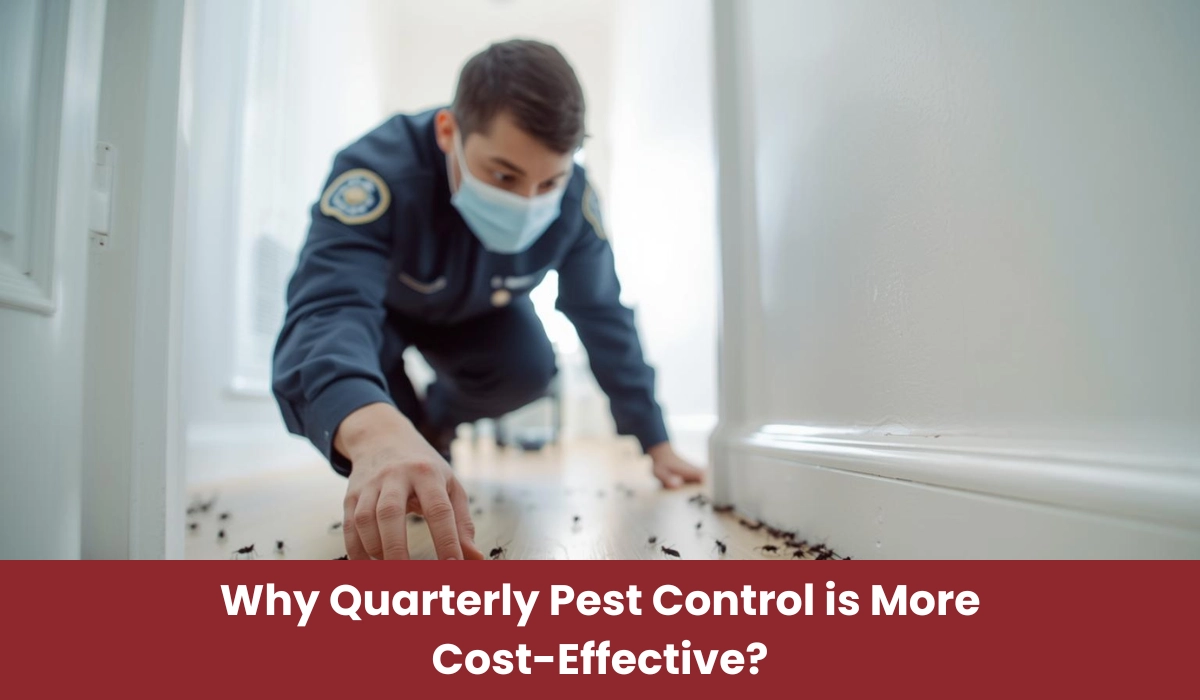
Spotting ants occasionally is normal. However, frequent sightings often signal a larger infestation. So, what should you look for?
Firstly, visible ant trails are a clear sign. These trails usually lead to a food source or nest. Secondly, you may notice small piles of dirt or debris, especially near walls or floors. Additionally, hearing faint rustling sounds inside wooden structures could indicate carpenter ants Australia.
In short, recognizing these early signs allows you to act before the infestation spreads further.
Sugar Ants: The Sweet-Toothed Intruders
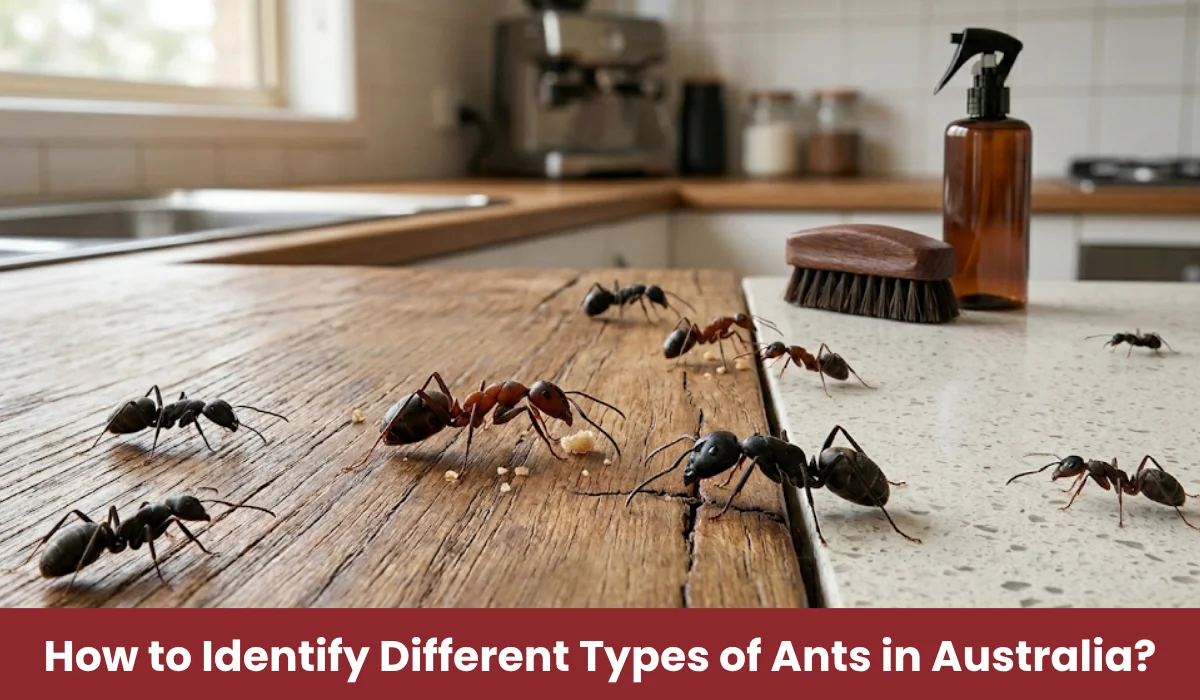
One of the most common types of household ants Australia is the sugar ant. These ants are typically small to medium-sized and vary in color from black to orange.
As their name suggests, sugar ants Australia are attracted to sweet foods. You’ll often find them around kitchen counters, pantries, or even pet food bowls. Because of their strong sense of smell, they quickly locate sugary spills and crumbs.
Moreover, sugar ants are persistent. Even after cleaning, they may return if their scent trail remains. Therefore, proper cleaning and sealing entry points are essential for control. If you’re already dealing with an infestation, you can explore how to get rid of ants in Australia for practical solutions.
Carpenter Ants: Silent Destroyers of Wood
Unlike termites, carpenter ants don’t eat wood—but they do excavate it to build nests. This makes carpenter ants Australia particularly dangerous for homeowners.
Typically, these ants are larger and often black or dark brown. You might find them in damp or decaying wood, such as window frames, roof voids, or wooden furniture. Over time, their tunneling can weaken structures significantly.
Additionally, carpenter ants are more active at night. So, if you notice large ants wandering indoors after dark, it’s worth investigating further.
Black House Ants: The Everyday Nuisance
Black house ants are among the most widespread ants in Australia. They are small, black, and commonly found both indoors and outdoors.
These ants are opportunistic feeders. While they prefer sweets, they also consume proteins and greasy foods. As a result, they can invade kitchens, garbage areas, and even bathrooms.
Although they don’t cause structural damage, their sheer numbers make them a major nuisance. Therefore, early ant pest identification Australia helps prevent large colonies from forming.
Coastal Brown Ants: Aggressive Outdoor Colonies
Coastal brown ants are another common species, especially in warmer regions. They are light brown and form large colonies in soil.
Interestingly, these ants can be quite aggressive. They often build nests in lawns, garden beds, and under paving. As a result, they can disrupt outdoor areas and even invade homes during extreme weather.
Furthermore, their colonies can spread quickly. So, identifying them early helps prevent widespread infestations around your property.
Fire Ants: Dangerous and Painful Pests
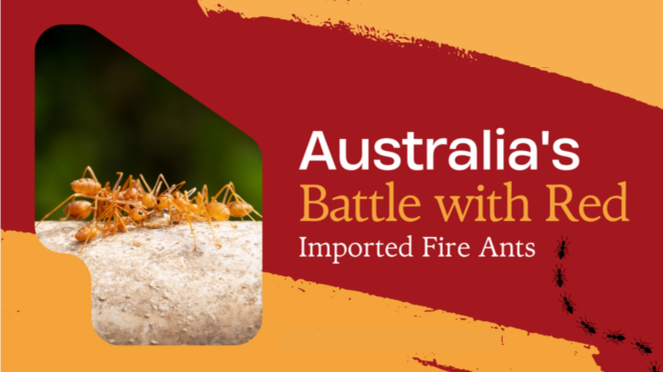
Fire ants are one of the most concerning species in Australia due to their painful stings. They are reddish-brown and typically found in mounds outdoors.
Unlike other ants, fire ants can pose health risks. Their stings cause burning sensations and, in some cases, allergic reactions. Therefore, identifying them correctly is crucial for safety.
If you suspect fire ants, it’s best to avoid disturbing them and seek professional pest control immediately.
Key Features to Identify Ant Species
Now that you know the common types, let’s focus on practical identification tips. Accurate ants identification Australia involves observing a few key features.
Firstly, look at size and color. Different species vary significantly in appearance. Secondly, observe behavior—are they active at night or day? What food are they attracted to? Lastly, check nesting locations, such as soil, wood, or walls.
By combining these observations, you can narrow down the species and choose the right treatment approach.
DIY vs Professional Ant Identification
Many homeowners attempt DIY identification. While this can work for common species like sugar ants Australia, it’s not always reliable.
For example, misidentifying carpenter ants Australia as harmless ants can lead to serious structural damage over time. Similarly, confusing fire ants with other species can be risky.
Therefore, when in doubt, consulting a pest control expert ensures accurate ant pest identification Australia and effective treatment.
Prevention Tips to Keep Ants Away
Prevention is always better than cure. Fortunately, there are several simple steps you can take to reduce the risk of infestations.
Start by keeping your home clean. Wipe surfaces regularly and store food in sealed containers. Next, seal cracks and gaps around doors, windows, and walls. Additionally, fix any moisture issues, as some ants are attracted to damp areas.
By following these steps, you can significantly reduce the chances of ants entering your home.
Seasonal Ant Activity in Australia
Ant activity varies throughout the year. In warmer months, ants are more active and likely to invade homes in search of food and water.
During colder months, they tend to stay hidden in nests. However, indoor heating can sometimes attract them inside. Therefore, consistent monitoring is essential year-round.
Understanding seasonal behavior helps you stay one step ahead and maintain a pest-free environment.
Final Thoughts: Know Your Enemy to Win the Battle
In conclusion, proper ants identification Australia is the foundation of effective pest control. By understanding the different types of household ants Australia, you can take targeted action and prevent future infestations.
From harmless nuisances like sugar ants Australia to destructive species like carpenter ants Australia, each type requires a specific approach. So, take the time to observe, identify, and act accordingly.
When needed, don’t hesitate to seek professional help. After all, the sooner you identify the problem, the easier it is to solve.
Take Action Today – Get Rid of Ants for Good!
Still unsure about the type of ants invading your home? Don’t let the problem grow bigger. Expert help can save you time and stress.
Visit True Pest Control today and get professional assistance for accurate ant pest identification Australia and effective treatment solutions.
✔ Fast inspection
✔ Targeted pest control
✔ Long-lasting results
Take the first step toward an ant-free home now! 🐜🔥