You’re lying in bed, the house is quiet, and then it starts – a scratching, scurrying, or heavy thudding sound coming from directly above your head. Your first thought is usually the same as everyone else’s: what on earth is up there?
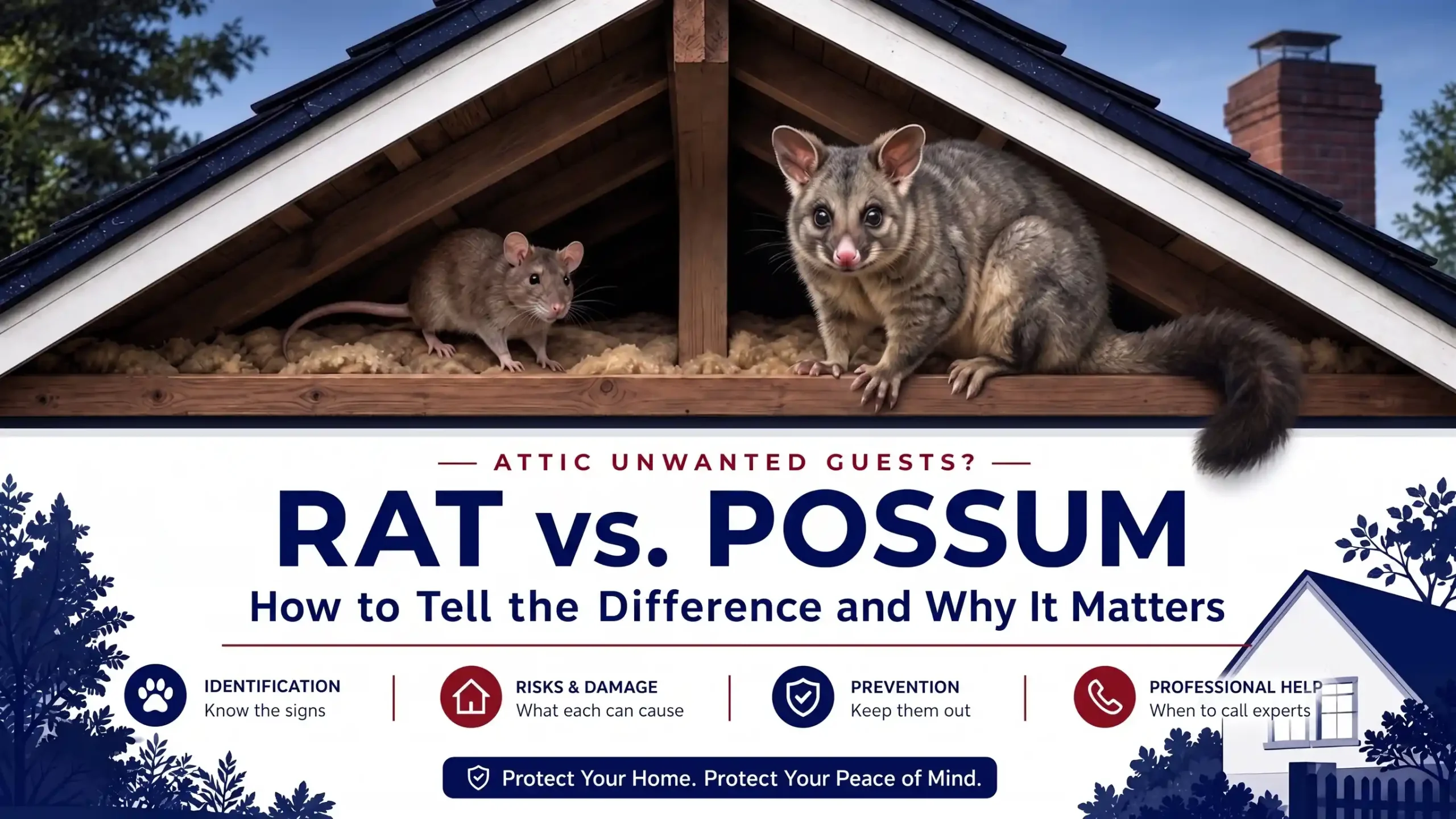
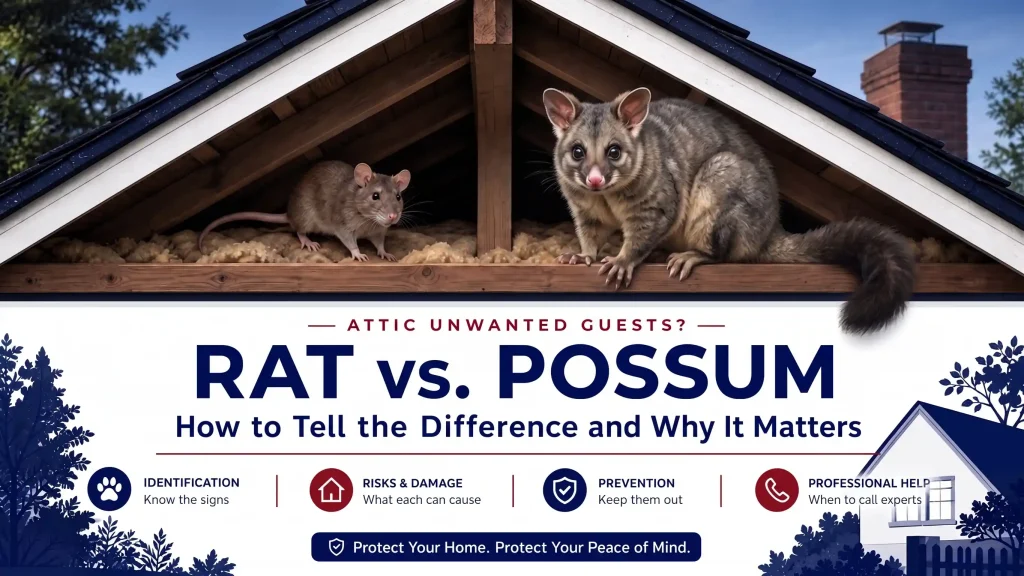
In Australia, the two most likely suspects are rats and possums. Both love the warmth and shelter of a roof cavity, both are most active at night, and both can cause real damage if left alone. But they’re not the same problem. Rats breed fast, chew wiring, and spread disease. Possums are native wildlife protected by law, which means you can’t simply trap or remove one yourself.
Getting the identification right matters – for your safety, your wallet, and to make sure you don’t accidentally break the law. This guide walks you through exactly how to tell the difference, using the sounds, droppings, damage, and behaviour patterns that give each animal away.
Rat vs Possum: Quick Comparison Table
Here’s a snapshot to help you narrow things down before we go into detail.
| Feature | Rats | Possums |
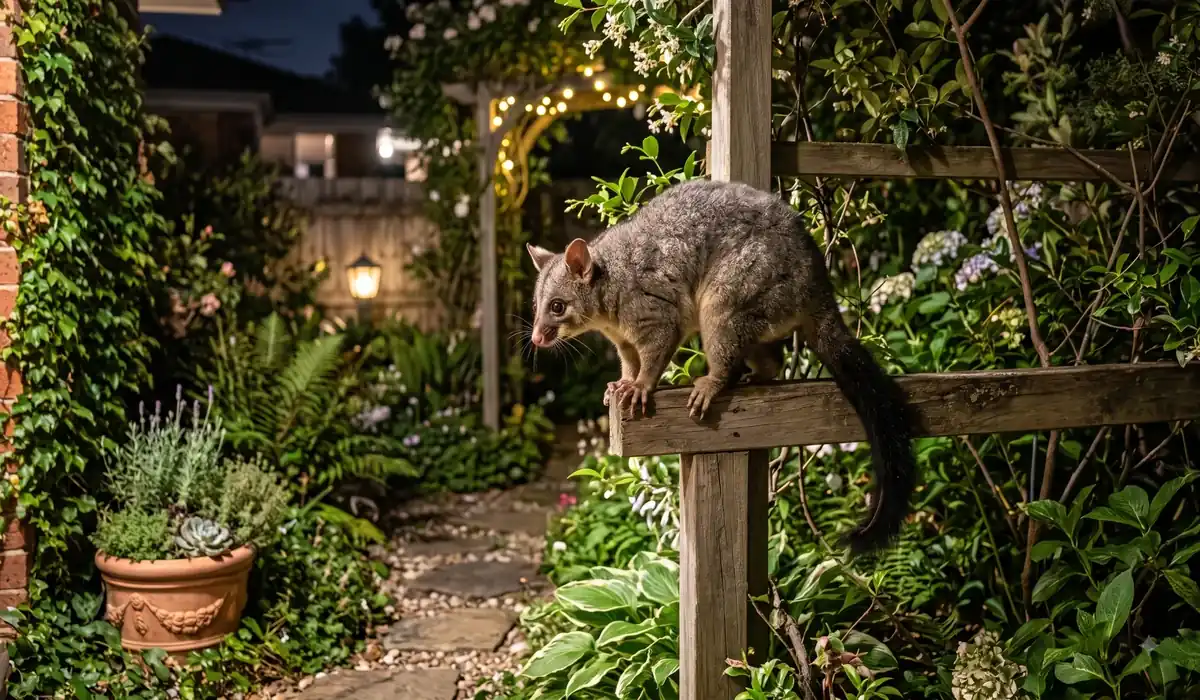
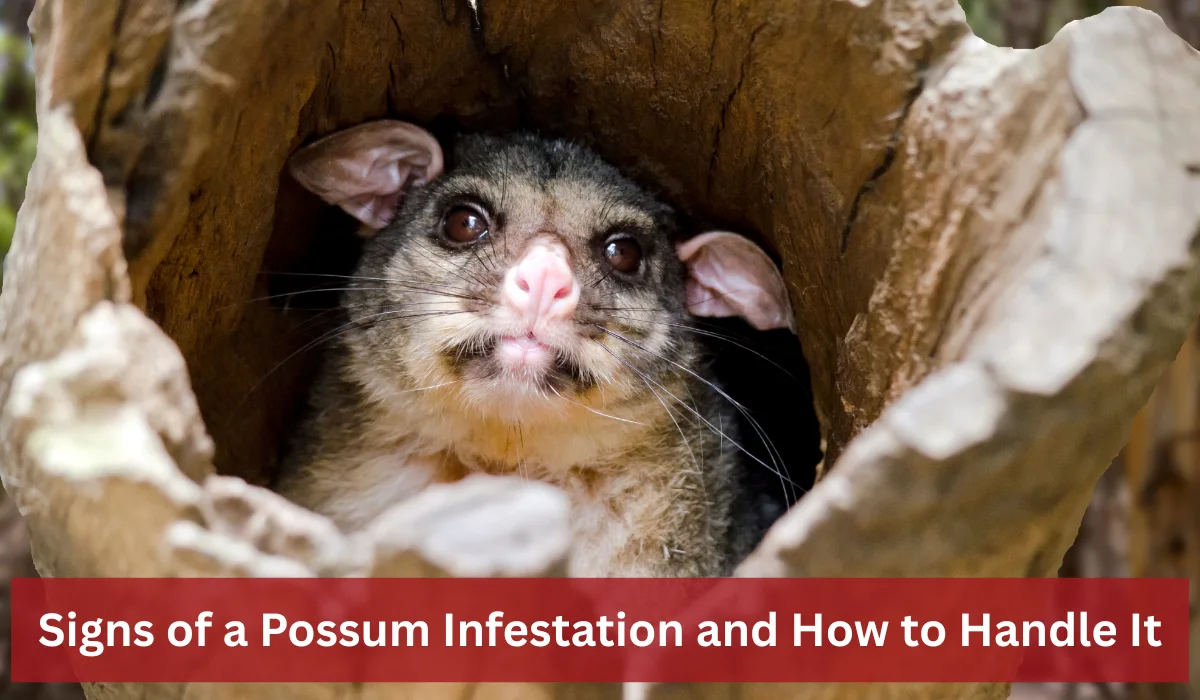
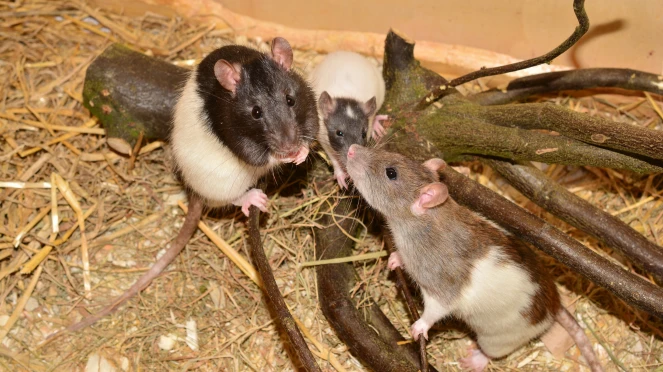
| Size | Medium rodent, slim body, long hairless tail | Cat-sized marsupial, bushy tail, thick fur |
| Common noise | Fast scratching, scurrying, gnawing | Heavy thumping, dragging, hissing or growling |
| Activity pattern | Active on and off all night | Leaves at dusk, returns before dawn |
| Droppings | Small, rice-grain sized, pointed ends, scattered | Larger, cylindrical, blunt ends, clustered |
| Entry points | Gaps as small as a 20-cent coin | Gaps around 7–10cm wide |
| Legal status | Not protected – can be treated as a pest | Protected native wildlife in Australia |
| Main risk | Chewed wiring, disease, fast breeding | Structural damage, urine stains, odour |
If you’d like a deeper dive into either animal specifically, our guides on signs of a rat infestation and signs of a possum infestation cover each one in more detail.
Signs You Have Rats in Your Roof
Rat Noises
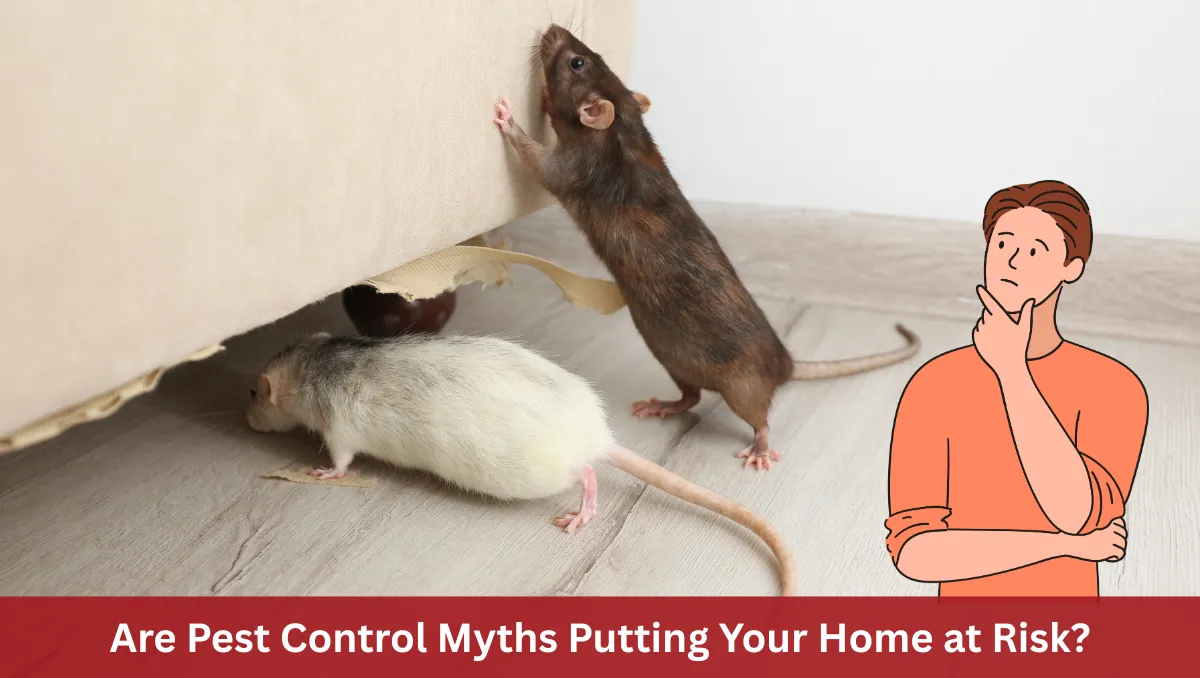
Rats are quick and constant movers. You’ll typically hear light scratching, scurrying, and gnawing sounds that seem to move around rather than stay in one spot. Because rats are opportunistic feeders, they can be heard at almost any time of night, and the noise often gets louder as the colony grows.
Rat Droppings
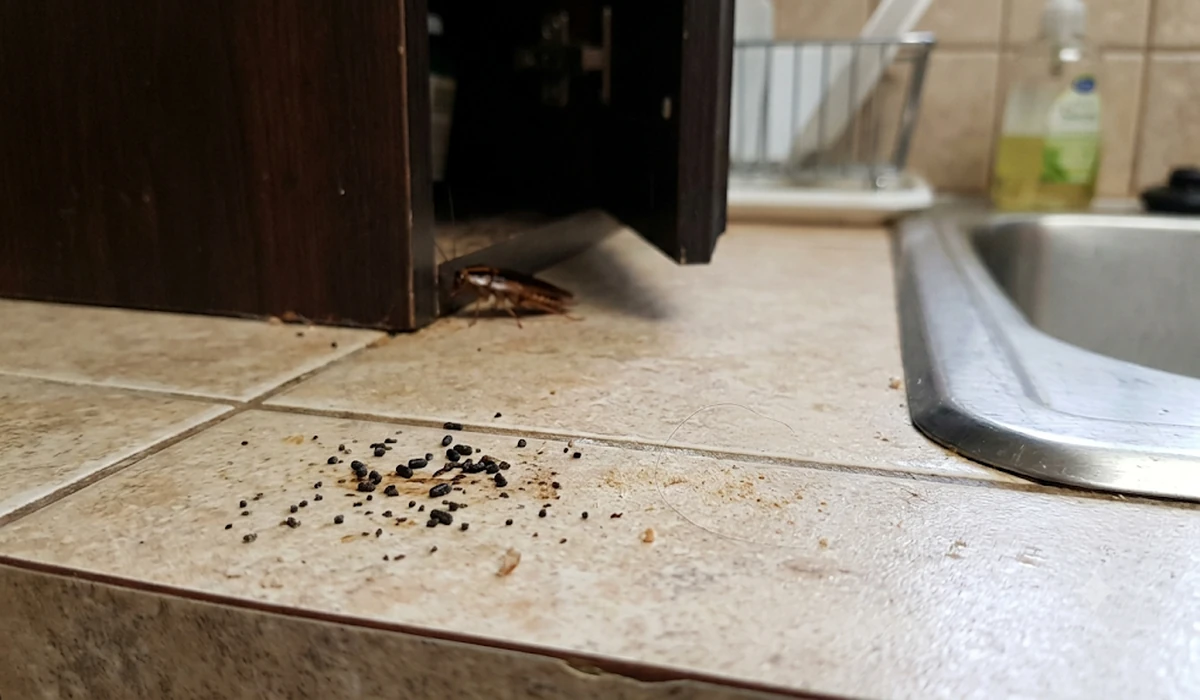
Rat droppings are small – roughly the size of a grain of rice – with pointed ends. They’re usually dark brown to black and scattered along the paths rats travel, rather than grouped in one place. If you want to be certain you’re not actually dealing with mice, our comparison on what rat poop looks like compared to mouse poop breaks down the size and shape differences clearly.
Rat Damage
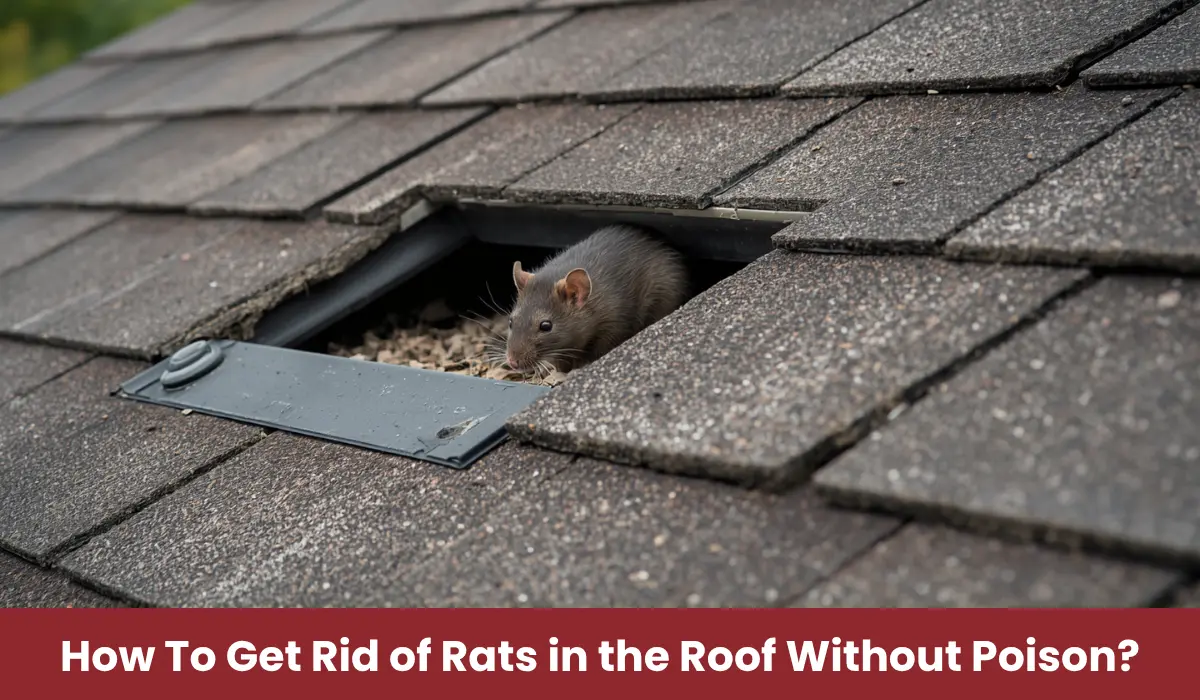
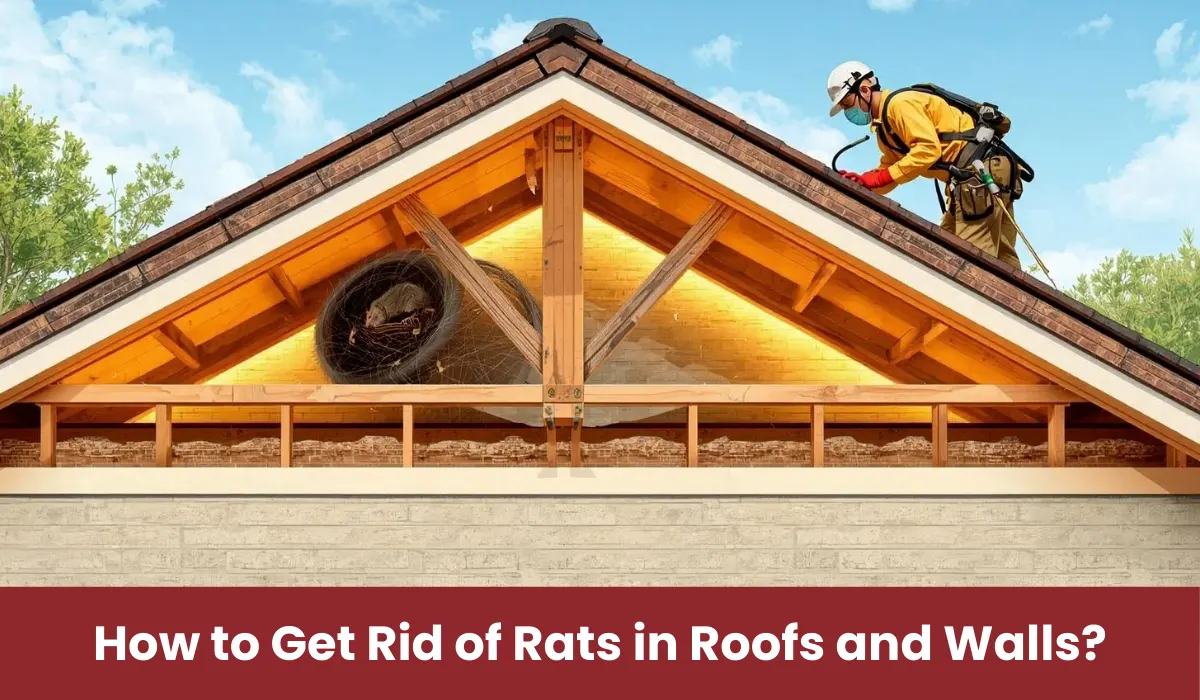
Rats have teeth that never stop growing, so they gnaw constantly to keep them worn down. This means chewed timber, damaged insulation, and – most concerning – chewed electrical wiring, which is a genuine fire risk in ceiling spaces. If you’re already noticing these signs, our guide on how to get rid of rats in roofs explains the removal process in more detail.
Signs You Have a Possum in Your Roof
Possum Noises
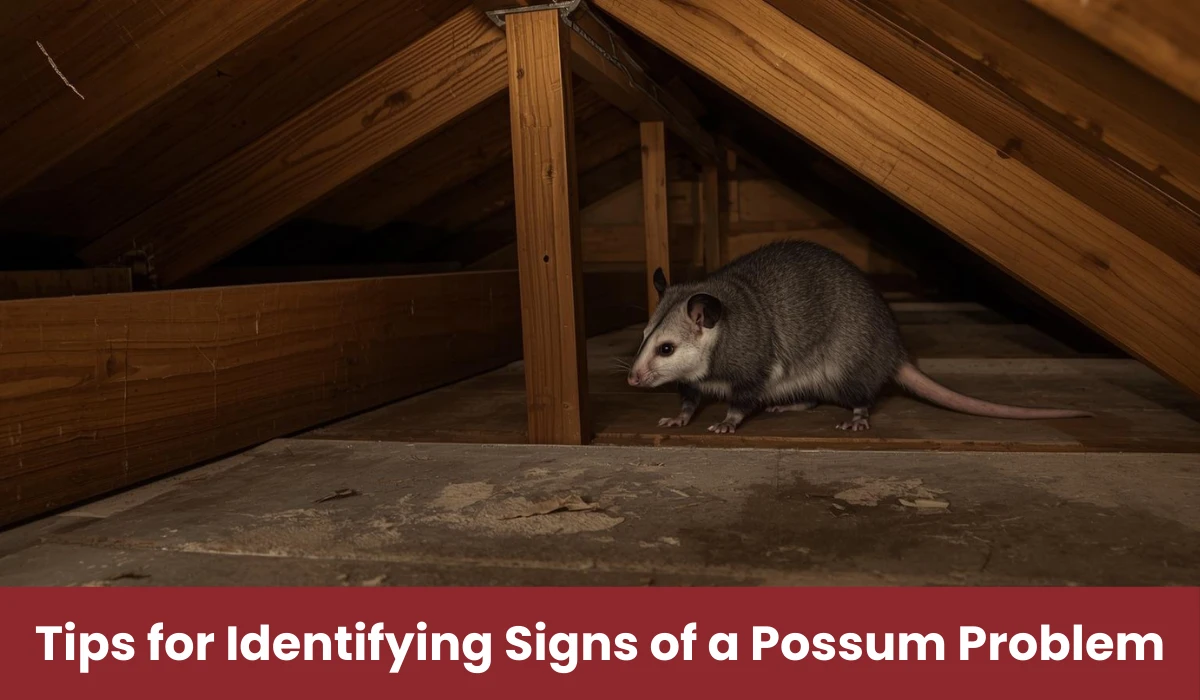
Possums are heavier and clumsier than rats, so they sound like it. Expect loud thumping as they move across the ceiling, dragging noises as they shift nesting material, and the occasional hiss or growl if they feel threatened. Unlike rats, possums tend to follow a predictable schedule – heading out to forage shortly after dusk and returning just before sunrise.
Possum Droppings
Possum droppings are noticeably bigger than rat droppings, cylindrical in shape with blunt (rather than pointed) ends. They’re usually found clustered near the spot where the possum sleeps, rather than spread throughout the roof.
Possum Damage
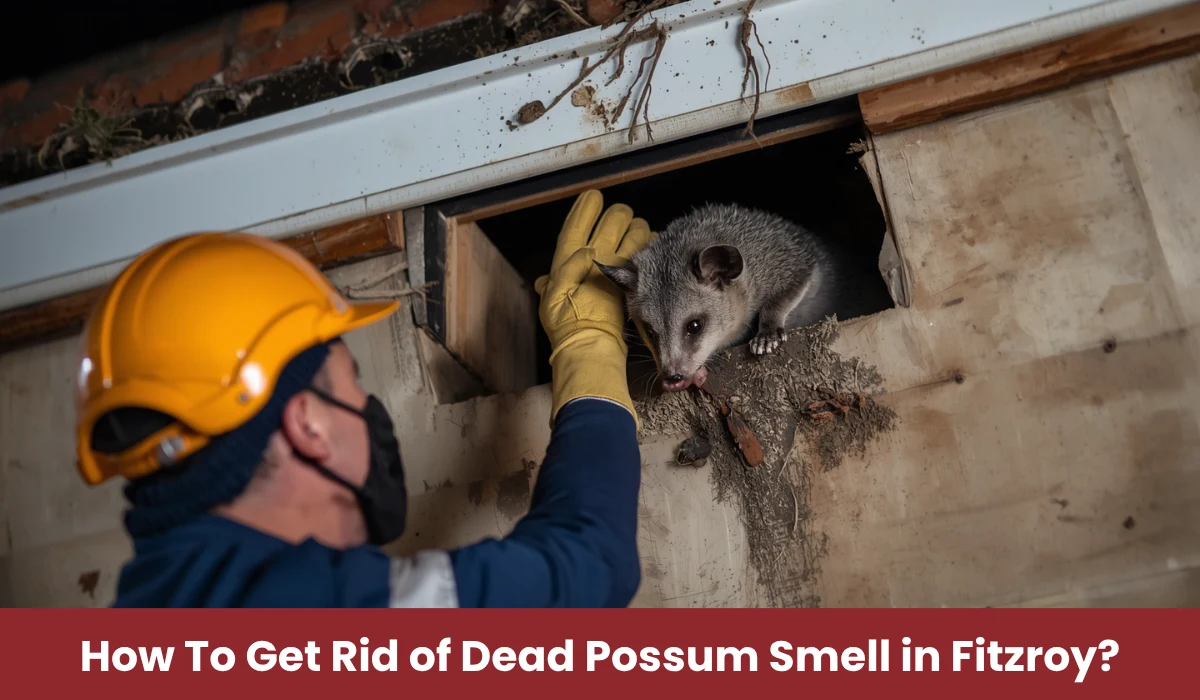
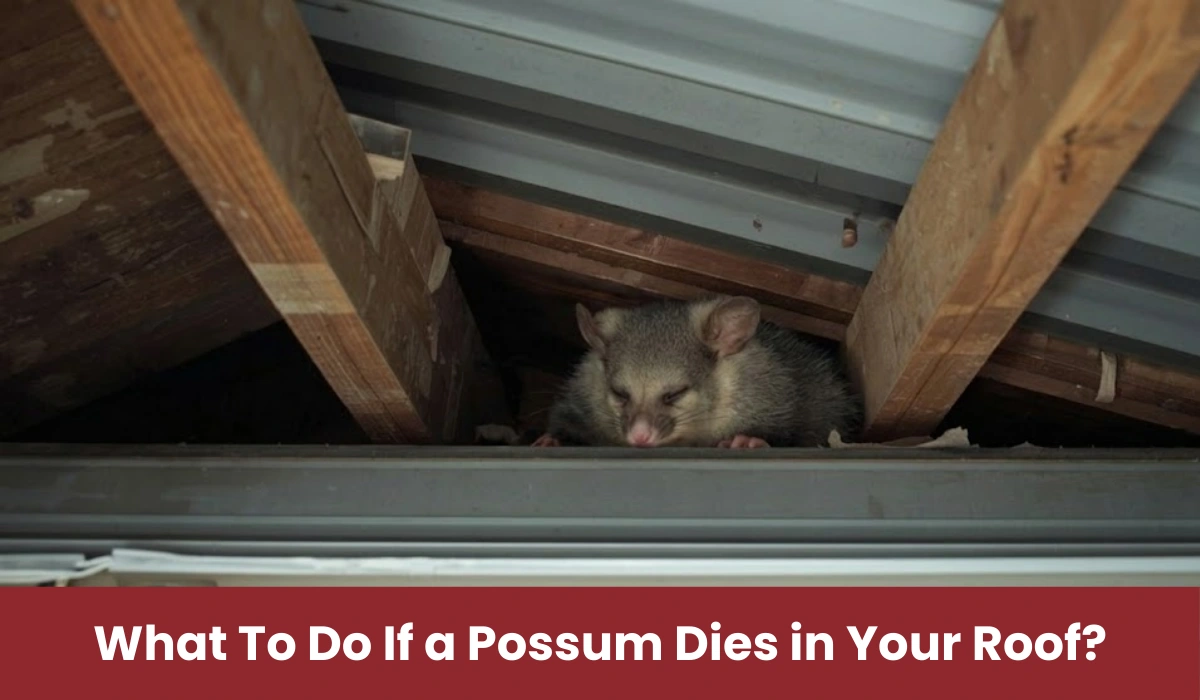
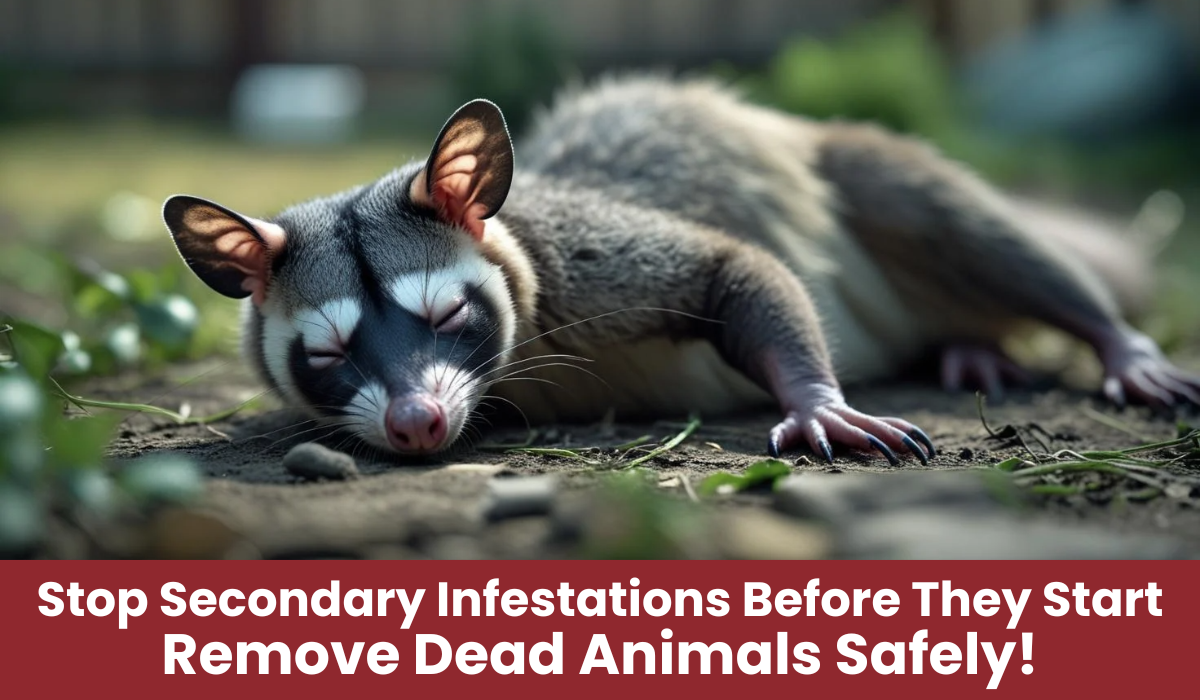
Possums don’t chew wiring the way rats do, but they cause damage in other ways. Their urine can soak into insulation and plasterboard, leaving strong odours and ceiling stains. They can also push insulation around while nesting, and force their way in through weak points around the roofline. If a possum has passed away in your roof, that’s a separate and urgent problem – our article on what to do if a possum dies in your roof covers how to handle it safely.
Noise, Droppings, Damage & Behaviour: A Closer Look
Sound and Timing
Rat noises tend to be fast, light, and unpredictable – think scurrying feet and gnawing rather than heavy footsteps. Possums, on the other hand, are creatures of habit. If you hear the same heavy thump at roughly the same time every evening, followed by quiet until just before dawn, that pattern points strongly to a possum rather than a rat.
Droppings and Odour
Size is the easiest way to tell droppings apart. Rat droppings are small and scattered, while possum droppings are larger and grouped. Smell is another clue: rats leave a sharp, ammonia-like scent from frequent urine marking, while possum urine tends to produce a heavier, muskier odour that lingers in insulation.
Damage Patterns
Rats are the ones to worry about when it comes to fire risk, since chewed wiring is one of their calling cards. Possums are more likely to cause structural and hygiene issues – pushed insulation, stained ceilings, and damaged roof vents from forcing their way in and out.
Behaviour and Entry Points
Rats can squeeze through gaps as small as a 20-cent coin and often enter through damaged vents, gaps around pipes, or overhanging branches. Possums need a slightly wider opening – generally 7–10cm – but they’re strong enough to force weak fascia boards or loose tiles apart to get in.
Health & Property Risks
Both animals bring real risks, just different ones.
Rats are known to carry and spread diseases such as salmonella and leptospirosis through their droppings and urine. Their constant gnawing on electrical wiring is a genuine fire hazard, and because they breed quickly, a small problem can turn into a serious infestation within months.
Possums carry a lower disease risk to humans, but their urine and droppings can create persistent odours, stain ceilings, and contribute to mould if moisture builds up in wet insulation. They can also introduce fleas or mites into the roof space. Because possums are protected under Australian wildlife law, you can’t legally trap, harm, or relocate one without the right approach – attempting to do so yourself can land you in legal trouble.
Given these differences, professional rodent control uses a very different approach to possum management, which is exactly why correct identification comes first.
Prevention Tips
Whether you’re dealing with rats, possums, or trying to stop either from moving in, most prevention strategies come down to the same basics:
- Trim overhanging branches – trees close to the roofline are the easiest access route for both animals.
- Seal gaps and damaged vents – check eaves, roof tiles, and pipe penetrations for openings.
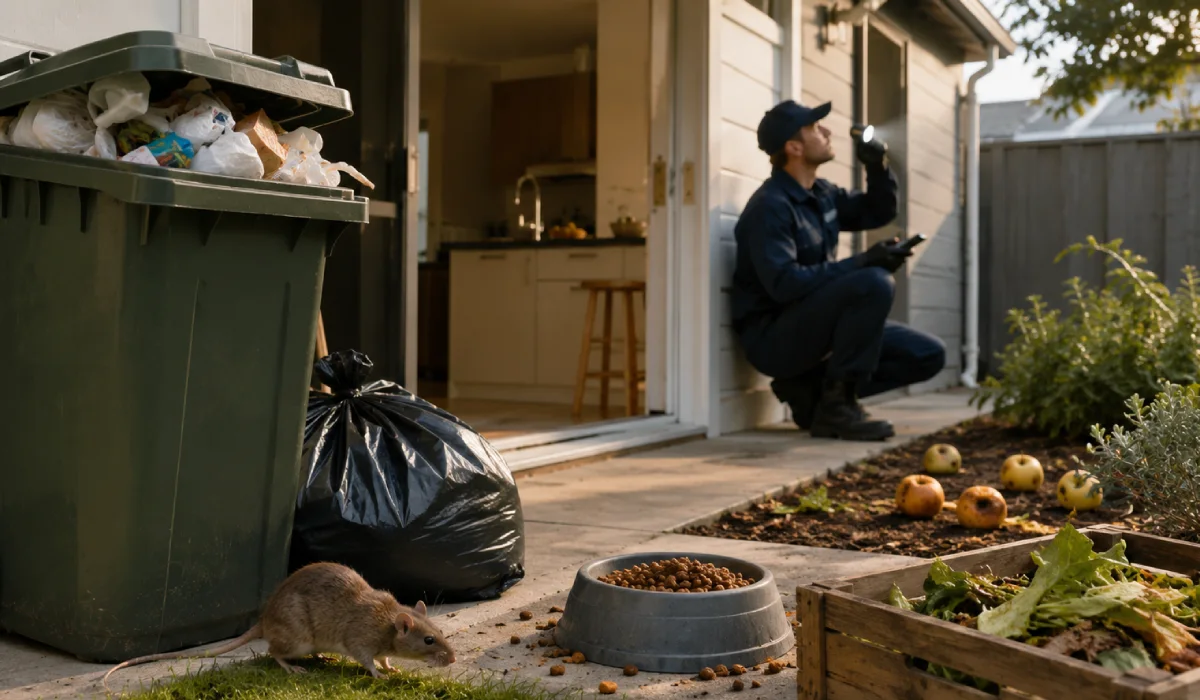
- Secure food sources – keep bins closed, pet food indoors, and fruit trees managed.
- Install gutter guards – this removes one of the most common entry points into the roof space.
- Inspect regularly – a torch check every few months can catch early signs before they become a full infestation.
- Get a professional inspection – especially if you’ve heard noises but can’t identify a clear pattern yet.
What to Do If You’re Still Not Sure?
If you’ve listened for noises, checked for droppings, and you’re still not confident whether it’s a rat or a possum, that’s completely normal – the signs can overlap, especially in a roof space you can’t easily access. At that point, the safest and most reliable option is a professional inspection.
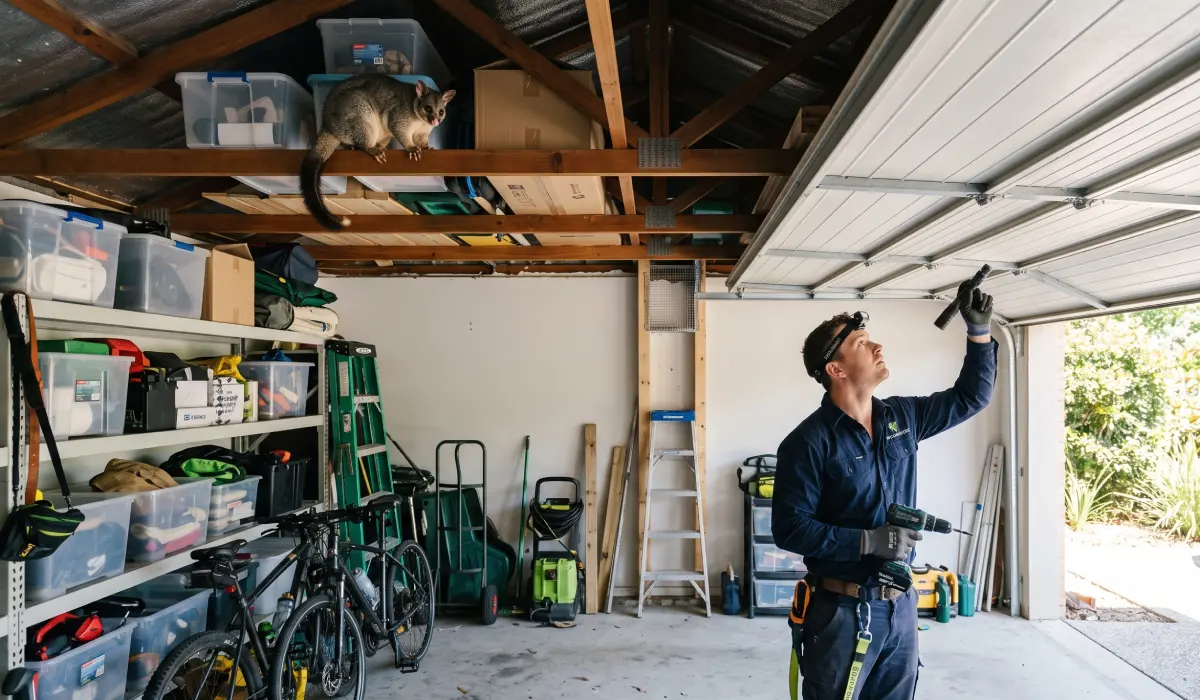
The team at True Pest Control carries out roof inspections across Australia to confirm exactly what you’re dealing with before recommending treatment. If it turns out to be rats, our rat control Melbourne service handles the removal and proofing. If it’s a possum, our possum removal Melbourne team follows the correct legal process using one-way exit doors and humane exclusion. And if you’re dealing with an animal that has already passed away in the roof, our dead animal removal service handles the safe removal and clean-up.
Getting a qualified pest control technician to have a look is almost always faster – and safer – than guessing.
FAQs
Ques 1. Can rats and possums live in the same roof at the same time?
Ans: Yes, it’s possible, though not common. If you’re hearing two distinct types of noise – fast scurrying and heavy thumping – it’s worth getting an inspection to check for both.
Ques 2. Is it illegal to remove a possum from my roof myself?
Ans: Yes. Possums are protected native wildlife in Australia, and trapping, harming, or relocating one without following the correct legal process can result in penalties. A experienced technician can install a one-way exit door to remove them humanely.
Ques 3. Do rats or possums cause more damage to a house?
Ans: Rats pose a greater fire risk due to chewed wiring, while possums tend to cause more structural and hygiene damage through urine staining and disturbed insulation. Both can be costly if left untreated.
Ques 4. What smell indicates a possum versus a rat?
Ans: Rats tend to leave a sharp, ammonia-like smell from frequent urine marking. Possums produce a heavier, musky odour that’s often described as earthy or damp.
Ques 5. How can I check without going into the roof myself?
Ans: A simple trick many pest technicians use is leaving an apple near the manhole overnight. Possums tend to bite clean chunks out of it, while rats leave smaller gnaw marks. A torch check from the manhole opening can also reveal droppings or fur.
Ques 6. Are baby rats or possums easy to identify by sound?
Ans: Not always. Young animals of either species can make lighter, less distinct noises than adults, which is one reason noise alone isn’t always a reliable identifier.
Ques 7. Will possums leave on their own if I wait it out?
Ans: Sometimes, but it’s not guaranteed, and they may return once the weather cools again. A one-way exit door is a more reliable long-term solution than waiting.
Ques 8. How quickly should I act once I notice noises in the roof?
Ans: As soon as possible. Rats breed quickly and can cause wiring damage within weeks, while possums can cause ongoing structural and odour issues the longer they stay. Early action is always cheaper than repairing the damage later.
Conclusion
Working out whether it’s a rat or a possum in your roof comes down to paying attention to the details – the sound, the timing, the droppings, and the type of damage left behind. Rats move fast and gnaw constantly; possums are heavier, noisier at set times, and legally protected. Getting it right the first time means you avoid the wrong treatment, stay on the right side of wildlife law, and stop the problem before it gets more expensive.
If you’re still hearing noises overhead and want a definitive answer, the team at True Pest Control can inspect your roof, confirm exactly what’s living up there, and sort it out safely and legally. Get in touch today for a proper roof inspection and put an end to those sleepless nights.