If you’ve spotted a small, silvery, fish-shaped insect darting across your bathroom floor at night, you’ve probably already met a silverfish. But one sighting doesn’t always mean much – the real question is whether you’re dealing with a handful of stragglers or a full-blown infestation.
Silverfish are among the most overlooked pests in Australian homes. They’re quiet, nocturnal, and brilliant at staying out of sight, which means many homeowners don’t realise they have a problem until the damage is already done – chewed books, stained wallpaper, or holes in stored clothing.
In this guide, we’ll walk you through exactly what a silverfish infestation looks like, the early warning signs to watch for, where these pests hide in Australian homes, and what you can do about it. If you’re already seeing multiple signs below, it’s worth getting in touch with True Pest Control for a proper assessment.
What Are Silverfish?
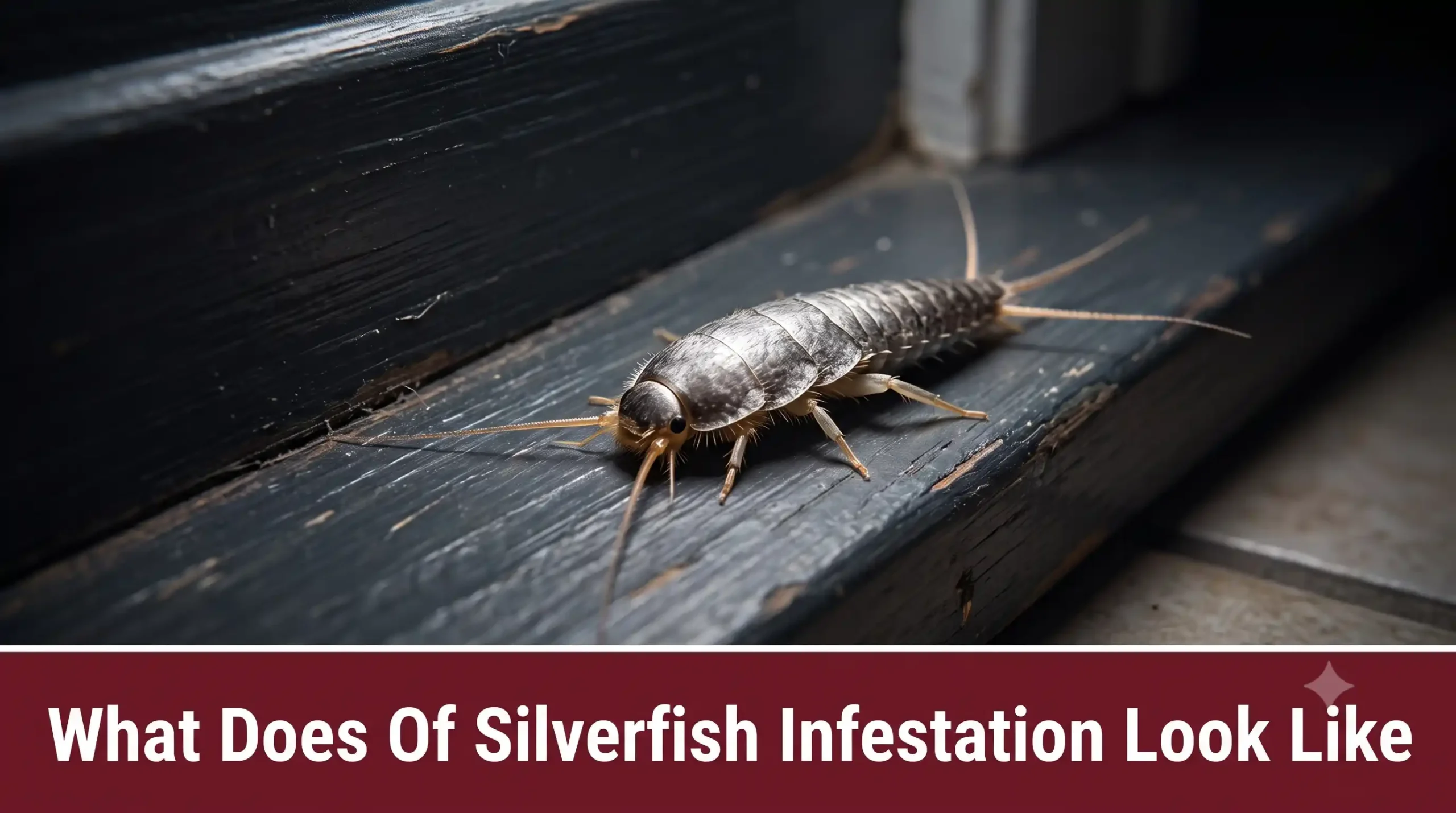
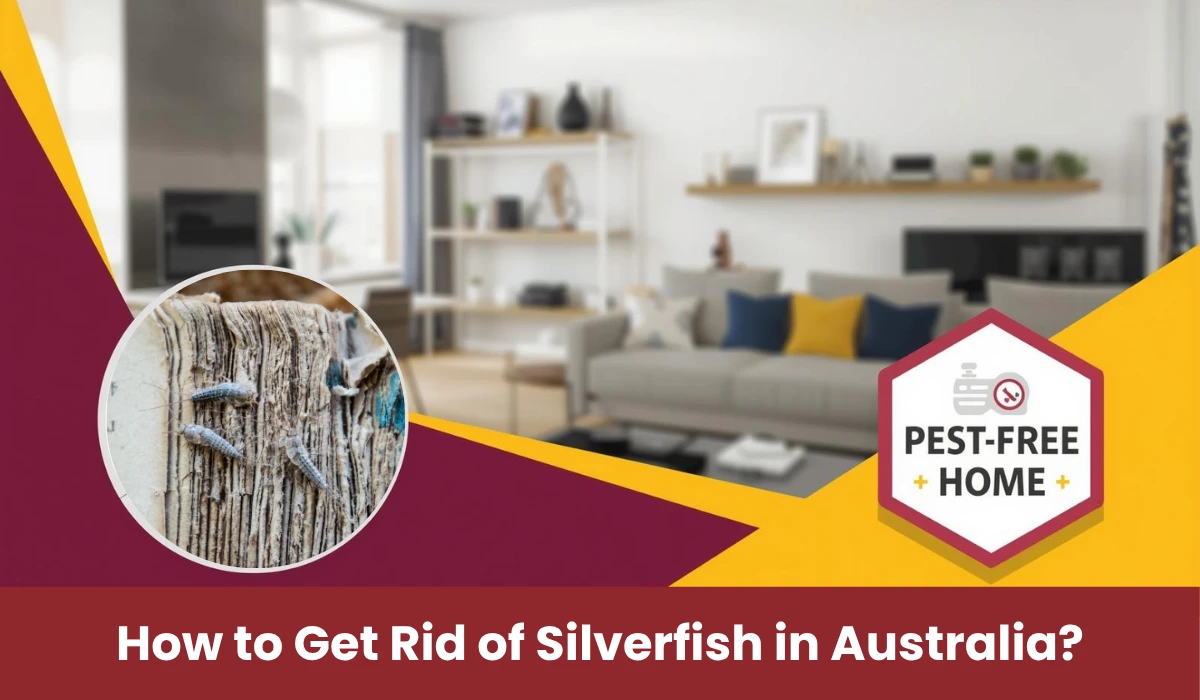
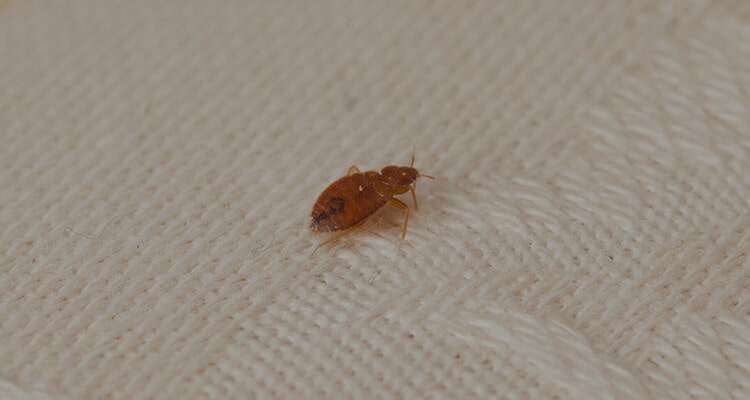
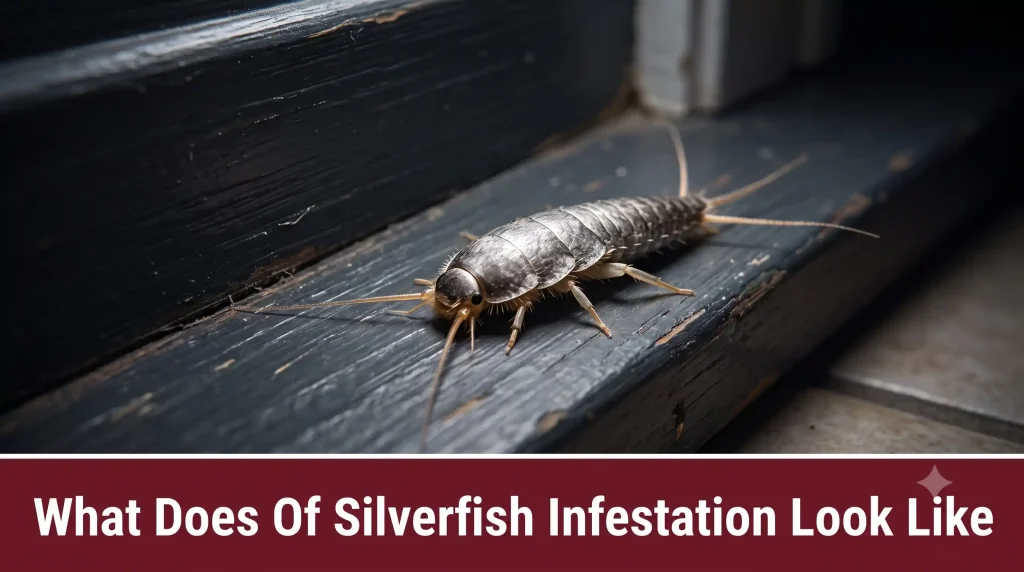
Silverfish (Lepisma saccharinum) are small, wingless insects with a distinctive teardrop-shaped body, silvery-grey scales, and three long, bristle-like tails. They move with a quick, wriggling motion that resembles swimming – which is how they got their name.
These pests are nocturnal and prefer dark, humid environments. They don’t bite, sting, or spread disease, but they’re considered a nuisance pest because of the damage they cause to household items. Silverfish feed on starches, sugars, and cellulose, which puts paper, glue, fabric, and even wallpaper paste on their menu.
Silverfish are common across Australian homes, particularly in older weatherboard houses, units with poor ventilation, and homes near bushland or coastal areas where humidity levels sit higher year-round.
What Does a Silverfish Infestation Look Like?
A silverfish infestation typically presents through a combination of visual sightings, physical damage, and small droppings rather than one single obvious sign. Here’s what most Australian homeowners notice first:
- Live insects scurrying away when a light is switched on or furniture is moved
- Irregular holes or notches chewed into paper, cardboard, or fabric
- Yellowish stains on clothing, books, or wallpaper
- Tiny black or pepper-like droppings in drawers, cupboards, or on shelves
- Shed skins – silverfish moult throughout their lives, leaving behind small, translucent exoskeletons
- A musty smell in enclosed, humid spaces like linen cupboards or under-sink cabinets
If you’re seeing two or more of these signs in the same area of your home, there’s a good chance you’re dealing with an active population rather than a one-off visitor.
Early Signs of a Silverfish Infestation
Catching an infestation early makes control far easier and prevents damage to valuable items. Keep an eye out for:
Nighttime Sightings
Silverfish are most active after dark. Spotting one when you turn on a bathroom or laundry light at night is a common early clue – especially if it happens more than once.
Small Yellow Stains
Silverfish leave behind faint yellow marks where they’ve been feeding or resting, often on the spine of books, inside wardrobes, or along skirting boards.
Fine Scales or Dust
As silverfish move, they shed tiny silver scales that can look like a fine dust on shelves or in the bottom of storage boxes.
Peppery Droppings
Their droppings resemble small black pepper grains or tiny pellets, usually found in drawers, on pantry shelves, or near paper stacks.
If you notice any of these signs, our related read, 10 Signs Your Home Has a Hidden Pest Infestation, covers the broader red flags worth checking across the rest of your property.
Where Silverfish Hide in Australian Homes?
Silverfish seek out dark, humid, and undisturbed spaces. In a typical Australian home, that means:
- Bathrooms – behind vanities, under sinks, and in tile grout
- Laundries – behind washing machines and inside cupboards
- Roof cavities and subfloors – common in older homes with poor airflow
- Bookshelves and storage boxes – particularly cardboard boxes stored in garages
- Wardrobes and linen cupboards – where fabric and paper-lined shelves provide both shelter and food
- Kitchen pantries – especially around cereal boxes, flour, and paper packaging
Coastal and humid regions across Australia tend to see higher silverfish activity, as these insects thrive in moisture. Homes with poor ventilation, leaking pipes, or rising damp are particularly at risk.
Silverfish Damage to Books, Clothing, Wallpaper and Pantry Items
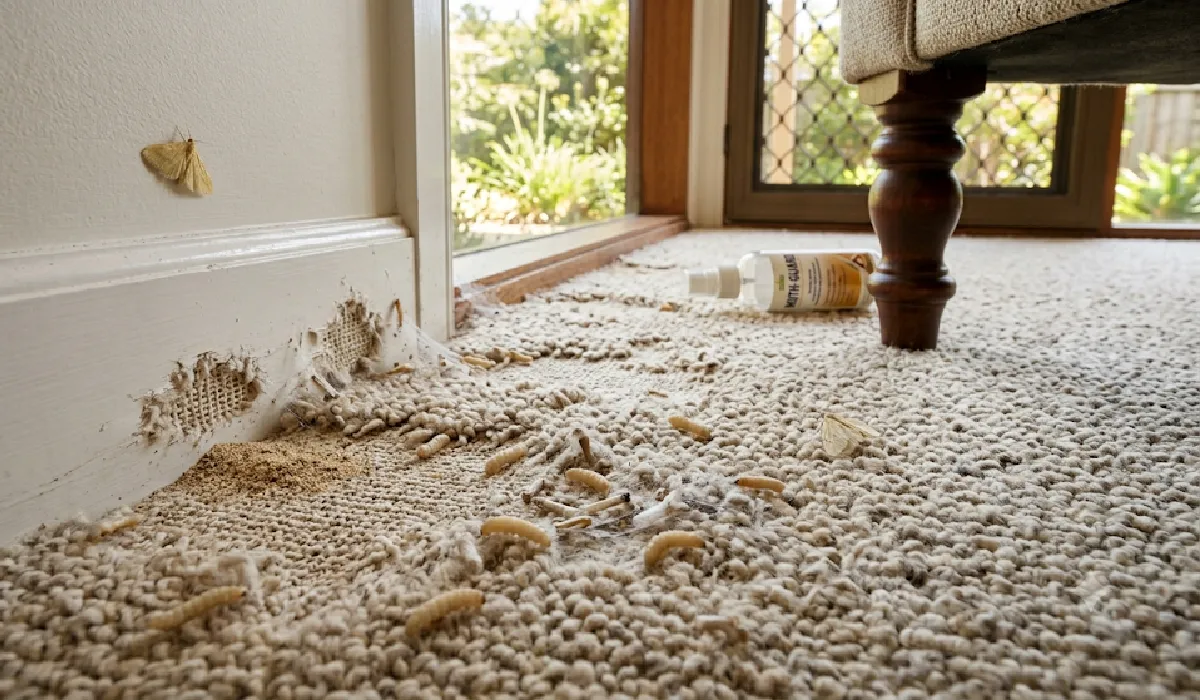
One of the clearest indicators of a silverfish problem is physical damage to household items. Because silverfish feed on cellulose, starch, and sugars, they target:
Books and paper – Silverfish chew through book bindings, document edges, and cardboard, leaving irregular notches and a papery residue. Old family photo albums and important documents stored in garages are especially vulnerable.
Clothing and fabric – Natural fibres like cotton, linen, and silk are common targets, particularly items stored for long periods in drawers or wardrobes. Damage often looks like small, ragged holes.
Wallpaper – Silverfish are drawn to the starch-based glue used in wallpaper paste, which can cause peeling, bubbling, or visible grazing marks on the surface.
Pantry items – Cereal, flour, pasta, and other dry goods stored in paper or cardboard packaging can be chewed into, contaminating the contents even if the food itself isn’t the primary target.
This kind of damage tends to build up gradually, which is why many homeowners don’t notice a silverfish problem until it’s well established.
What Attracts Silverfish?
Understanding what draws silverfish into your home makes prevention far more effective. Common attractants include:
- High humidity – bathrooms, laundries, and poorly ventilated rooms
- Water leaks – dripping taps, damp subfloors, or condensation build-up
- Clutter – stacked newspapers, cardboard boxes, and old books provide shelter and food
- Starchy food sources – flour, cereal, and pet food left in paper packaging
- Dark, undisturbed areas – roof voids, wall cavities, and rarely opened cupboards
Homes that tick several of these boxes are far more likely to develop an ongoing silverfish population rather than the odd stray insect.
How to Confirm an Infestation?
If you suspect silverfish but haven’t seen strong visual evidence, there are a few practical ways to confirm what’s going on:
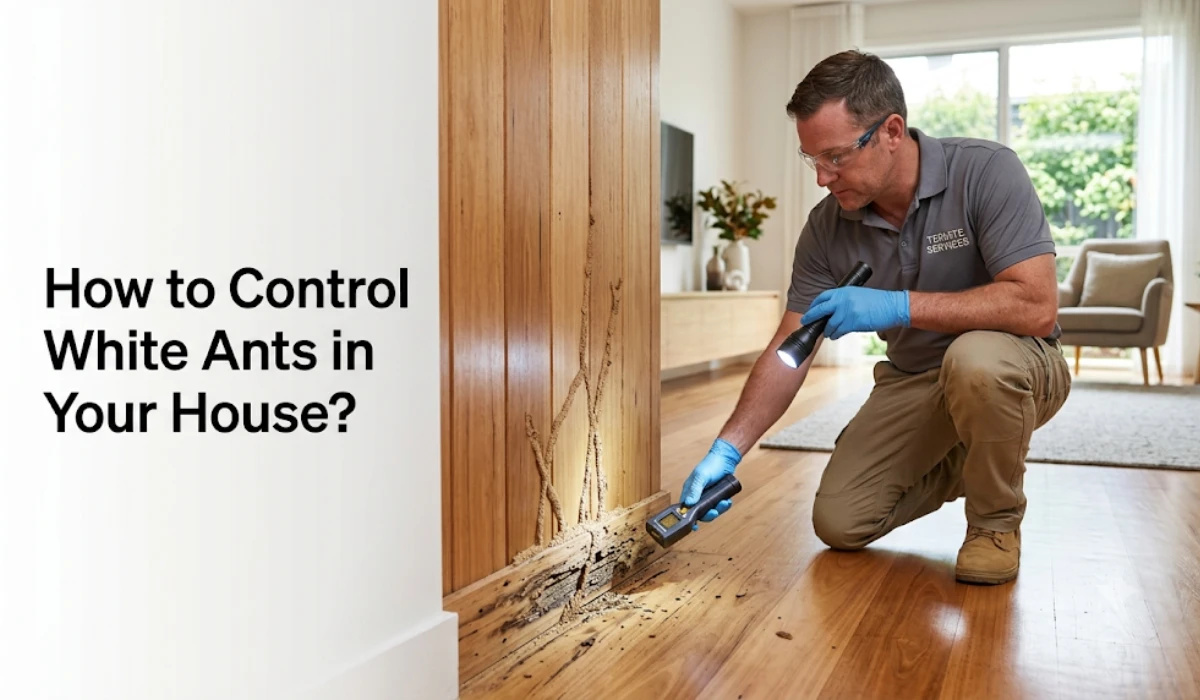
- Check overnight with a torch. Silverfish are nocturnal, so a quick check of bathrooms and pantries after dark, using a torch, often reveals activity that’s invisible during the day.
- Inspect stored paper and fabric. Look for chew marks, yellow staining, or fine scales on books, boxes, and clothing that hasn’t been moved in a while.
- Set sticky traps. Placing simple sticky traps in suspected hotspots – under sinks, in wardrobes, near bookshelves – over a few nights gives a clear indication of activity levels.
- Look for droppings and shed skins. These accumulate in areas silverfish frequent and are one of the more reliable signs of an established population.
If several of these checks come back positive, a professional pest inspection can confirm the extent of the infestation and identify entry points you might have missed.
Prevention and Long-Term Control Tips
Once you’ve dealt with an active infestation, keeping silverfish away long-term comes down to managing moisture and food sources:
- Reduce humidity with exhaust fans in bathrooms and laundries, and consider a dehumidifier in consistently damp areas
- Fix leaks promptly, including dripping taps, poor seals around showers, and subfloor drainage issues
- Store books, documents, and photos in sealed plastic containers rather than cardboard boxes
- Declutter regularly, particularly stacks of newspaper, magazines, and unused cardboard
- Seal cracks and gaps around skirting boards, window frames, and pipe entry points
- Store pantry staples like flour and cereal in airtight containers
- Vacuum regularly, including under furniture and along skirting boards, to remove eggs and shed skins
For a broader look at year-round prevention, our Winter Pest Prevention Checklist and Common Mistakes That Invite Pests into Your Home are worth a read.
When to Call a Professional Pest Control Service?
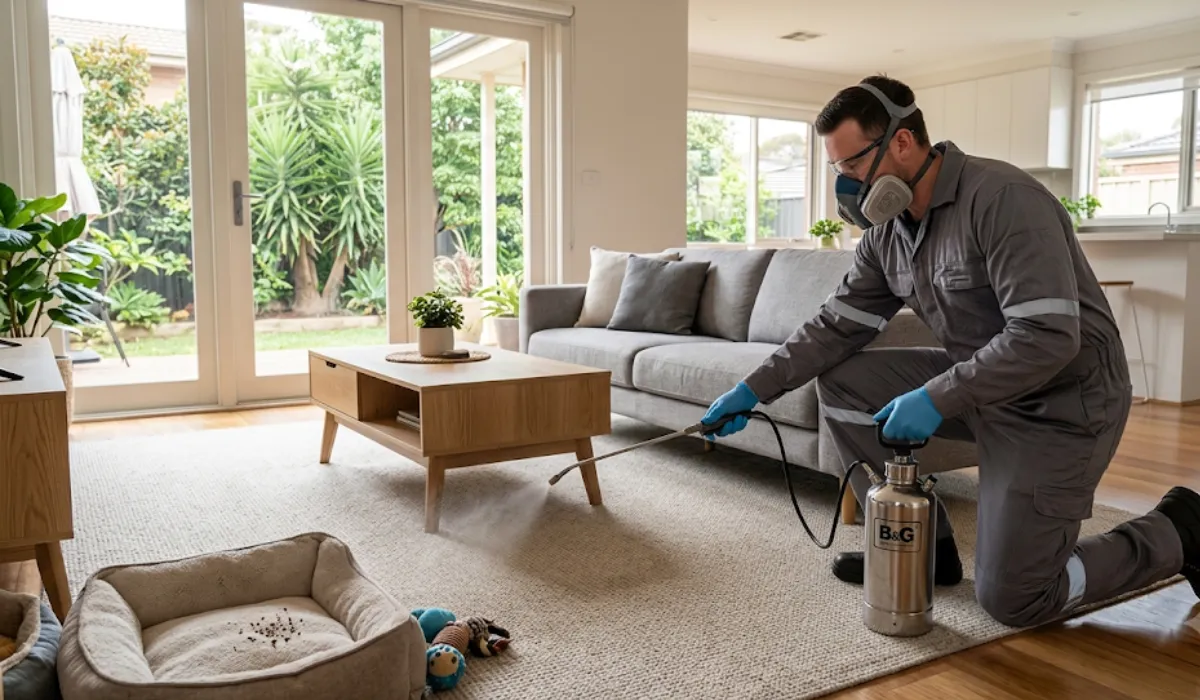
DIY methods like traps, decluttering, and moisture control can manage minor silverfish activity, but they often fall short once an infestation is established in wall cavities, subfloors, or roof voids – areas most homeowners can’t easily access or treat.
It’s time to call in a professional if:
- You’re seeing silverfish regularly across multiple rooms
- Damage to books, clothing, or wallpaper is ongoing or worsening
- DIY traps and prevention haven’t reduced activity after a few weeks
- You suspect silverfish are breeding in hard-to-reach areas like subfloors or roof cavities
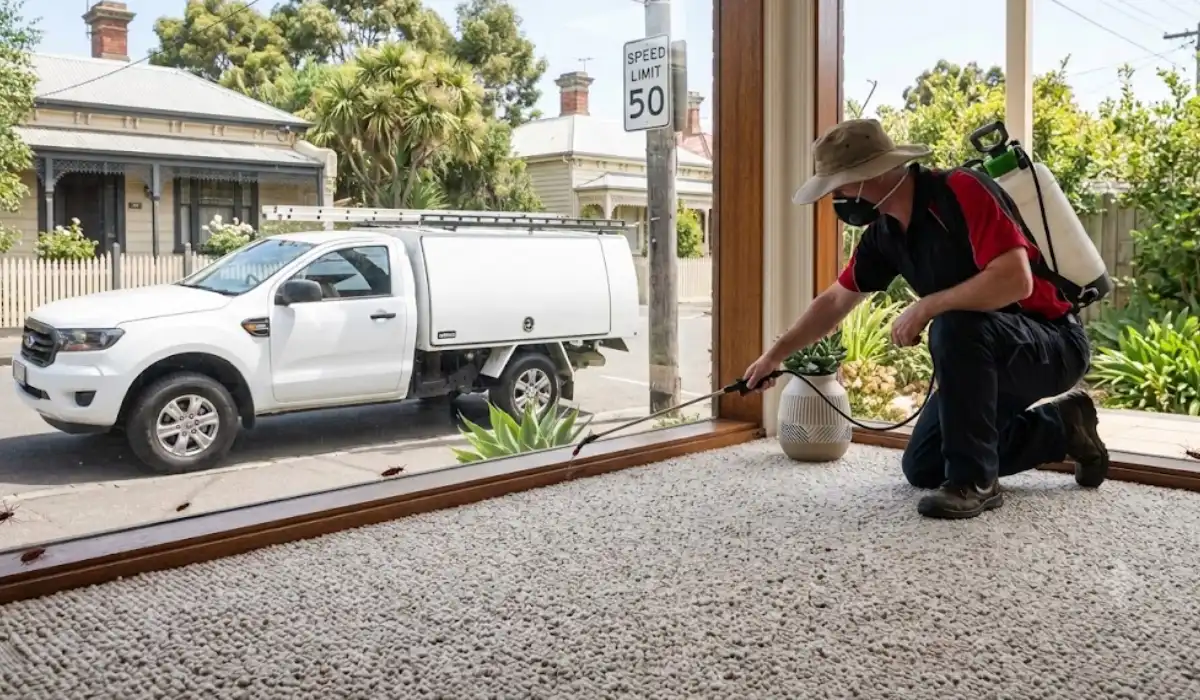
A tailored silverfish control treatment targets both visible pests and hidden breeding sites, addressing the root cause rather than just the symptoms. If you’re dealing with a wider pest issue, our insect control and cockroach control services cover other common household invaders that often show up alongside silverfish in humid, cluttered spaces. If you’ve also noticed signs of dead animals in your roof or walls, our dead animal removal service handles that separately.
For a full breakdown of removal methods, see our related guide: How to Get Rid of Silverfish From Home in Australia: Effective Control Methods & Prevention.
Weighing up whether to handle it yourself or call in help? Our article on DIY vs Professional Pest Control: What’s More Effective? breaks down the pros and cons of each approach.
FAQs
Ques 1. What does a silverfish look like up close?
Ans. Silverfish have a flattened, teardrop-shaped body covered in silvery-grey scales, with two long antennae at the front and three bristle-like tails at the rear. They typically grow to around 12–19mm long.
Ques 2. Are silverfish dangerous to humans or pets?
Ans. No. Silverfish don’t bite, sting, or transmit disease. Their main impact is damage to paper, fabric, and stored food items rather than any health risk.
Ques 3. Why do I keep finding silverfish in my bathroom?
Ans. Bathrooms offer the humidity and moisture silverfish need to survive, along with dark hiding spots behind vanities and under sinks – making them one of the most common hotspots in Australian homes.
Ques. How fast do silverfish infestations spread?
Ans. Silverfish reproduce slowly compared to many other household pests, but females can lay eggs continuously throughout their lifespan, which can stretch several years. Left unchecked, a small population can grow steadily over time.
Ques 5. Can silverfish damage electronics or wiring?
Ans. Silverfish aren’t known for damaging electronics or wiring directly, but they may be attracted to glue, paper labels, or cardboard packaging stored near electrical equipment.
Ques 6. Do silverfish mean my house is dirty?
Ans. Not necessarily. Silverfish are drawn to humidity, clutter, and starchy materials rather than general cleanliness. Even well-kept homes can develop an infestation if moisture levels are high.
Ques 7. What’s the difference between silverfish and firebrats?
Ans. Firebrats are a close relative of silverfish but prefer warmer, drier environments like near hot water systems or heaters, whereas silverfish favour cooler, damp areas such as bathrooms and subfloors.
Ques 8. How do I stop silverfish from coming back after treatment?
Ans. Ongoing prevention – managing humidity, sealing entry points, and storing paper and fabric items properly – is key to stopping silverfish from re-establishing after treatment. Regular pest control services help maintain these results long-term.
Conclusion
Silverfish might be small and harmless to your health, but the damage they cause to books, clothing, wallpaper, and pantry items can add up quickly if left unchecked. Knowing what a silverfish infestation looks like – from pepper-like droppings to yellow staining and chewed paper – puts you in a much better position to catch the problem early.
If you’re noticing several of the signs covered in this guide, don’t wait for the damage to spread. The team at True Pest Control can assess your property, confirm the extent of the infestation, and put together a treatment plan suited to your home. Get in touch today to book an inspection and take the first step toward a silverfish-free home.