You walk into your house, and something smells off. You check the fridge – nothing. Take out the trash – still there. Even give your socks a suspicious sniff – nope, not the culprit. Then it hits you: something has died inside your home.
If you’ve ever been through this, you know how unbearable it is. That gut-wrenching stench lingers no matter how many windows you open or candles you light. The good news is that how to get rid of dead animal smell comes down to a handful of proven steps – and in most Australian homes, the culprit is a rat, mouse, or possum, which each behave a little differently once they’ve died in a wall, roof, or subfloor.
Here’s a complete, practical guide to finding the source, removing it safely, and getting your home smelling normal again.
How Long Does Dead Animal Smell Last?
This is the question almost everyone asks first, and the honest answer is: it depends on the animal and where it died.
| Animal | Typical odour duration |
| Mouse | 2–4 days |
| Rat | 1–2 weeks |
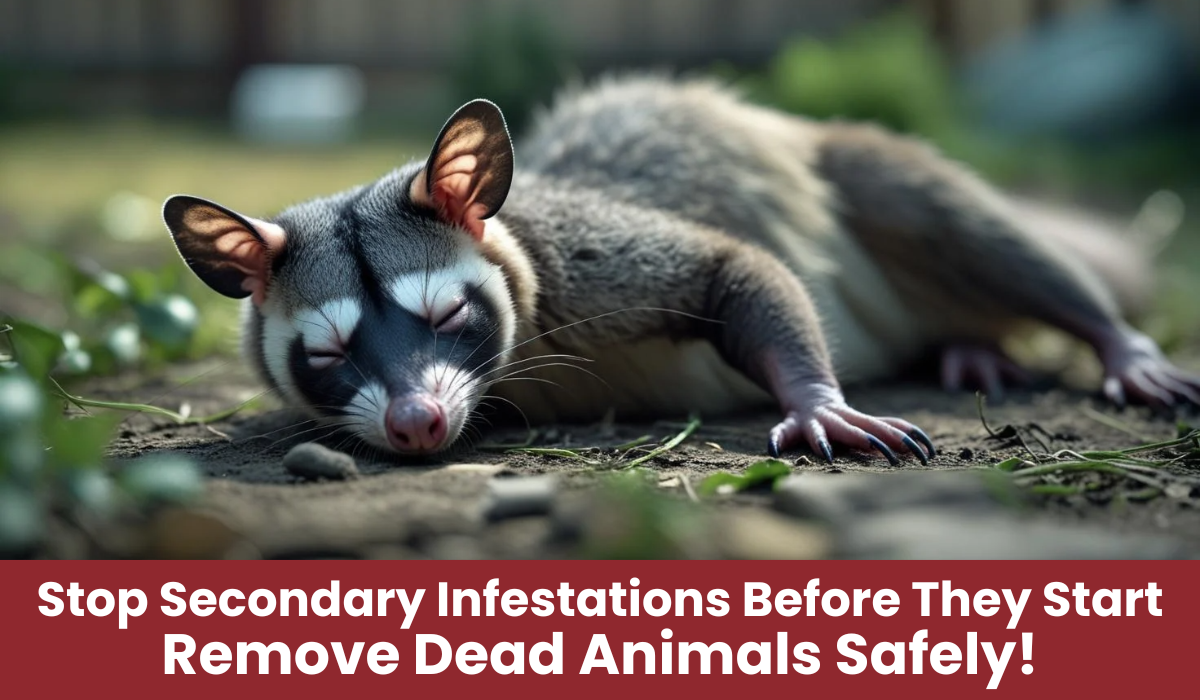
| Possum | 2–4 weeks |
| Bird | A few days to a week |
A few things stretch this out significantly:
- Heat speeds up decomposition – a carcass in a hot roof cavity during an Australian summer can smell far worse, far faster, than one in a cool, shaded subfloor.
- Enclosed spaces trap odour – a dead rat inside a wall cavity or vent will linger noticeably longer than one out in the open, simply because the smell has nowhere to disperse.
- Body size matters – a possum has considerably more mass than a mouse, so it takes longer to fully decompose and the smell has a longer tail.
As a rule of thumb, if the smell is still strong after two to three weeks, the carcass either hasn’t been removed or it’s in a spot still trapping moisture and odour (like insulation or carpet underlay) – both worth checking before you assume the problem will just fade on its own.
1. Identifying the Source of the Odour
Before you can eliminate the stench, you need to find its source. A dead animal can often be hidden in hard-to-reach places like wall cavities, roof spaces, subfloors, or vents.
- Follow the strongest smell room by room – it’s usually more intense near the source, even through a wall or ceiling.
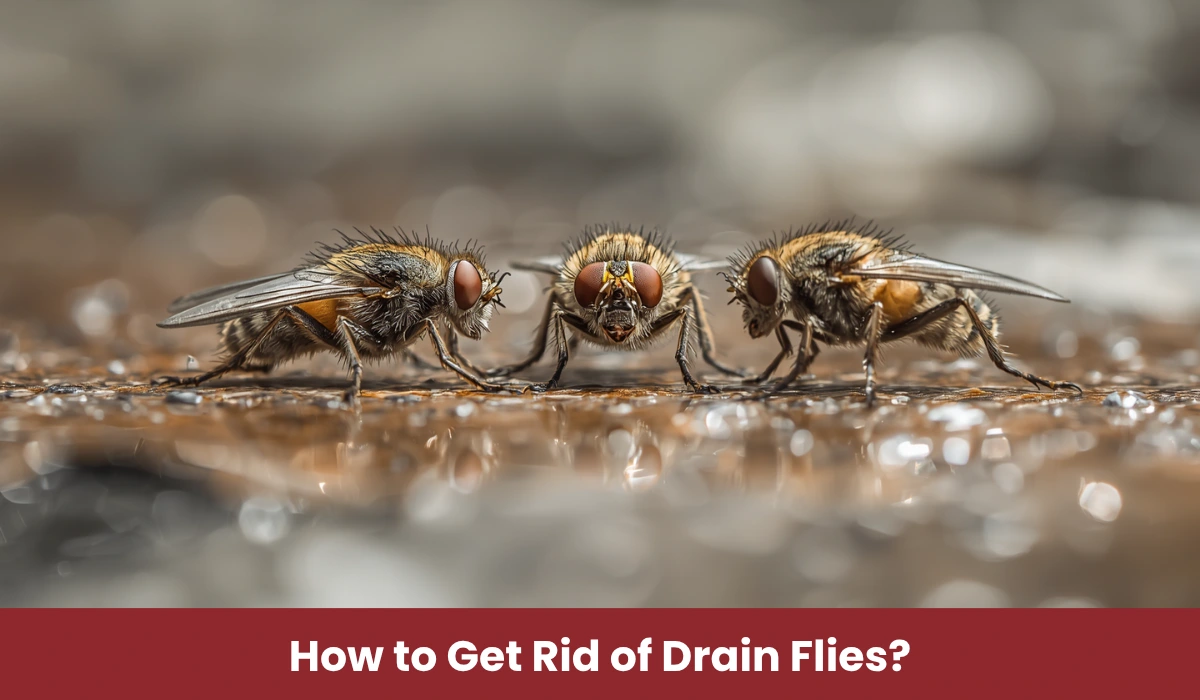
- Look for signs like stains on ceilings or walls, insect activity (flies and maggots are a strong giveaway), or unusual pet behaviour near certain areas – dogs and cats will often fixate on the exact spot.
- Check air conditioning vents and return-air grilles; airflow can actually carry the smell to rooms far from the actual carcass, which is why the smell sometimes seems to move around the house.
What if you can’t find it?
Sometimes the smell is obvious, but the source isn’t. If you’ve checked the usual spots and you’re still stuck:
- Widen your search to the roof cavity and subfloor, not just the room the smell is strongest in – smell travels along ceiling and floor cavities more than you’d expect.
- Watch for fly and maggot activity over a day or two; they’ll cluster at the exact access point even when you can’t see or smell anything through a wall.
- Professional dead animal removalists use tools most homeowners don’t have access to – moisture meters, thermal imaging cameras, and in some cases skilled detection dogs – to pinpoint a carcass without cutting into multiple walls on a guess. If it’s been more than a week and you still can’t locate it, this is usually the faster and less destructive option.
2. Safe Removal of the Carcass
Once you’ve located the source, removing it safely is essential. Dead animals can carry bacteria and parasites, so proper precautions matter.
- Wear protective gear – Always use gloves and a face mask to protect yourself from harmful bacteria and unpleasant odours while handling the carcass.
- Use tools – Avoid direct contact by using a shovel or long tongs to pick up the dead animal and move it safely.
- Seal it properly – Place the carcass in a sealed plastic bag to contain bacteria and dispose of it following local council waste regulations.
- Sanitise hands and tools – After handling, wash your hands, tools, and any surfaces with disinfectant to remove bacteria and lingering odours.
If you’re dealing with a dead rat smell in vents, don’t just spray air freshener into the duct – it usually needs to be accessed and removed at the nearest panel or grille, otherwise the smell keeps re-circulating through the house every time the system runs.
3. Dead Animal Smell in Walls, Roof & Under the House
This is one of the most common – and most frustrating – scenarios, because you can’t see what you’re dealing with. It applies whether it’s a dead animal in wall, a possum in the roof, or something under the floor.
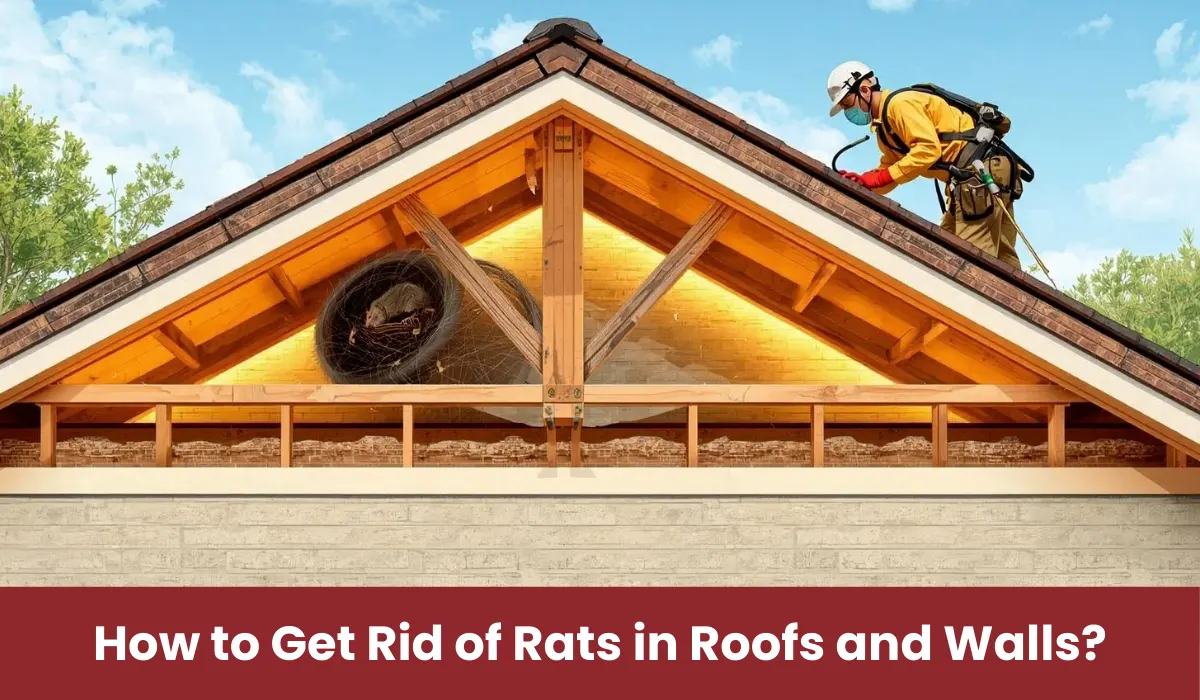
In walls: If you’re getting rid of dead animal odour in walls, you’ll likely need to cut a small, targeted opening near the strongest point of smell to retrieve the remains – guessing and cutting multiple holes usually causes more damage than it solves. Once removed, treat the cavity with an enzyme-based odour neutraliser before patching.
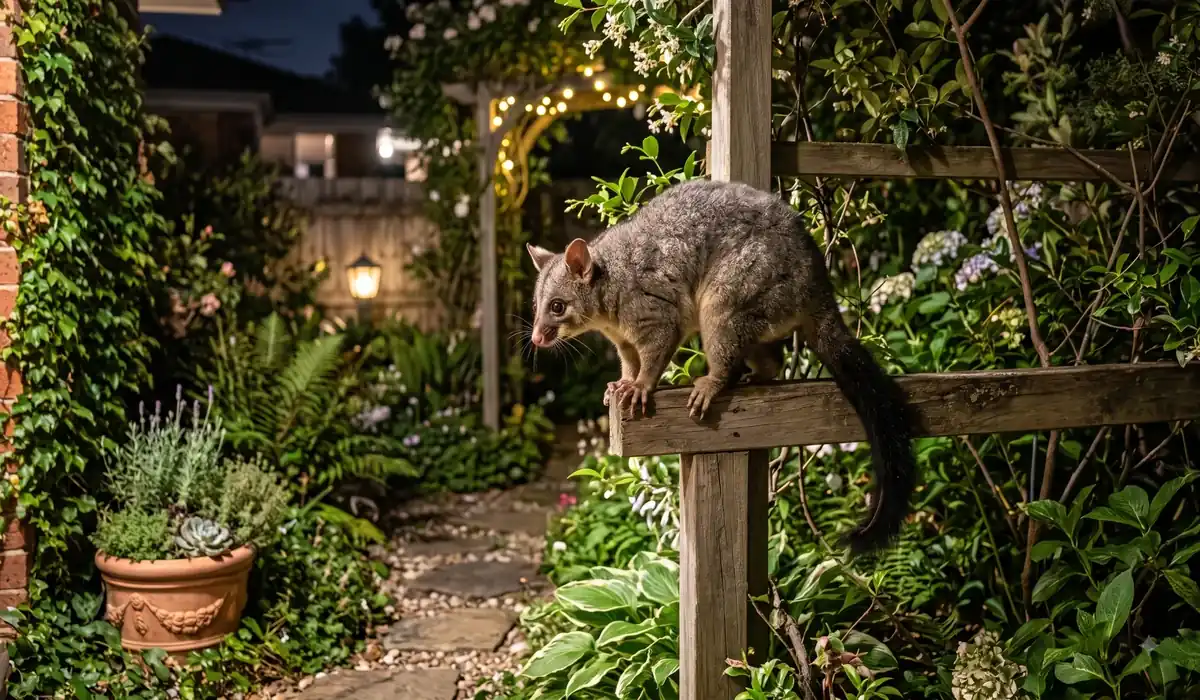
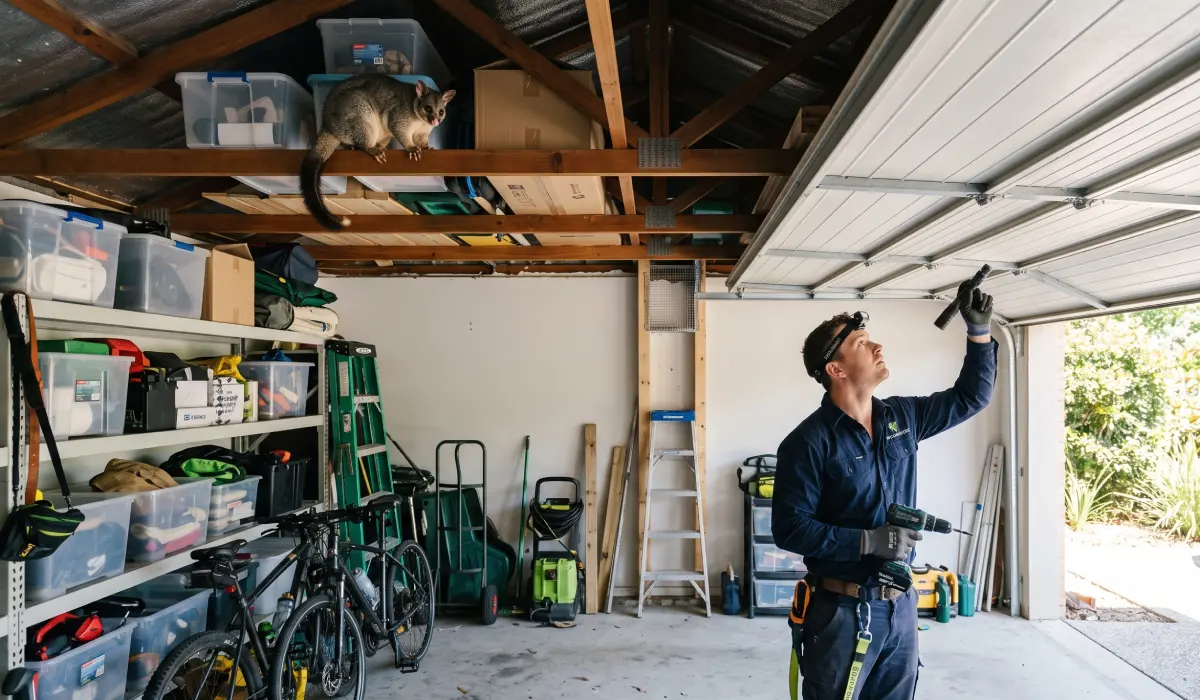
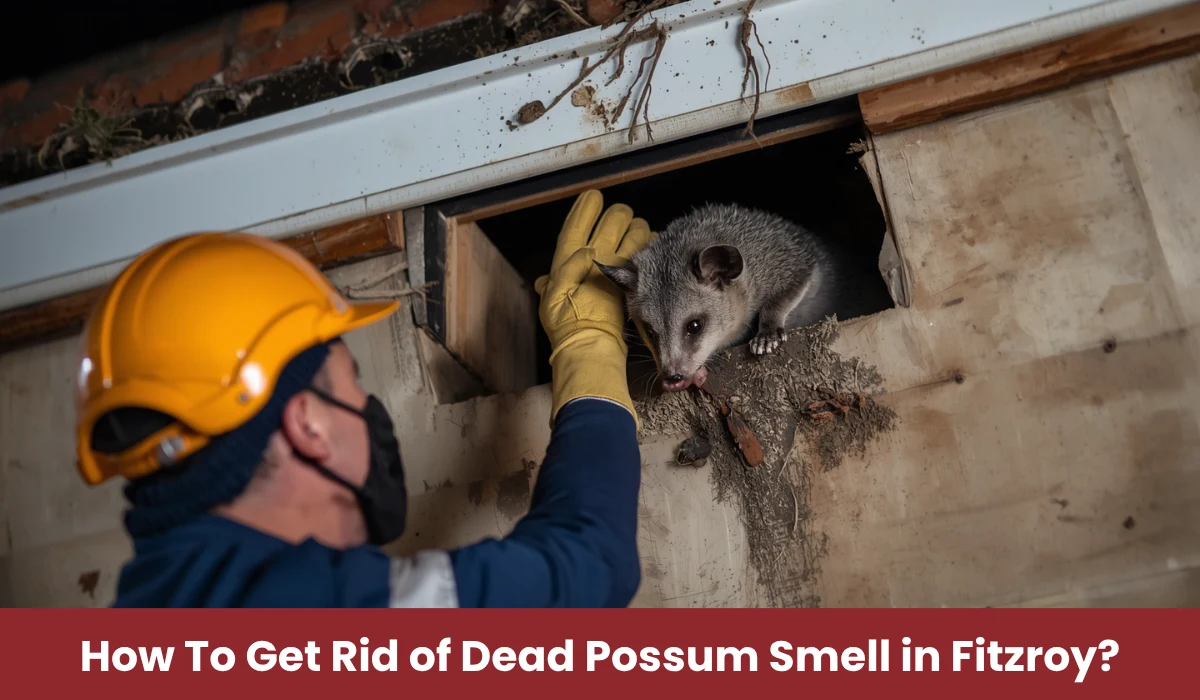
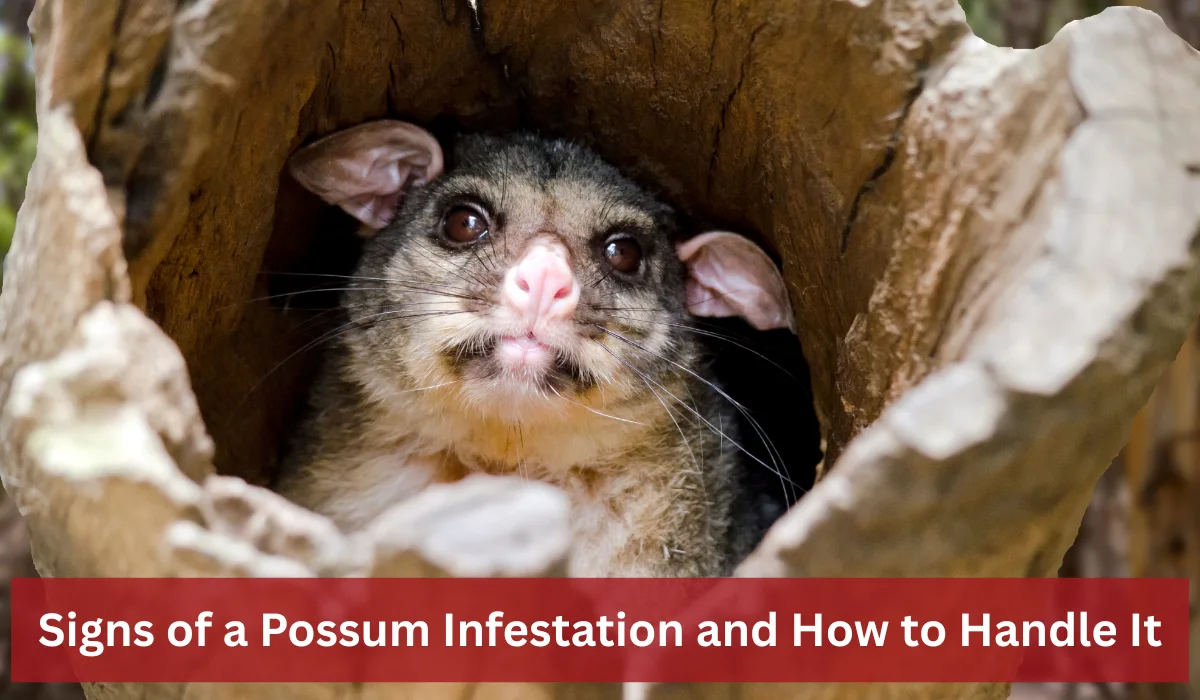
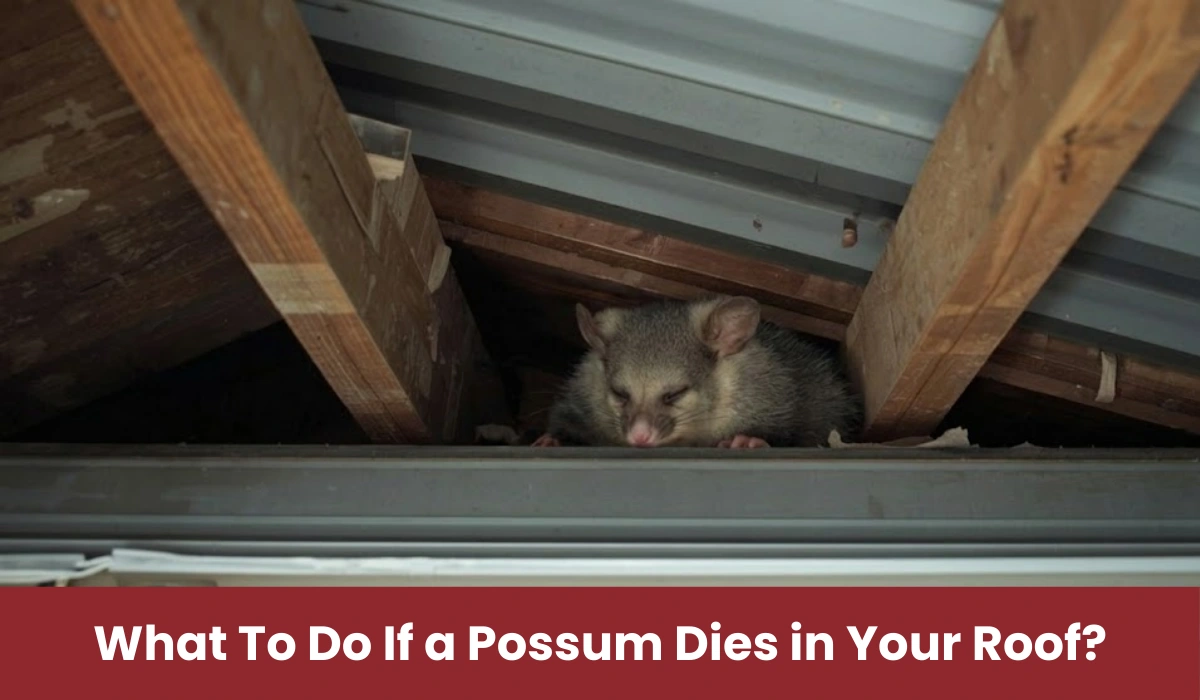
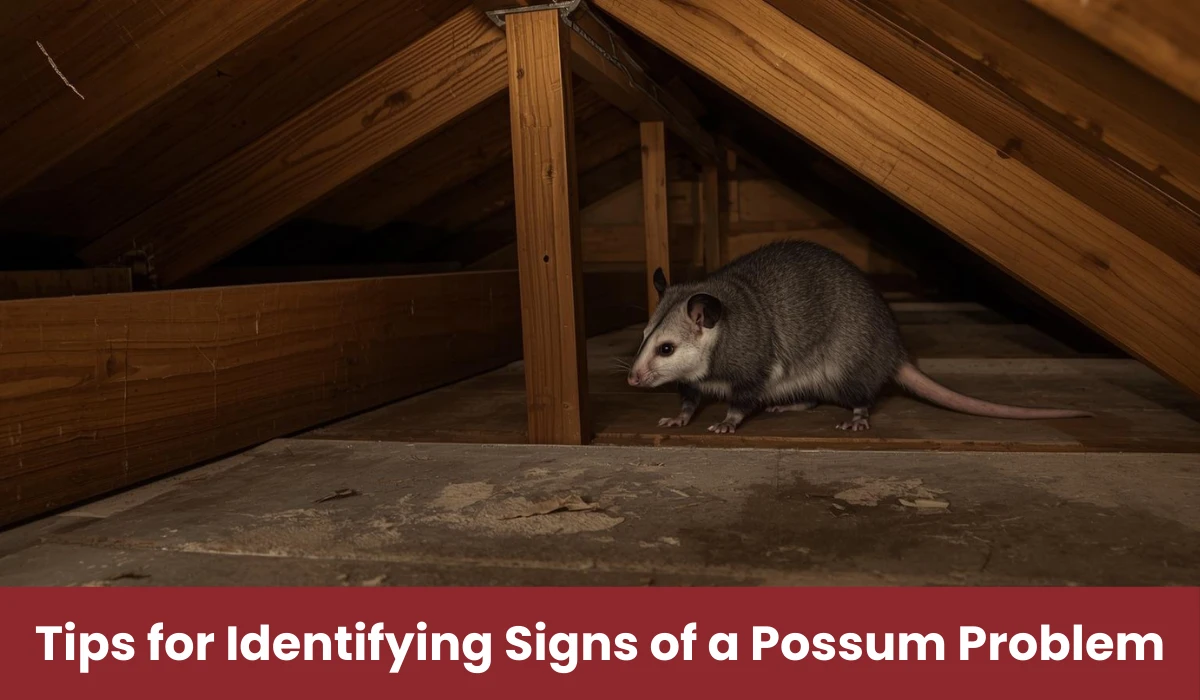
In the roof: Roof cavities are the most common spot for possums in Australian homes, since they’re a possum’s natural nesting instinct in the first place. Heat buildup in the roof accelerates decomposition, so a possum that’s died in the roof will often smell noticeably worse, and faster, than one in a cooler part of the house. Access is usually via the roof manhole – this is genuinely one of the trickier removals to do yourself safely.
Under the house / subfloor: Subfloor spaces trap moisture, which slows drying and can extend how long the odour lingers. If you have subfloor access, a torch and mask will usually get you to the source; if not, this is another case where professional access tools save a lot of guesswork.
In all three cases, once the carcass is out, treat the surrounding material (insulation, timber, carpet underlay) – not just the air – since these porous materials absorb and re-release odour for weeks if left untreated.
4. Cleaning and Disinfecting the Area
After removing the carcass, it’s crucial to clean the affected area to prevent lingering odours and bacteria growth.
- Use a bleach solution or enzyme-based cleaner to break down organic matter and bodily fluids, not just mask the smell.
- Scrub surfaces thoroughly, including any staining left behind.
- Dispose of contaminated materials such as insulation or carpet if heavily soiled – these often hold onto odour long after visible cleaning.
A thorough clean-up is what actually helps you eliminate dead rodent smell quickly, rather than just covering it up temporarily.
5. Does Vinegar Actually Get Rid of Dead Animal Smell?
Short answer: it helps, but it isn’t a fix on its own.
White vinegar is mildly acidic and does genuinely neutralise some odour compounds rather than just masking them, which is why it’s a popular home remedy. Here’s how to use it properly:
- Fill a few shallow bowls with white vinegar and place them in the affected room – it works by absorbing odour molecules from the air over several hours.
- Wipe down hard surfaces near the source with a diluted vinegar solution once the area’s been cleaned.
Where vinegar falls short: it does very little against an active carcass that’s still decomposing, and it won’t reach a smell trapped inside a wall, roof cavity, or subfloor. Think of it as a supporting step for lingering, mild odour after the carcass has been removed and the area cleaned – not a substitute for finding and removing the source.
6. Natural Odour Neutralisers
Even after removal, some odour can linger in the air and soft furnishings. A few natural options help freshen things up:
- Baking soda: Sprinkle it over carpets, rugs, or furniture. Let it sit for a few hours, then vacuum it up to absorb lingering smells.
- White vinegar: As above – genuinely neutralises rather than masks, best for residual odour.
- Activated charcoal: Small pouches absorb foul smells efficiently. Place them near vents, walls, or affected rooms for continuous odour removal.
- Lemon peels: Their natural citrus oils help refresh indoor air. Scatter them in musty areas or simmer them in water for a fresh scent.
These are the best way to neutralise dead animal odour naturally once the source is gone – they’re not a substitute for removal.
7. Commercial Odour Eliminators
For stronger or more stubborn odours, commercial products can help finish the job.
- Odour-neutralising sprays break down odour molecules rather than just masking them.
- Odour-absorbing gels work continuously over days to draw out lingering smells.
- Ozone generators oxidise odour particles in the air and are genuinely effective for severe cases – but they need to be used carefully. Ozone isn’t safe to breathe at the concentrations needed to eliminate strong odours, so the space needs to be sealed and unoccupied (including pets) during treatment, then properly aired out afterwards. Many pest control companies offer this as a service with commercial-grade equipment, which is generally safer and more effective than a small consumer unit.
Combining a natural and commercial approach is often the best way to neutralise dead animal odour when the smell has really set in.
8. Preventing It From Happening Again
Preventing future incidents saves you from going through this all over again.
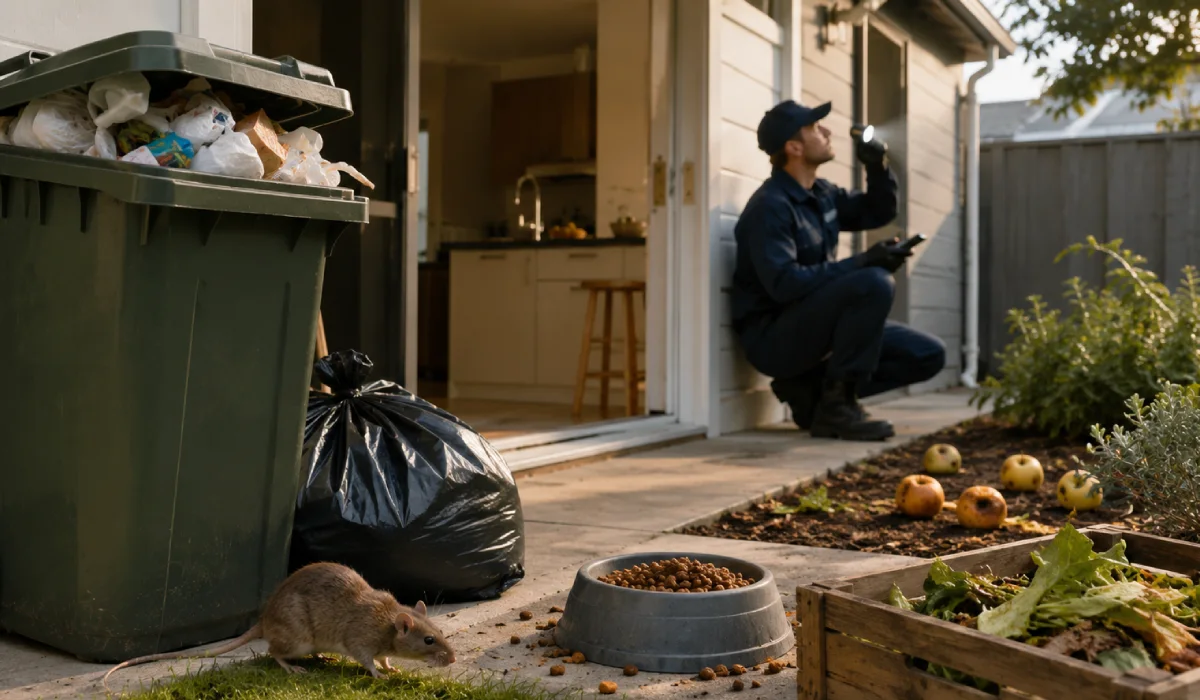
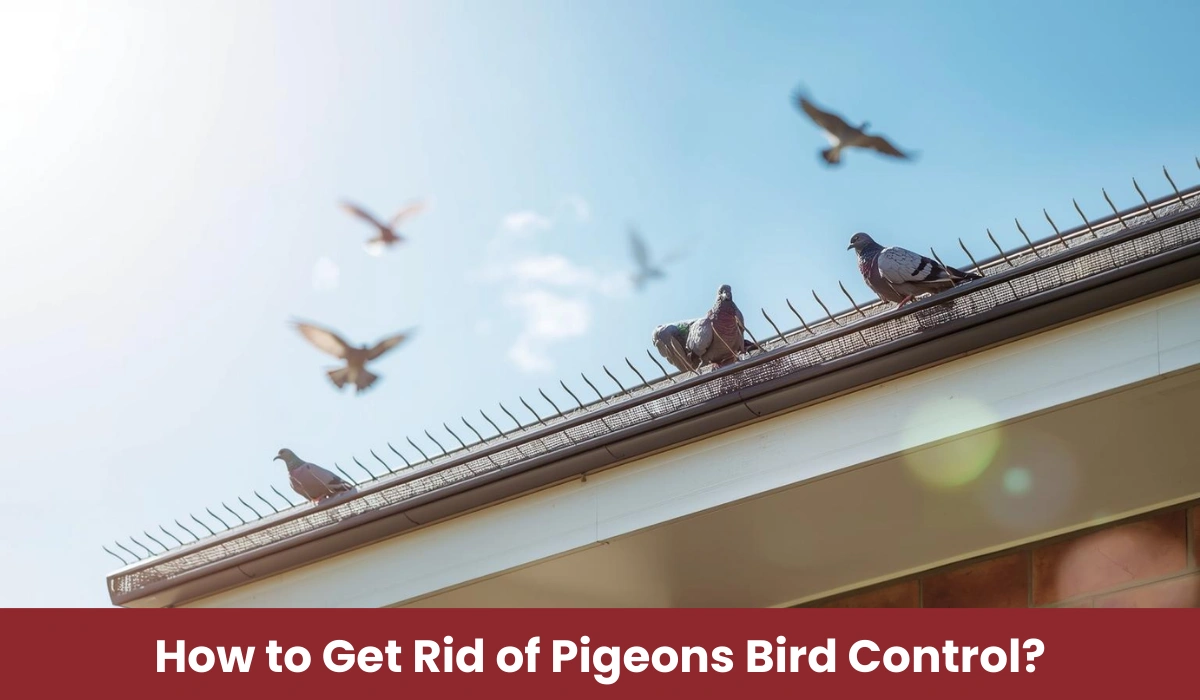
- Seal all entry points – Check for small holes, cracks, and gaps around your roofline, eaves, and subfloor vents. Sealing them stops rats, mice, and possums from getting in and getting trapped.
- Maintain a clean home – Rodents are drawn to food scraps and clutter. Regular cleaning and proper food storage help keep them away.
- Inspect hidden spaces regularly – Roof cavities, subfloors, and wall voids are common hiding and nesting spots. Routine inspections catch an infestation before it becomes a bigger problem – and before anything dies in a spot you can’t reach.
These steps help remove dead animal odour from house for good, rather than dealing with a repeat visit in a few months.
9. When to Call in the Professionals
If the smell lingers, the carcass is inaccessible, or you simply don’t want to cut into your own walls or roof, it’s time to bring in the experts.
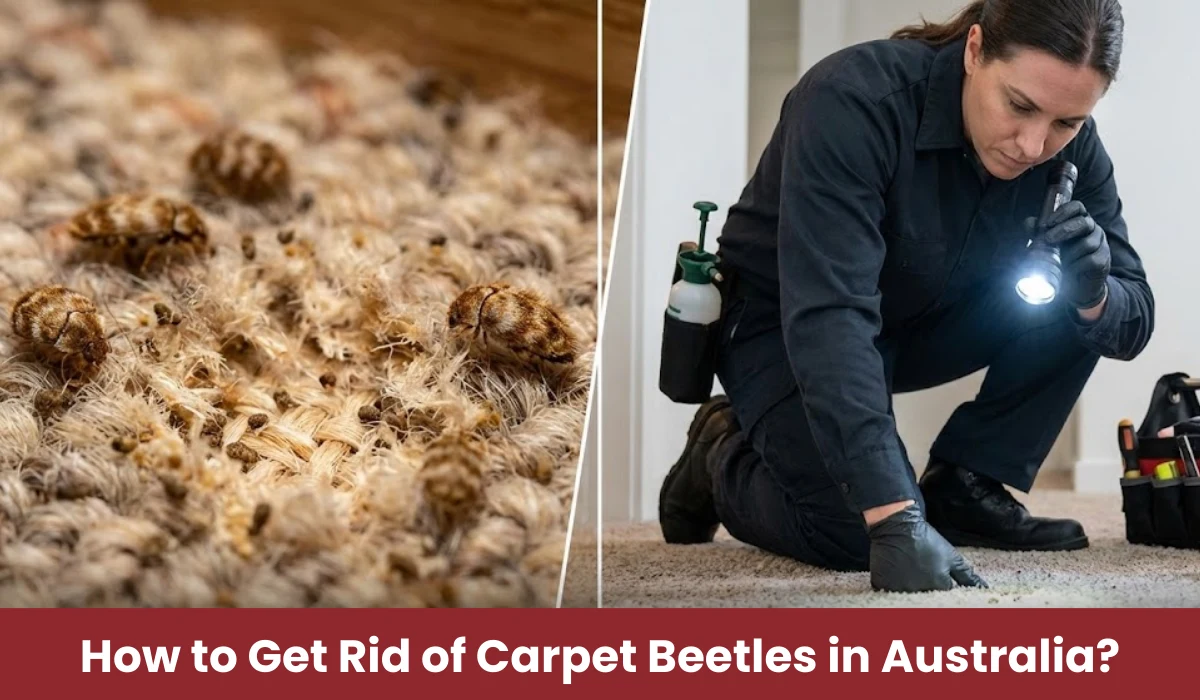
- Professional dead animal removalists use detection tools – moisture meters, thermal cameras, and access equipment – to find a carcass without unnecessary damage.
- Pest control experts can safely retrieve dead animals from roofs, wall cavities, and subfloors.
- Restoration and odour-treatment services can neutralise even the most severe smells and repair any damage decomposition has caused.
For genuinely stubborn cases, professional help is the most reliable way to get dead animal smell removal done properly, the first time.
Final Thoughts
Dealing with a dead animal smell in your home is never fun – no matter how many candles you light or windows you open, the stench doesn’t budge on its own. But now you know how to find the source, remove it safely, treat the area, and prevent it from happening again – whether it’s a rat in the wall, a possum in the roof, or a mouse you can’t quite locate.
If the smell lingers or the carcass is somewhere you can’t safely reach, don’t stress – call in the experts. True Pest Control offers same-day dead animal removal and odour elimination across Melbourne, Sydney, Brisbane, Canberra and Adelaide. Call 0480 022 718 for a free quote.
FAQs
Ques 1. How long does dead animal smell last?
Ans. It depends on the animal and location – typically 2–4 days for a mouse, 1–2 weeks for a rat, and 2–4 weeks for a possum. Heat and enclosed spaces like roofs and wall cavities can extend this significantly.
Ques 2. Will vinegar get rid of dead animal smell?
Ans. Vinegar genuinely helps neutralise lingering odour in the air once the carcass is removed and the area cleaned, but it won’t do much against an active carcass or one trapped inside a wall or roof cavity.
Ques 3. Can dead animal smell make you sick?
Ans. Yes – prolonged exposure to decomposition odour can cause headaches, nausea, and respiratory irritation. Removing the source and ventilating the area is the safest way to deal with it, not just masking the smell.
Ques 4. Where is the smell of a dead animal usually strongest?
Ans. Right at the point closest to the carcass – but airflow through vents, wall cavities, and ceiling spaces can carry the smell into rooms some distance away, which is why it can seem to “move” around the house.
Ques 5. What if I can’t find where the dead animal smell is coming from?
Ans. Widen your search to the roof and subfloor, watch for fly activity over a day or two, and if it’s still not obvious after a week, call a professional – they use moisture meters and thermal imaging to locate a carcass without guesswork.
Ques 6. Does an ozone generator work for dead animal smell?
Ans. Yes, for severe or lingering odour it’s genuinely effective, but the space needs to be sealed and unoccupied by people and pets during treatment, since ozone isn’t safe to breathe at the concentrations required.
Ques 7. How do I get rid of dead rat smell in vents?
Ans. Air freshener alone won’t fix it – the vent or ductwork usually needs to be accessed at the nearest panel to physically remove the carcass, otherwise the smell keeps recirculating every time the system runs.
Ques 8. Will the smell attract other pests?
Ans. Yes – flies, maggots, and even other rodents are drawn to a decomposing carcass. Removing it quickly helps prevent a secondary infestation on top of the odour problem.