Carpet moths are a common but often overlooked pest in Australian homes. By the time most homeowners spot the damage – thinning patches, bare fibres, or small holes in a favourite wool rug – the larvae have often been feeding for weeks or months. Unlike many insects, it is not the adult moth that causes harm; it is the larvae hidden deep in your carpet fibres that do the destruction.
Understanding how carpet moths behave, what signs to look for, and how to respond quickly can mean the difference between a minor nuisance and a costly carpet replacement. This guide covers everything you need to know about identifying and removing carpet moths from your home, including when to call in a professional pest control service.
What Are Carpet Moths?
Carpet moths (scientifically known as Trichophaga tapetzella) belong to the Tineidae family, which includes over 300 moth species. They are also sometimes called tapestry moths, owing to their habit of feeding on the fibres found in tapestries, rugs, and upholstery. They are closely related to clothes moths and share many of the same behaviours and appetites.
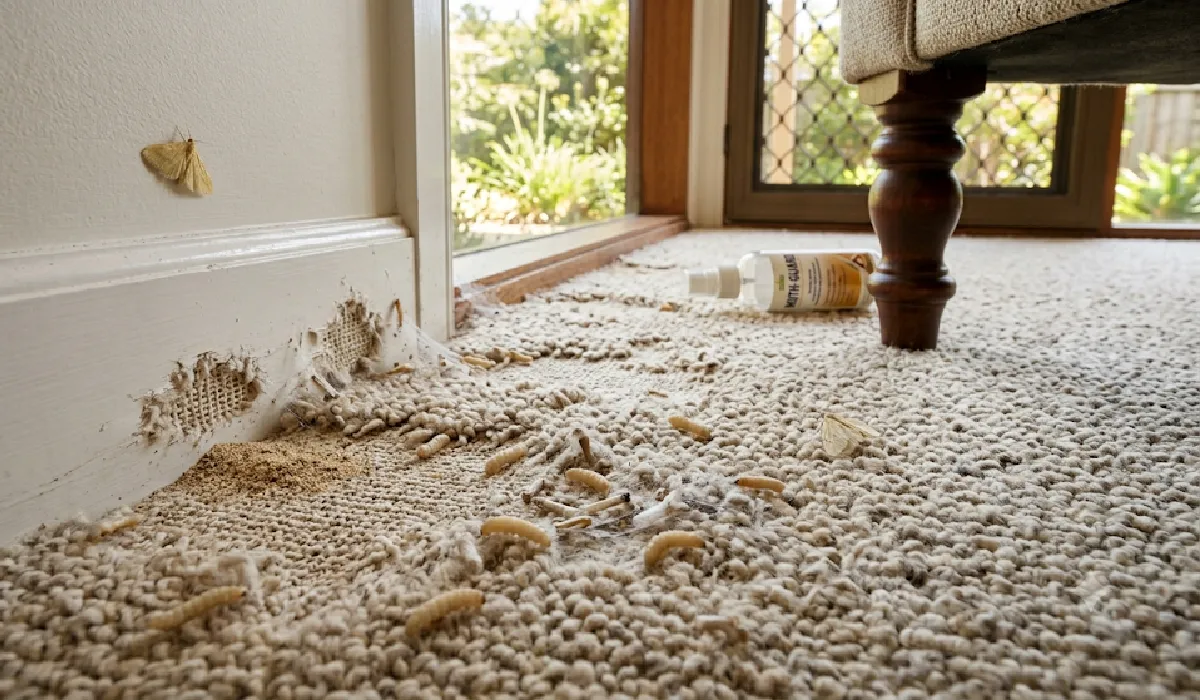
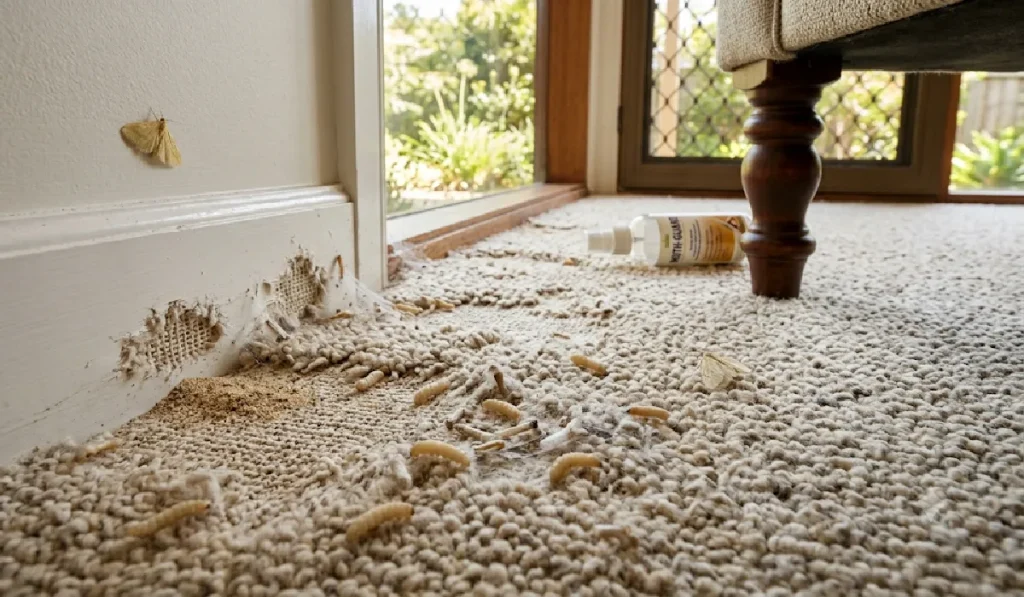
Adult carpet moths are small – typically 5 to 8 mm in length – and beige or light brown in colour. They are often seen fluttering low to the ground near carpets and soft furnishings but are themselves relatively harmless. The real culprit is the larva: a cream-coloured, worm-like creature that hatches from eggs laid in carpet fibres and feeds voraciously on natural materials including wool, silk, and cotton. Unlike carpet beetles, which cause similar damage and are sometimes confused with carpet moths, carpet moth larvae produce visible silken tubes or webbing as they feed.
The Carpet Moth Life Cycle
Carpet moths pass through four stages: egg, larva, pupa, and adult. Understanding this cycle is important for effective control, because most treatment products target specific stages.
- Egg: Female adults lay eggs directly into carpet fibres, particularly in dark, undisturbed spots. Eggs are small and difficult to see with the naked eye.
- Larva: This is the destructive stage. Larvae feed on natural fibres for several weeks to months, depending on temperature and food availability. Warmer conditions accelerate development.
- Pupa: Larvae spin a silken cocoon and pupate. Cocoons are sometimes found tucked along carpet edges, skirting boards, or even in wooden furniture nearby.
- Adult: Adult moths emerge, mate, and lay new eggs, continuing the cycle. Adults do not feed on carpet fibres but their sole purpose is reproduction.
A single female can lay dozens of eggs, and a warm Australian home provides ideal conditions for rapid reproduction. This makes early intervention important – a small problem can grow significantly within a single breeding cycle.
Signs of a Carpet Moth Infestation
Carpet moths are secretive pests and infestations often go unnoticed until visible damage appears. Knowing what to look for helps with early detection.
- Bare or thinning patches: Irregular worn-looking patches on wool or natural-fibre carpets, particularly in areas that receive little foot traffic, such as under beds or sofas.
- Silken webbing or tubes: Larvae spin fine, silky material as they feed, which can sometimes be seen pressed into carpet fibres.
- Small moths fluttering near the floor: Adult carpet moths are poor fliers and tend to flutter close to ground level, often spotted near rugs, skirting boards, or along walls.
- Shed larval cases: As larvae grow they shed their outer casing. These small, tube-like husks may be visible at carpet edges or under furniture.
- Damage to stored woollen items: If carpet moths have spread to wardrobes, you may also notice damage to woollen jumpers, blankets, or other stored garments – similar to the damage caused by wool moths.
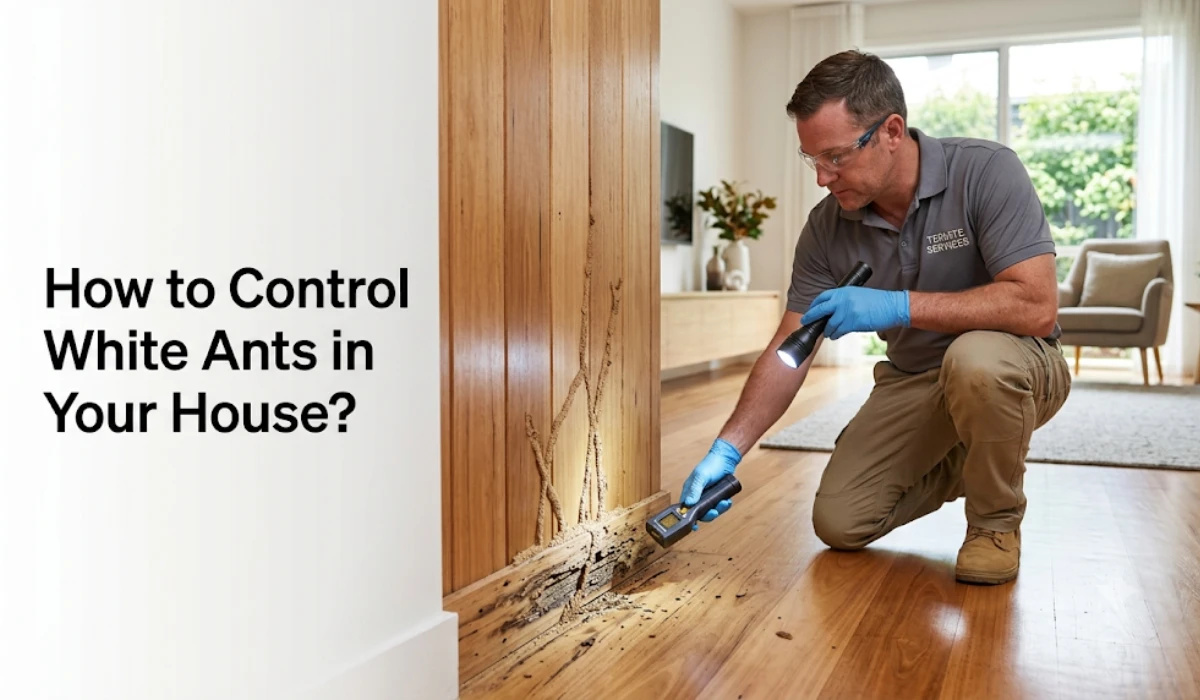
One practical check is to lift the edges of rugs or pull furniture slightly away from walls to inspect the underside of carpet fibres. Cream-coloured larvae hiding in compressed carpet near furniture legs or skirting boards are a clear indicator of an active infestation.
How to Get Rid of Carpet Moths: Step-by-Step
Removing carpet moths requires a multi-step approach that targets all life stages – eggs, larvae, pupae, and adults. No single method is sufficient on its own.
Step 1: Vacuum Thoroughly and Frequently
Begin with a deep vacuum of all affected areas, paying close attention to carpet edges, corners, under furniture, and along skirting boards – anywhere dark and undisturbed. Use the crevice attachment to reach into tight spaces. Immediately seal and discard the vacuum bag or empty the canister outside your home to prevent any larvae or eggs from re-entering.
Step 2: Steam Clean the Carpet
High-heat steam cleaning penetrates deep into carpet fibres and kills both eggs and larvae that vacuuming may miss. It is one of the most reliable non-chemical methods available. You can hire a steam cleaner or engage a carpet cleaning service. Focus on the same high-risk areas: edges, under furniture, and undisturbed corners.
Step 3: Use Pheromone Moth Traps
Sticky pheromone traps use a synthetic female moth attractant to catch adult male moths. Placing these around affected rooms helps reduce the breeding population and gives you a useful read on how active the infestation is. A high number of catches indicates a significant problem and may suggest professional treatment is needed.
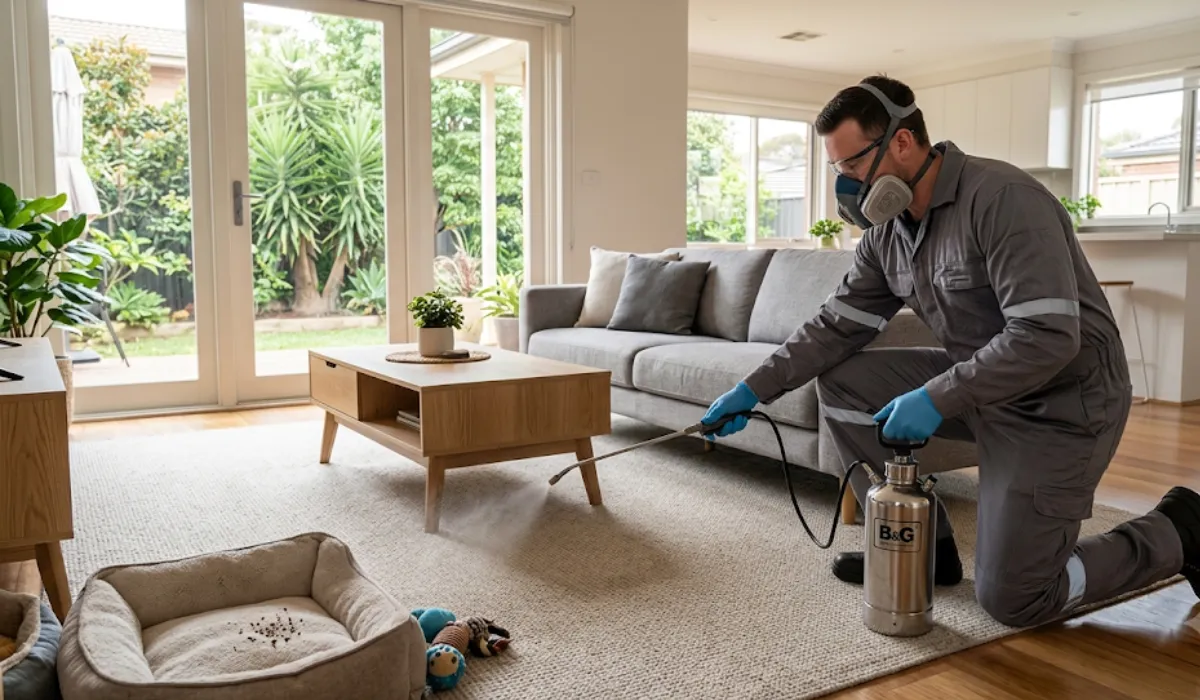
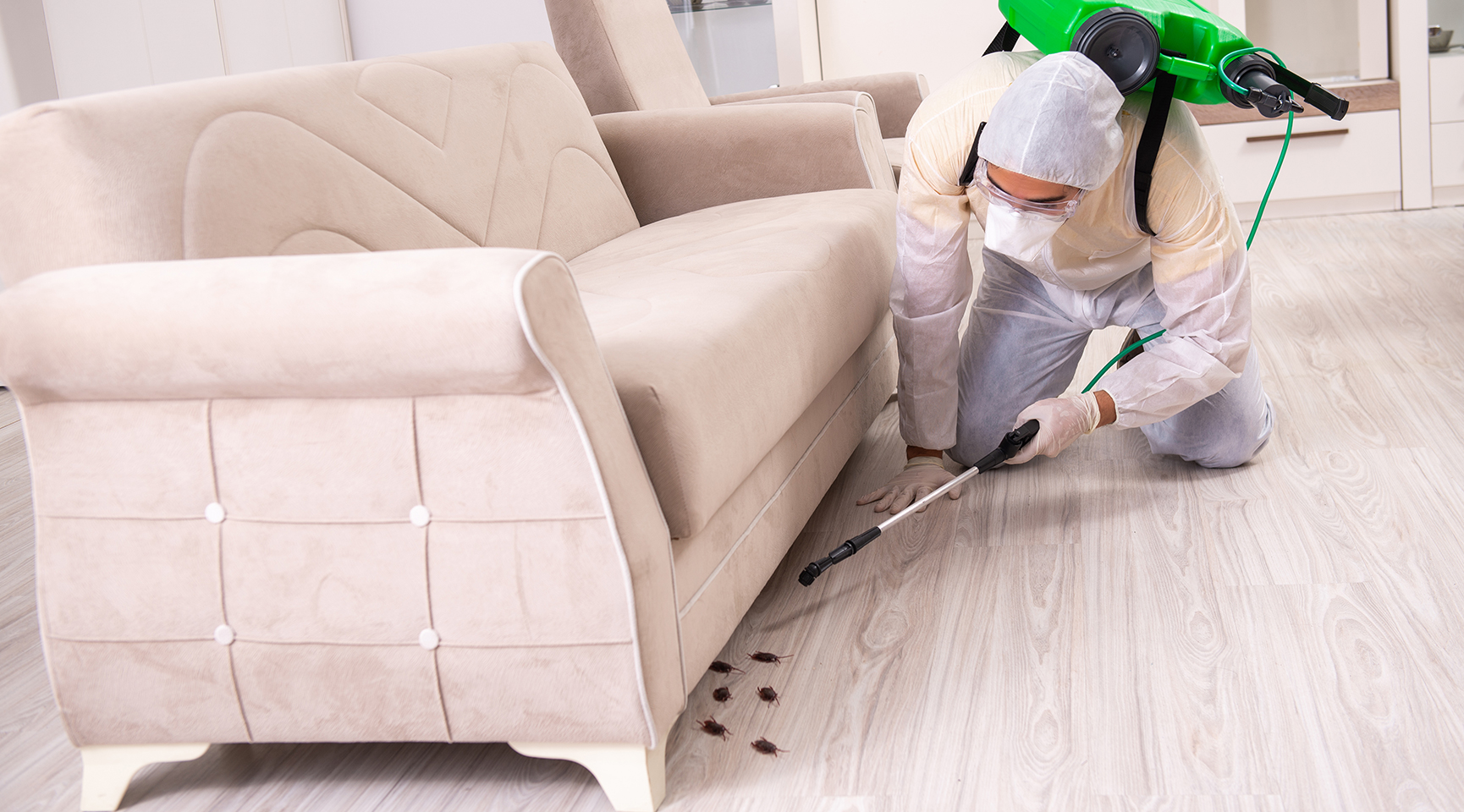
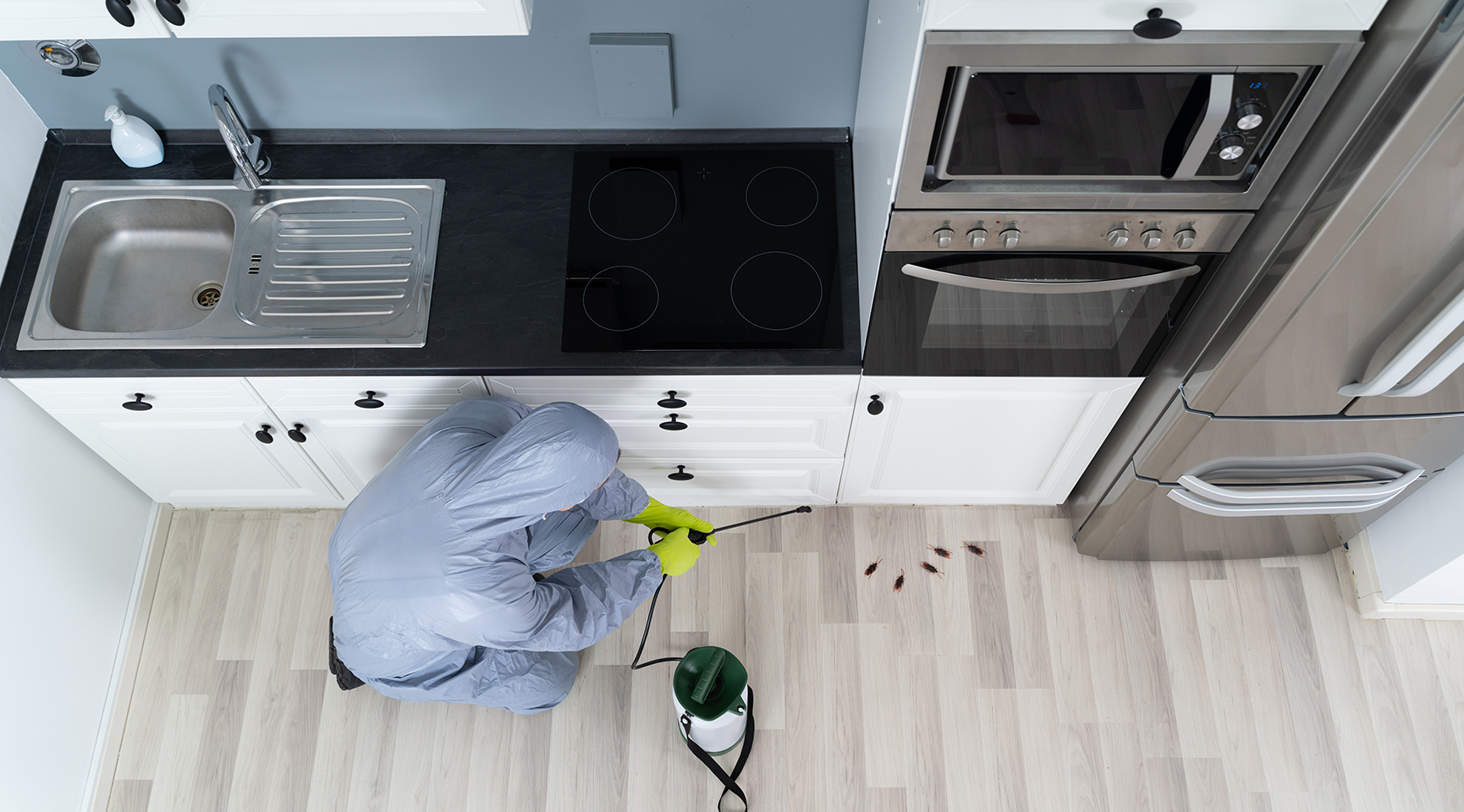
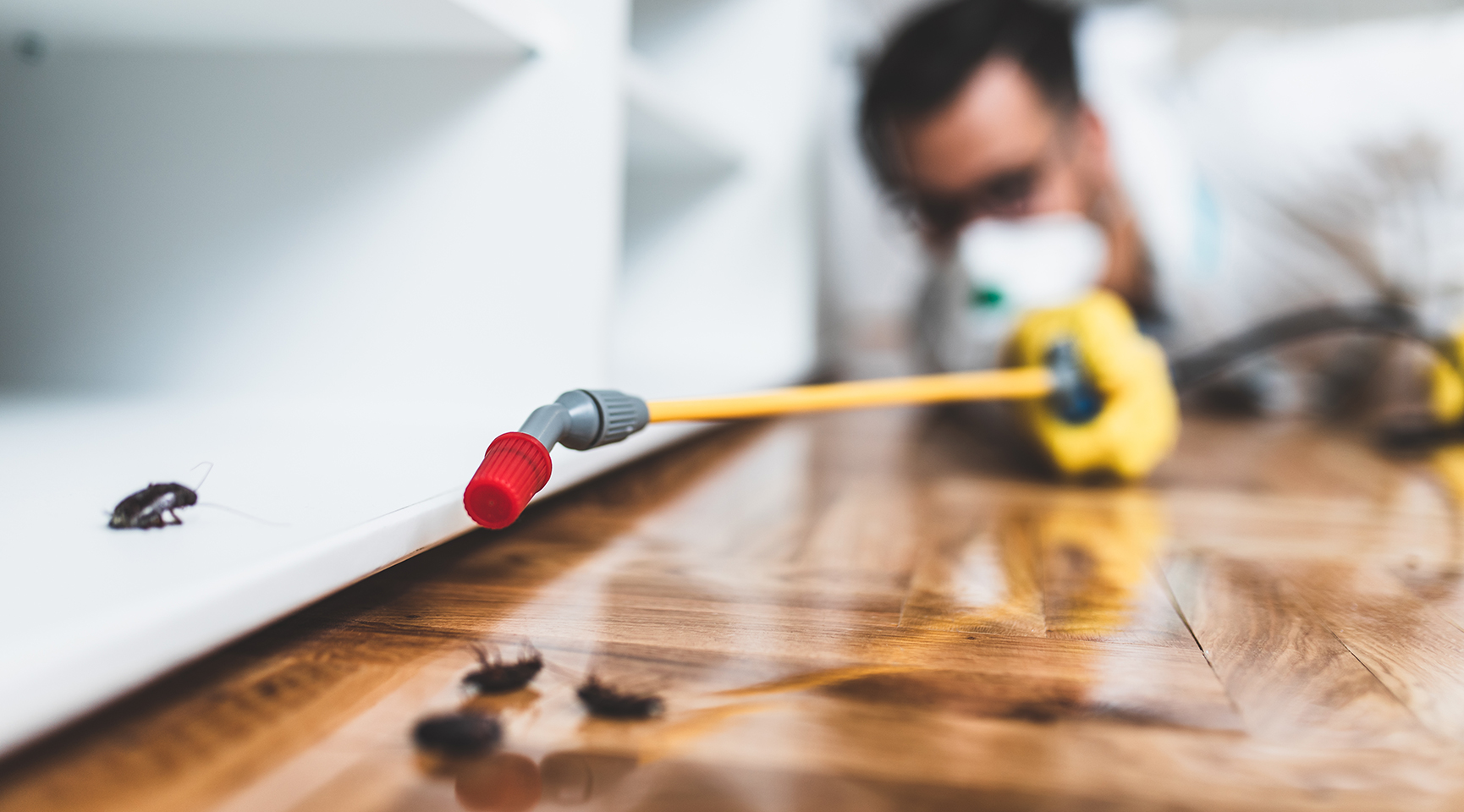
Step 4: Apply a Moth-Killing Spray or Powder
Insecticide products formulated specifically for carpet moths are available at hardware stores and pest control suppliers. Apply to affected areas following all label instructions carefully. Keep children and pets away from treated areas until the product has dried completely. Focus application on carpet edges, under furniture, and any areas where larvae or webbing were found.
Step 5: Freeze Small Infested Items
For small rugs, cushion covers, or woollen items that cannot be washed at high temperatures, freezing is an effective option. Seal the item in a plastic bag and place it in the freezer for a minimum of 72 hours. This kills both eggs and larvae without the use of chemicals.
Step 6: Wash or Dry-Clean Affected Textiles
Any rugs, mats, cushion covers, or woollen garments that show signs of damage or larval activity should be washed at the highest temperature the fabric allows, or professionally dry-cleaned. After treatment, shake out woollen clothing two to three days later to dislodge any remaining moths before returning garments to wardrobes.
Step 7: Use Natural Repellents for Prevention
Once the active infestation is under control, natural repellents can help discourage reinfestation. Lavender, cedarwood, and cloves are all known to be unappealing to carpet moths. Place sachets of dried lavender or cedarwood blocks in wardrobes, under furniture, and along skirting boards as a preventative measure.
What Attracts Carpet Moths to Your Home?
Carpet moths naturally inhabit outdoor environments – they are commonly found in birds’ nests, where they feed on feathers and keratin from discarded animal fur. They enter homes through open windows, doors, vents, and gaps in the building fabric. Second-hand rugs, furniture, and clothing can also introduce eggs or larvae into a previously unaffected home.
Once inside, they are drawn to:
- Natural fibre carpets and rugs – particularly wool, silk, and cotton
- Warm, dark, undisturbed areas such as under beds, behind sofas, and in corners
- Compressed carpet along furniture legs and skirting boards
- Wardrobes containing woollen garments, especially those stored infrequently
Synthetic carpets are rarely targeted, as carpet moth larvae cannot digest synthetic fibres. If your home is carpeted entirely in synthetic materials, the risk from carpet moths is much lower – though they may still damage natural-fibre rugs or furnishings placed over synthetic carpet.
Carpet Moths vs. Carpet Beetles: How to Tell the Difference
Carpet moths and carpet beetles cause very similar types of damage and are frequently confused. Both target natural fibres and both leave behind irregular bare patches. There are a few ways to tell them apart.
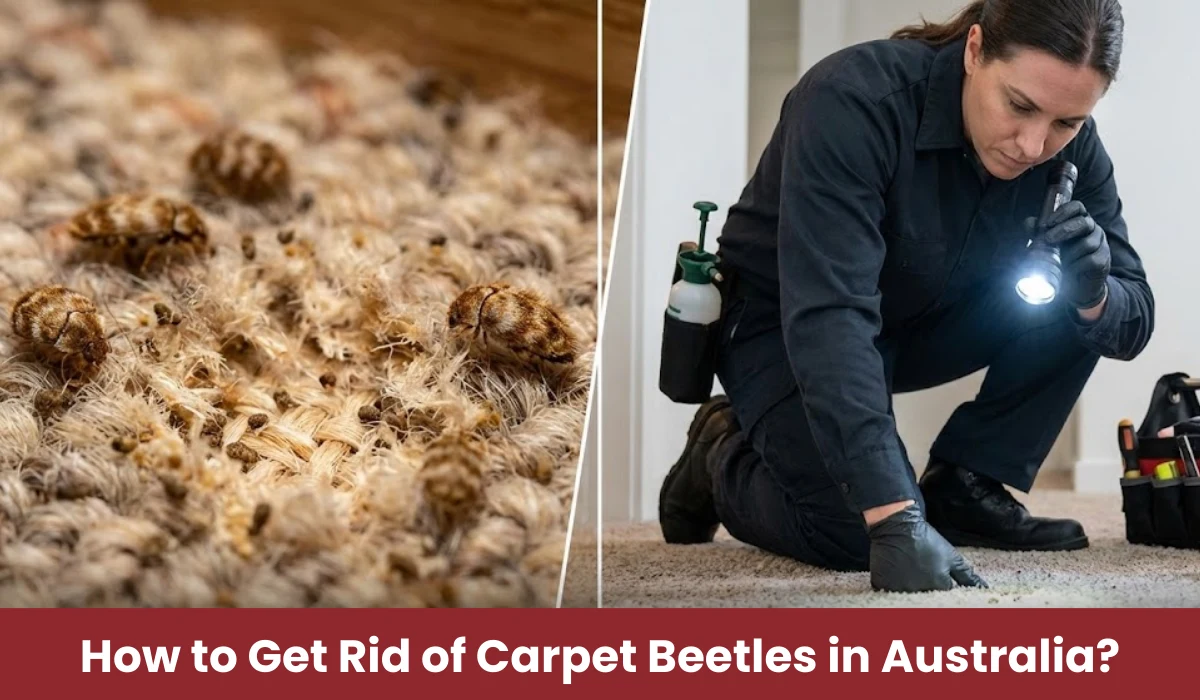
- Adult appearance: Adult carpet moths are winged and flutter near floor level. Carpet beetles are small, rounded, and crawl rather than fly indoors.
- Larva appearance: Carpet moth larvae are pale, worm-like, and may be surrounded by silken webbing. Carpet beetle larvae are brownish with visible bristle-like hairs.
- Damage pattern: Both cause fibre loss but carpet moth damage is often concentrated in one area, while carpet beetle damage can be more scattered.
If you are unsure which pest you are dealing with, a pest inspection can confirm the culprit and determine the right course of action. Identifying the pest correctly matters because some treatment products are more effective against one than the other.
When to Call a Professional Pest Control Service
DIY approaches work reasonably well for mild or very early-stage carpet moth activity, but there are situations where professional pest control is a more effective and practical choice. Consider calling in a professional if:
- The infestation has spread across multiple rooms or areas of the home
- Carpet damage is widespread or you have noticed larvae in wardrobes as well as on floors
- Multiple rounds of DIY treatment have not resolved the problem
- You have valuable wool rugs, antique carpets, or irreplaceable textiles at risk
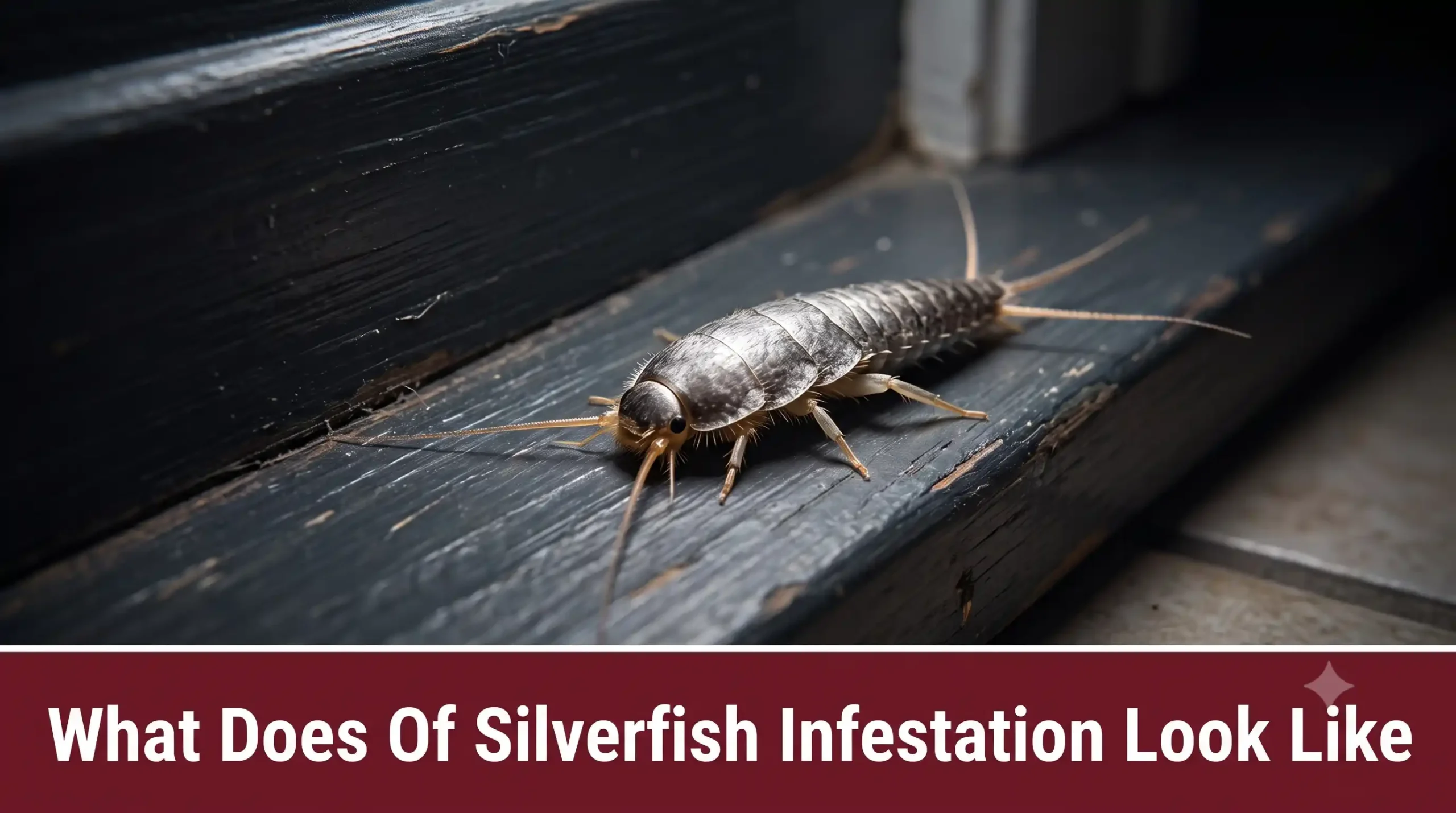
- You are unsure whether you are dealing with carpet moths or another similar pest such as silverfish
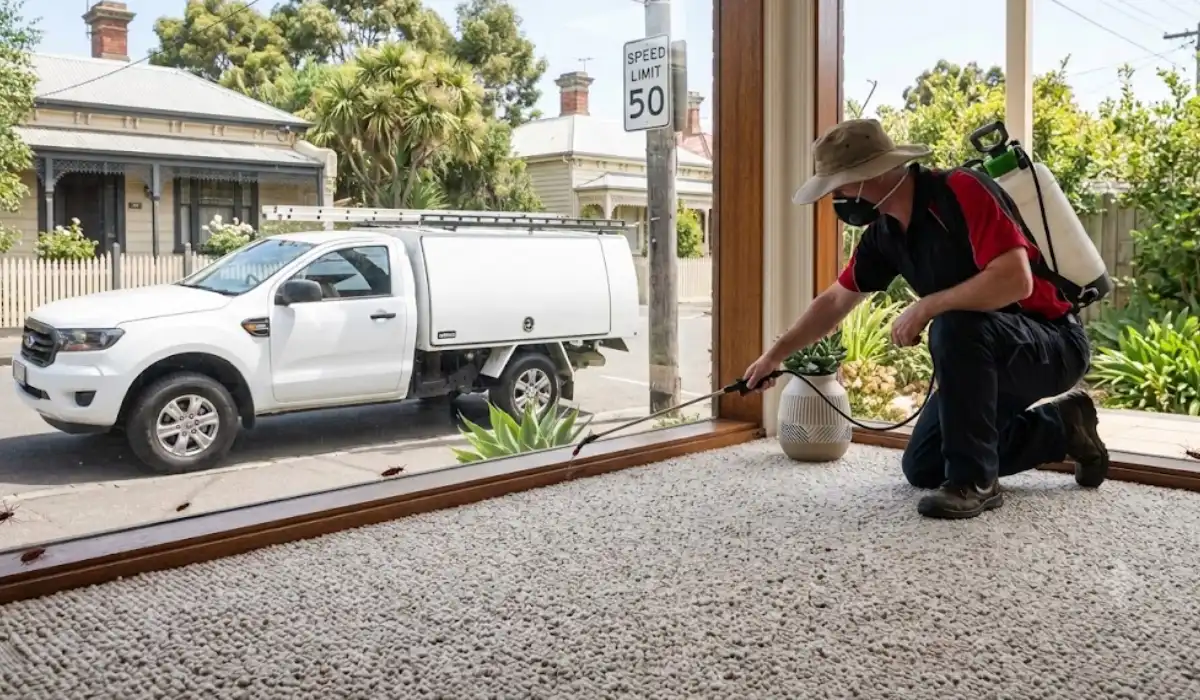
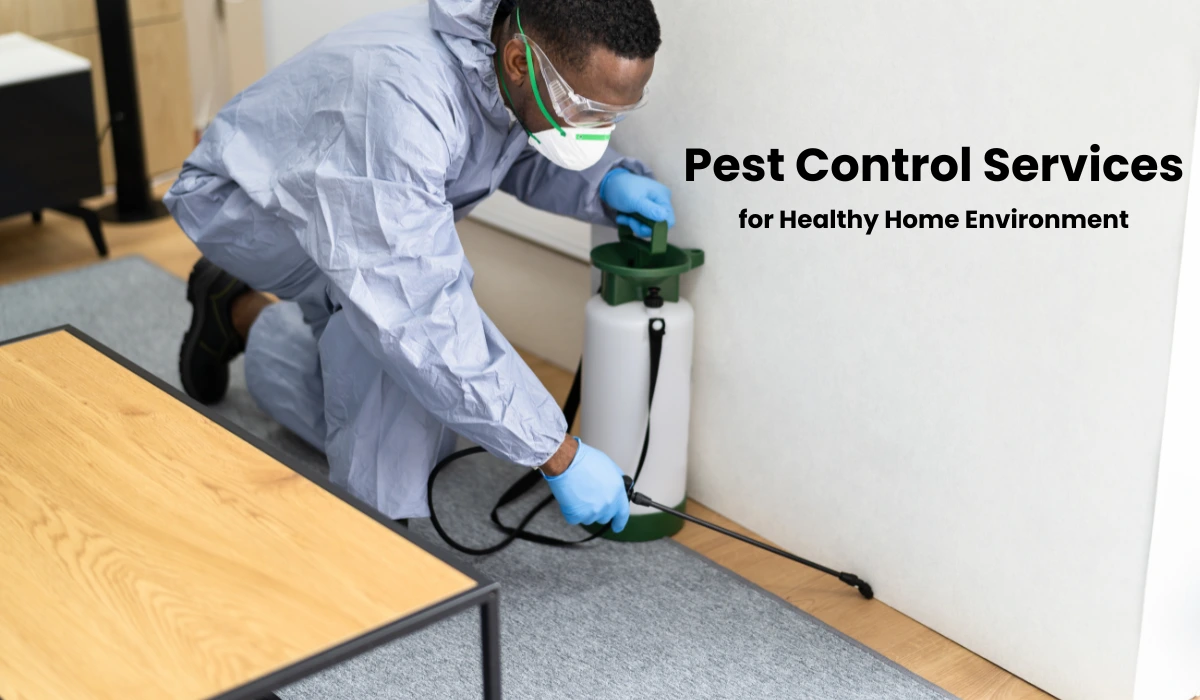
Professional pest controllers use a two-stage treatment approach: an initial spray application, followed by a return visit around 10 days later – timed to coincide with the end of a breeding cycle – to vacuum thoroughly and reapply product. This approach targets not just the current population but the next generation as well. Wardrobes and clothing storage areas are also treated as part of a thorough service. As explored in our guide to DIY vs professional pest control, established infestations almost always respond more quickly to professional treatment.
How to Prevent Carpet Moths Coming Back
Prevention is far easier than treatment once carpet moths are established. The following habits reduce the risk of future infestations significantly.
- Vacuum regularly and thoroughly: Weekly vacuuming including edges and under furniture disrupts egg-laying and removes larvae before they can establish.
- Inspect second-hand items before bringing them inside: Used rugs, cushions, and woollen furniture can harbour eggs. Inspect them carefully and consider freezing smaller items before use.
- Store woollen garments correctly: Wash or dry-clean woollen items before long-term storage, and store them in sealed bags or airtight containers with cedar or lavender repellents.
- Air and move furniture periodically: Regularly shifting furniture exposes dark, undisturbed areas to light and disturbance, making them less hospitable to carpet moths.
- Keep windows and doors screened: Fitting fly screens to windows and external doors reduces the chance of adult moths entering the home, particularly during warmer months when they are most active outdoors.
- Consider regular pest inspections: A routine inspection can detect early signs of carpet moth activity – or other common pests – before they become costly infestations.
Why Choose True Pest Control?
At True Pest Control, we take a careful, thorough approach to carpet moth removal and all household pest issues. Our team carries out a detailed inspection before recommending any treatment, so you know exactly what you are dealing with and what the plan involves.
- Experienced professionals who know the behaviour and life cycle of Australian household pests
- A multi-stage treatment approach that targets all life cycle stages, not just adult moths
- Attention to high-risk areas including wardrobes, skirting boards, and under furniture
- Safe, effective methods with clear aftercare guidance to protect children and pets
- Customer-focused service with prompt response and follow-up visits as needed
- Transparent pricing – for an overview of what to expect, see our guide to pest control costs in Australia
Conclusion
Carpet moths are a damaging but manageable pest. Acting early – at the first sign of adult moths or unexplained fibre loss – gives you a far stronger chance of resolving the problem before it spreads. For mild infestations, a rigorous programme of vacuuming, steam cleaning, and targeted insecticide can be effective. For established infestations, or where valuable natural-fibre carpets and rugs are at risk, professional treatment delivers more reliable results. Pair any treatment with ongoing prevention habits and you can protect your home’s textiles for the long term.
If you have spotted the signs of carpet moths in your home, contact True Pest Control for a prompt inspection and a clear plan to resolve the problem. We service homes across Melbourne and surrounding areas and are happy to answer any questions before you book.
Frequently Asked Questions
Ques 1: What do carpet moths look like?
Ans. Adult carpet moths are small and beige or light brown in colour, often spotted fluttering near floor level. Their larvae are cream-coloured and worm-like, growing to about 1 cm long. It is the larvae – not the adults – that cause damage to carpets and natural fibres.
Ques 2: Are carpet moths the same as clothes moths?
Ans. They are closely related but not identical. Both belong to the Tineidae family and are attracted to natural fibres such as wool, silk, and cotton. Carpet moths (Trichophaga tapetzella) tend to focus on floor-level textiles, while clothes moths more commonly target wardrobes and stored garments. Both can be present in the same home at the same time.
Ques 3: How do carpet moths get into the house?
Ans. Carpet moths commonly enter homes through open windows and doors, in second-hand furniture or rugs, or on clothing brought in from outside. They also naturally inhabit birds’ nests outdoors, feeding on feathers and keratin. Once inside, they seek warm, dark, and undisturbed spots – particularly under furniture, along skirting boards, and in corners.
Ques 4: What damage can carpet moths cause?
Ans. Carpet moth larvae feed on natural fibres including wool, silk, and cotton. This causes thinning, bare patches, and eventually holes in carpets, rugs, upholstery, and even stored woollen clothing. Damage is often hidden under furniture or along edges and may go unnoticed until it is severe.
Ques 5: Can I get rid of carpet moths myself?
Ans. Mild or early-stage infestations can sometimes be managed with thorough vacuuming, steam cleaning, pheromone traps, and moth-killing sprays. However, carpet moths reproduce quickly and larvae hide deep in carpet fibres and under furniture, making complete DIY removal difficult. For established infestations, a professional pest control service is often the more reliable approach.
Ques 6: How long does it take to get rid of carpet moths?
Ans. Treatment timelines vary depending on infestation severity. A professional treatment typically involves an initial application followed by a follow-up visit around 10 days later – after the breeding cycle – to vacuum thoroughly and reapply product. Ongoing prevention measures such as regular vacuuming and pheromone traps can reduce the risk of reinfestation.
Ques 7: Are carpet moths harmful to people or pets?
Ans. Carpet moths are not known to bite humans or pets and do not transmit disease. The harm they cause is to property – specifically natural fibre textiles such as wool carpets, silk rugs, and woollen garments. However, the insecticide sprays used in treatment should be applied carefully and pets and children should be kept away from treated areas until dry.