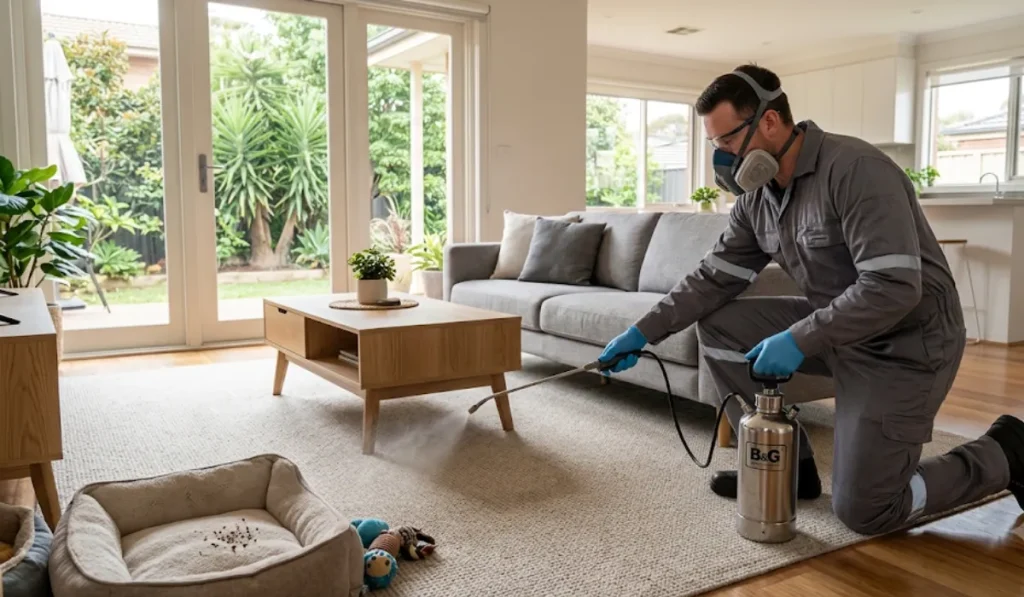
A flea infestation can take hold of a home faster than most people expect. Once fleas establish themselves in carpets, furniture, and bedding, standard sprays and over-the-counter products often fail to address the full scope of the problem. Fumigation – whether through flea bombs or a professional insecticide treatment – is one of the most thorough approaches available for bringing a serious infestation under control.
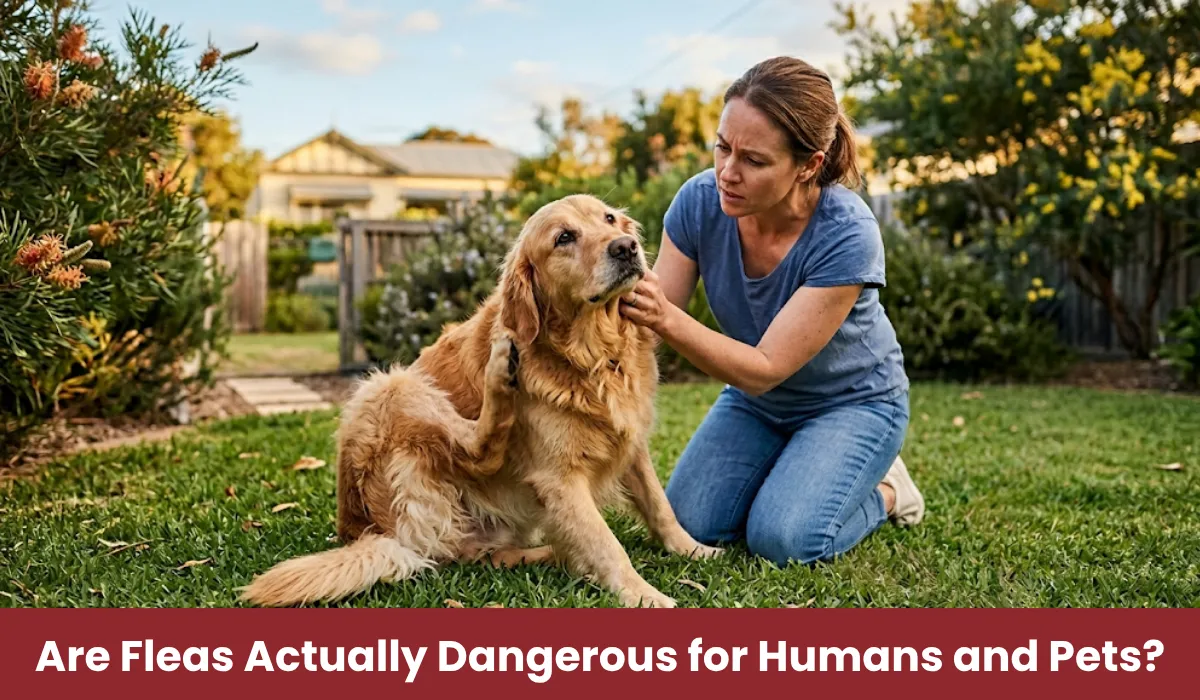
This guide walks you through exactly how to fumigate a house for fleas, from preparation through to post-treatment care – so you understand what the process involves and what to expect at each stage. If you need a quick reference for identifying whether fleas are actually the culprit, see our post on fleas and the health risks they pose to humans and pets in Australia.
Understanding What Flea Fumigation Actually Means
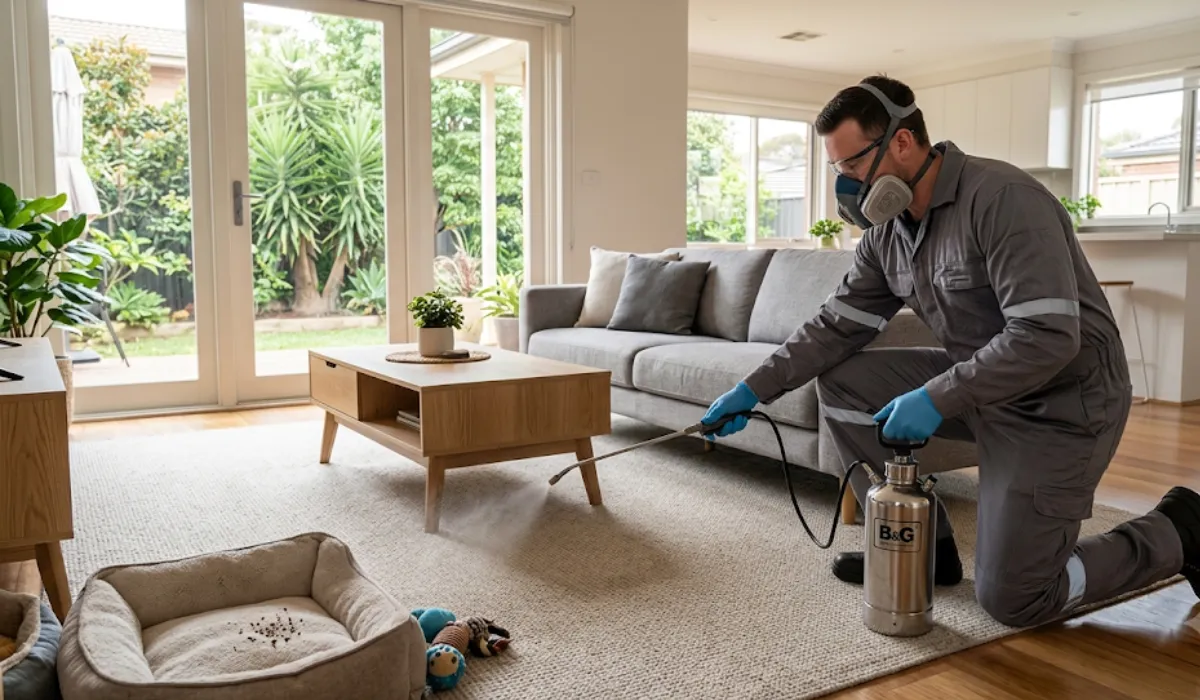
The term “fumigation” is used loosely when it comes to fleas. In a strict sense, fumigation refers to the use of gaseous chemicals dispersed through a sealed space to eliminate pests. For fleas specifically, what most homeowners and pest control companies mean by fumigation is either the use of total-release aerosol foggers – commonly called flea bombs – or a residual insecticide spray applied throughout the property by a pest control technician.
Both approaches aim to reach fleas hiding in carpets, under furniture, in skirting boards, and in cracks and crevices throughout the home. The key difference is that professional treatments typically use products with longer residual activity and cover more surfaces more evenly than DIY foggers can. For a broader overview of when professional involvement makes the most sense, our guide on DIY vs professional pest control is a useful starting point.
Before You Fumigate: Preparation Steps
Preparation is what determines whether fumigation works. Skipping or rushing the preparation phase is one of the most common reasons flea treatments underperform. Work through the following steps before any fumigation begins – whether you are using flea bombs yourself or having a technician treat the property.
Step 1: Vacuum the Entire Property Thoroughly
Vacuum all carpets, rugs, timber floors, furniture, and along skirting boards on the morning of the treatment. This removes adult fleas, loosens flea eggs and larvae from carpet fibres, and stimulates pupae to hatch – making them vulnerable to the insecticide. Discard the vacuum bag immediately in an outdoor bin after use, as it can contain live fleas and eggs.
Pay close attention to dark, warm areas where fleas prefer to lay eggs: under beds, behind lounges, inside wardrobes, and in any area where pets spend time.
Step 2: Wash All Bedding and Pet Items in Hot Water
Strip all beds and wash bedding, pet beds, and any fabric items that pets regularly come into contact with in the hottest wash cycle they can tolerate. Dry in a dryer or outside on a sunny day. Pet bedding is a primary flea harbour and needs to be washed before – not after – treatment to avoid reintroducing eggs into the treated environment.
Step 3: Remove All Pets and Have Them Treated
All pets must leave the property before fumigation begins and should not return until treated areas are completely dry – typically 3 to 5 hours after treatment, or as directed by your pest control technician. It is essential that pets are treated for fleas by a veterinarian at the same time the home is treated; treating only the home while leaving untreated pets is one of the leading causes of re-infestation.
Step 4: Clear Floor Areas and Move Furniture from Walls
Pick up all items from floors, including items inside wardrobes, under beds, and in hallways. Move furniture slightly away from walls to allow the treatment to reach skirting board areas and floor edges. Remove children’s toys, pet bowls, and any food from floor level and countertops in the kitchen.
Step 5: Secure or Remove Food, Medications, and Exposed Items
Place all food in sealed containers in the refrigerator or remove it from the property. This includes items in open pantries. Medications, toiletries, and anything applied to the body should be stored in a sealed bag or removed. Cover food preparation surfaces in the kitchen if they cannot be cleared.
Step 6: Evacuate All People – Including Vulnerable Household Members
All people must leave the property before fumigation begins. Pregnant women, infants, and children under 5 years of age should not return for at least 48 hours after professional treatment – even after the property has aired out. Always follow the specific guidance provided by your pest control technician, as re-entry times vary depending on the product used.
How to Use Flea Bombs (DIY Foggers)
Flea bombs – also called total release aerosols or foggers – are a common DIY option for homeowners dealing with a moderate flea infestation. The following steps apply to most flea bomb products available in Australia, but always read the specific product label before use, as instructions and safety requirements vary between products.
- Use one flea bomb per room as a starting point. Check the product label for coverage area per unit and adjust for larger rooms.
- Turn off all fans, air conditioners, and HVAC systems before activating the fogger. Close all windows and interior doors to the room being treated.
- Open all cupboards, drawers, and wardrobes in the room so the aerosol can penetrate hiding spots. Move belongings from inside to another area of the home first.
- Position the flea bomb in the centre of the room on a flat, stable surface – not on carpet or fabric, as the aerosol dispenses downward and can cause surface damage if placed incorrectly.
- Activate the fogger and leave the room immediately. Close the door behind you.
- Leave the product to work for the time specified on the label (typically 2 to 4 hours). Do not re-enter until that time has elapsed.
- After the treatment period, open all windows and doors to ventilate the property thoroughly for at least 30 minutes before re-entering for any length of time.
Flea bombs are effective at killing adult fleas but have limited reach into deep carpet fibres and offer little effect on flea pupae, which can hatch days to weeks after treatment. This is why seeing fleas reappear shortly after using a fogger is common – and why a follow-up approach is often needed. For context on what a flea infestation looks like at different severity levels, see our article on effective strategies for controlling fleas in your home.
Professional Flea Fumigation: What to Expect
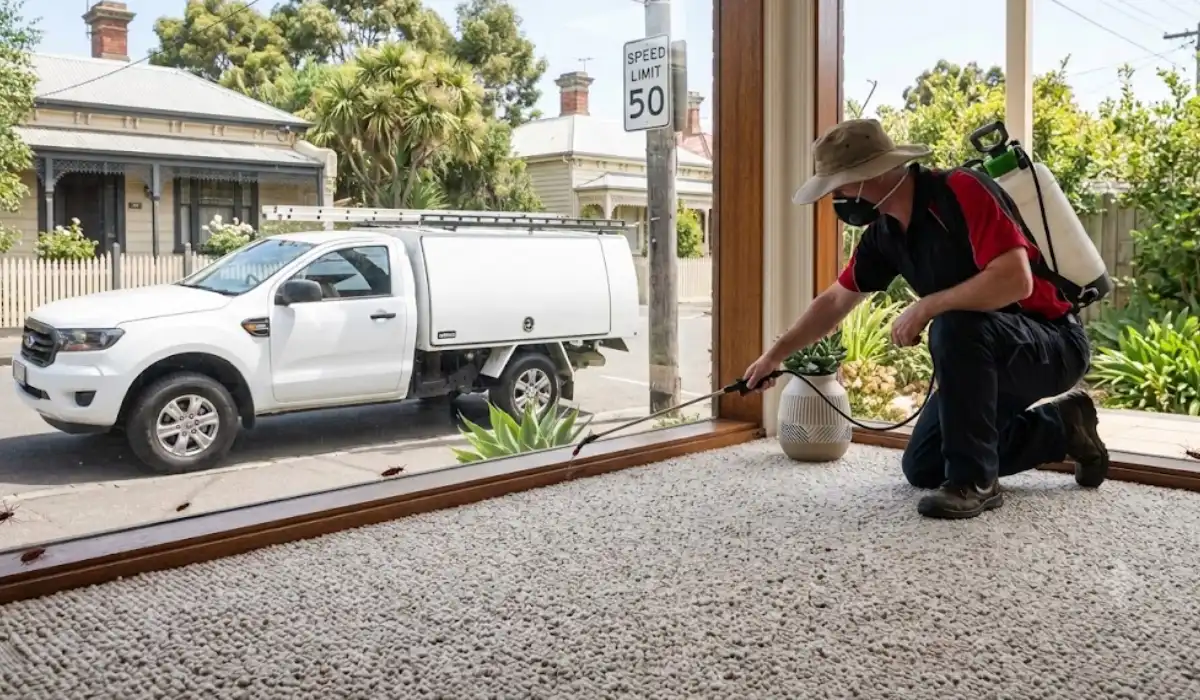
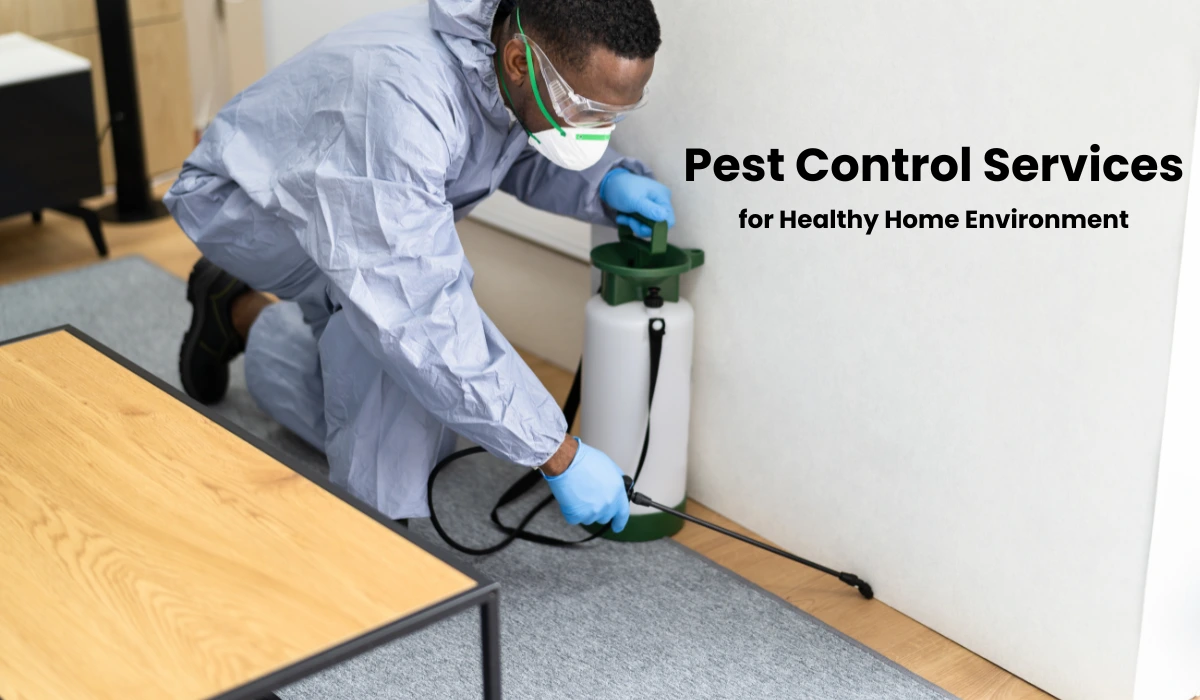
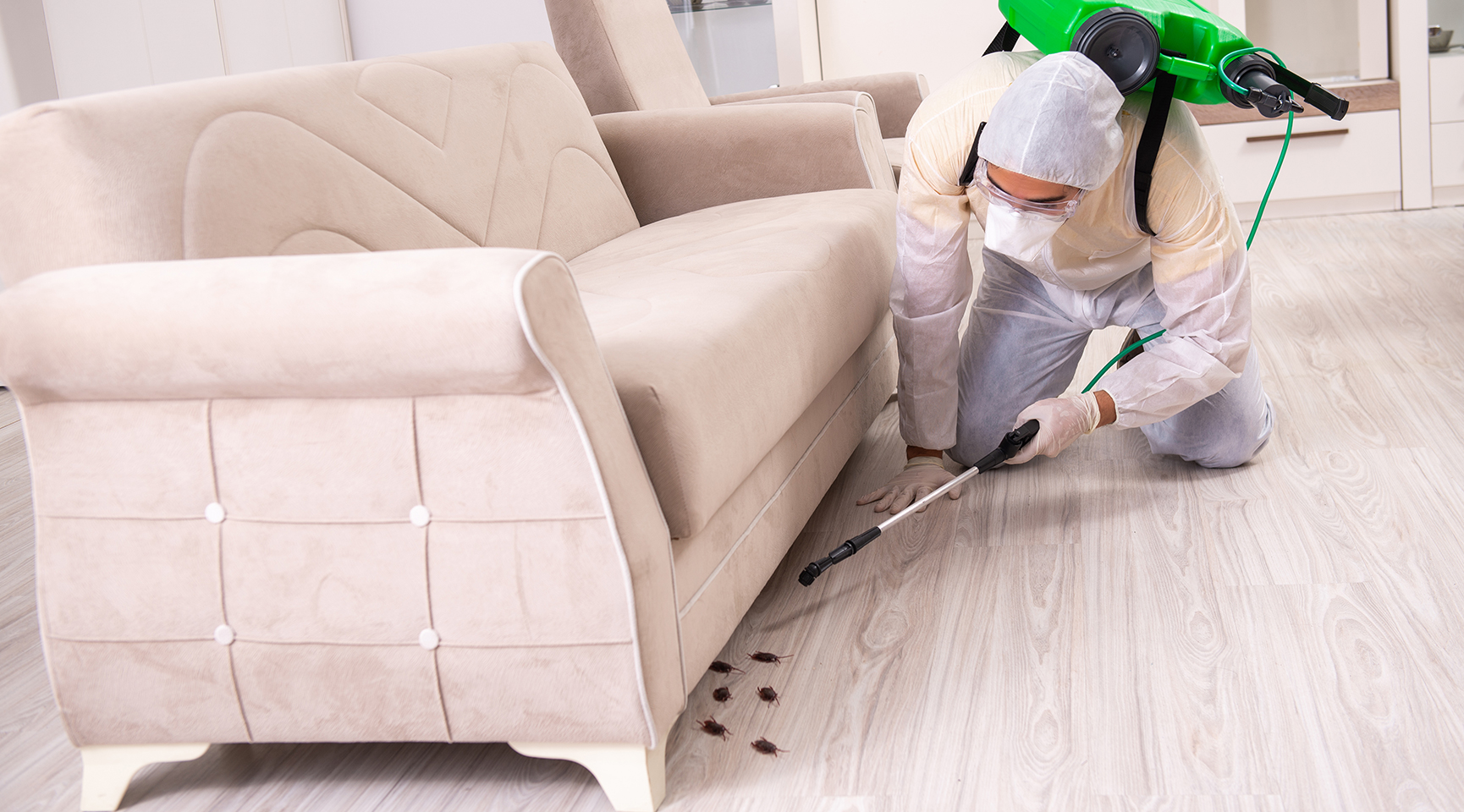
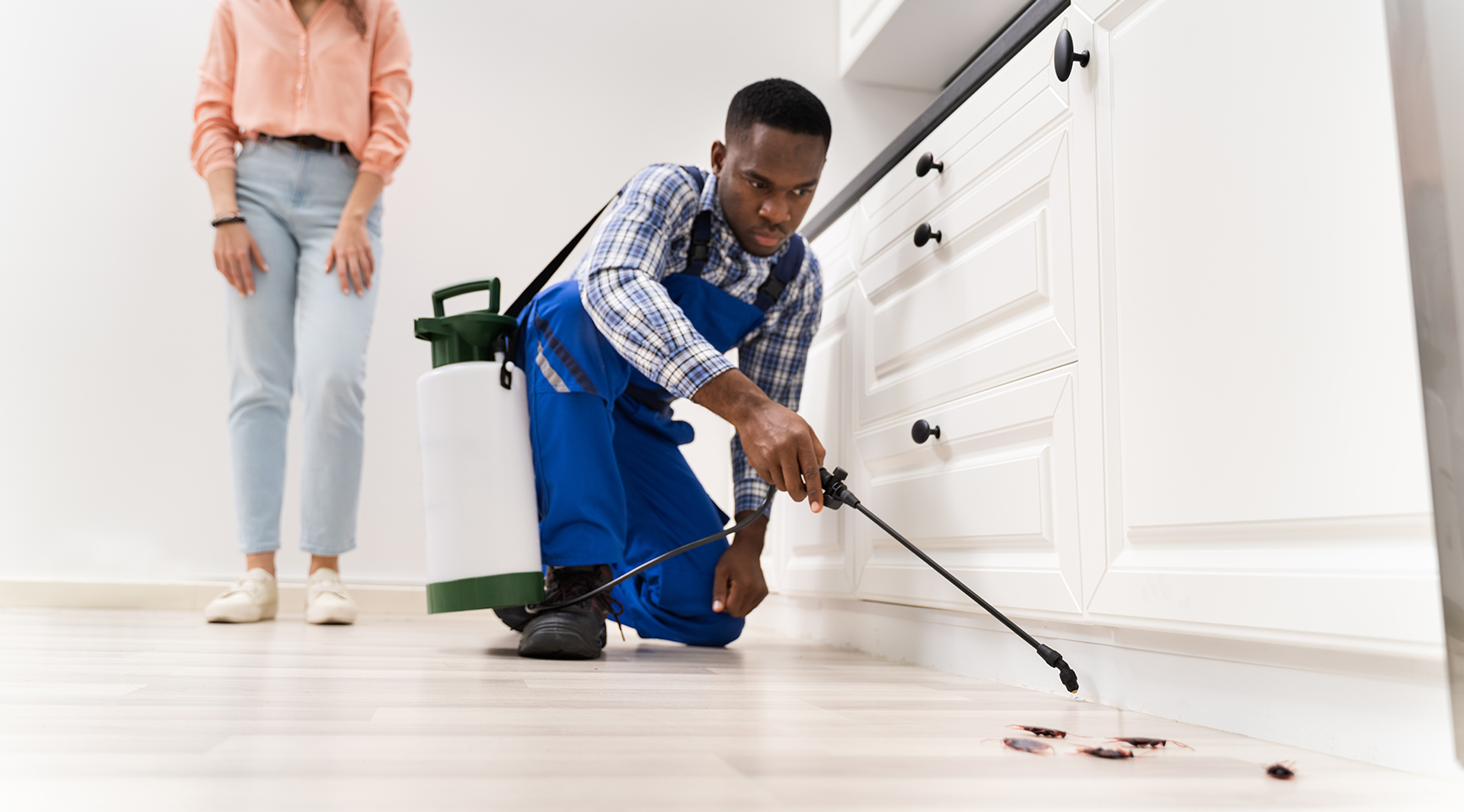
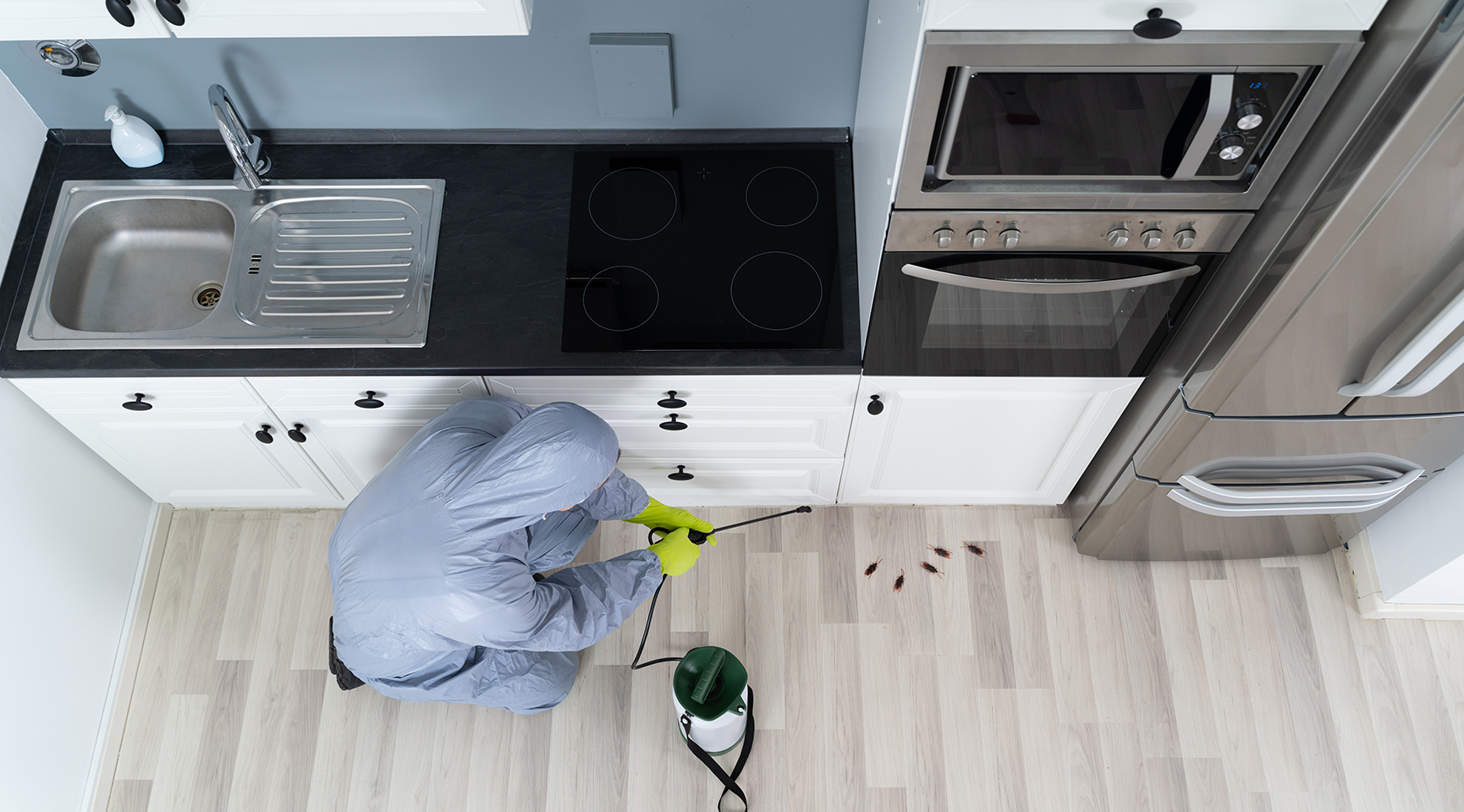
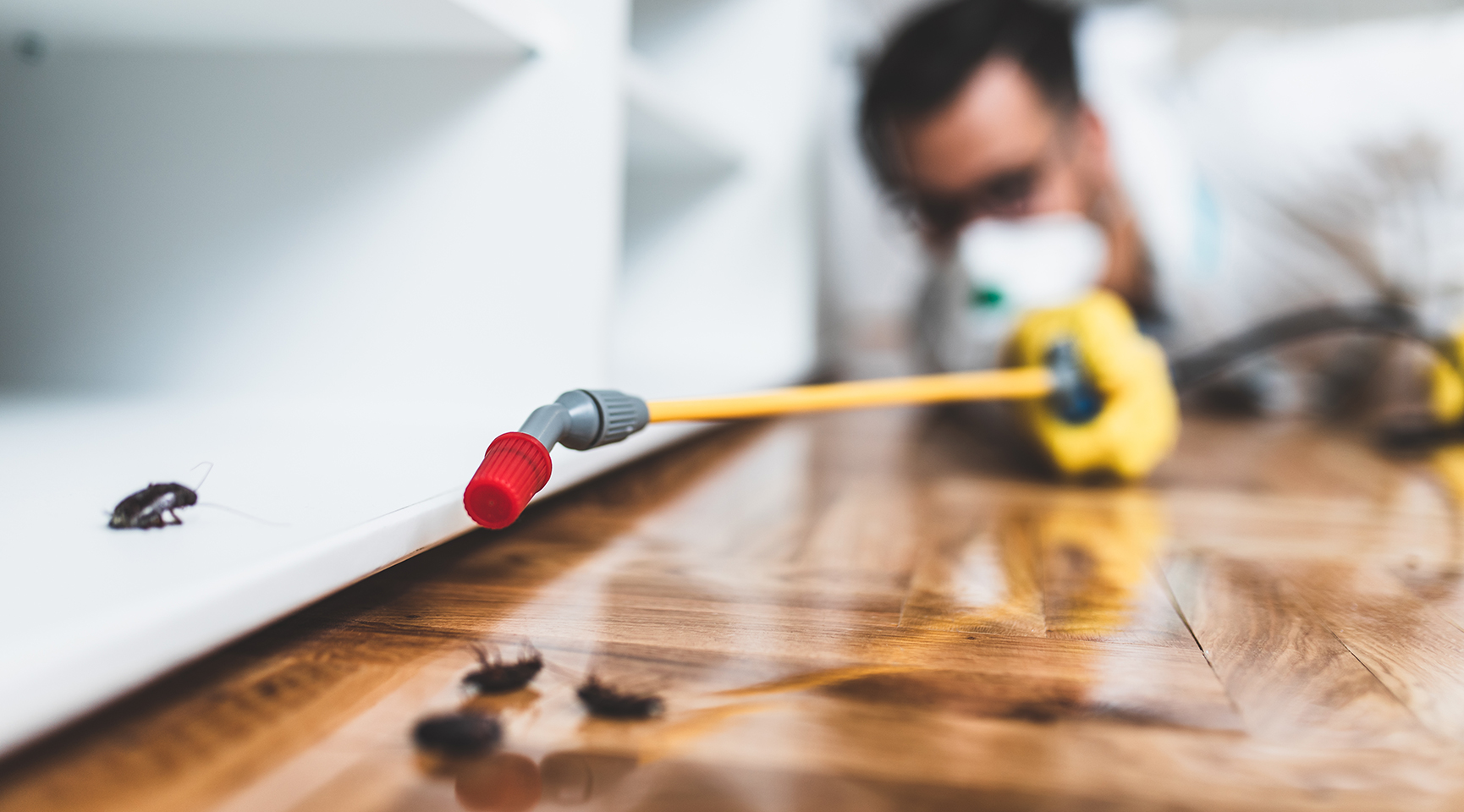
When a pest control technician treats a property for fleas, the approach is typically more comprehensive than DIY foggers. Technicians apply residual insecticide sprays to all floor surfaces – including carpets, timber floors, and tiles – as well as skirting boards, under furniture, and in cracks and crevices. Outdoor areas such as patios, decks, and garden areas where pets rest are also treated where needed.
Residual sprays used in professional treatments continue working on hatching fleas for several weeks after application, helping to address the ongoing hatch cycle that flea bombs cannot. This is particularly important given that flea pupae – the cocoon stage – are highly resistant to insecticides and need to be addressed as they hatch. For a full picture of the flea life cycle and why it makes infestations difficult to resolve quickly, our post on how to get rid of fleas covers this in detail.
The property needs to be prepared in exactly the same way as described above for professional treatment – thorough vacuuming, pet removal and treatment, floor clearance, and evacuation of the household. The technician will advise on re-entry times and any specific post-treatment instructions.
Treating the Yard at the Same Time
Treating the interior of the home while leaving the outdoor environment untreated significantly increases the risk of re-infestation, particularly where pets have outdoor access. Fleas can survive in shaded, moist areas of the garden – under shrubs, along fence lines, and in areas where pets rest.
Before outdoor treatment, mow the lawn short, remove pet items and outdoor toys, and take in any pet food bowls or water dishes. If a pest control technician is treating the property, discuss outdoor treatment at the same appointment to ensure both environments are addressed simultaneously.
What to Do After Flea Fumigation
Post-treatment care is just as important as preparation. Following these steps after fumigation helps the treatment work as intended and reduces the risk of re-infestation.
- Do not vacuum treated carpets and floors for at least 7 days. Vacuuming too early removes the residual insecticide before it has had time to act on hatching fleas.
- After 7 days, vacuum regularly. This stimulates flea pupae to hatch, exposing newly emerged fleas to the residual treatment still present in carpet fibres.
- Ventilate before re-entry. Open all windows and doors when returning to the property to clear any chemical odour and ensure adequate airflow.
- Continue pet flea prevention. Ongoing flea treatment for pets – whether topical, oral, or collar-based – is essential. Without it, pets reintroduce fleas continuously from the outdoor environment.
- Expect to see some fleas for up to 2 weeks. This is normal. Newly hatching fleas will still be present; the residual insecticide handles these over time. If fleas persist beyond 2 to 3 weeks, a follow-up treatment may be needed.
Understanding why fleas keep coming back is often the key to breaking the cycle. Our article on the health risks of common Australian pests explains how flea activity connects to broader pest pressures in Australian homes.
When DIY Fumigation Is Not Enough
Flea bombs can help manage a mild to moderate infestation, but there are situations where a DIY approach is unlikely to resolve the problem fully. If fleas are present throughout multiple rooms, if the infestation has persisted despite previous treatments, or if you are dealing with a rental property at end of lease, professional treatment is the more reliable path.
A skilled pest control technician can assess the extent of the infestation, select products suited to the specific situation, and apply them in a way that reaches the full flea life cycle – not just the adults. For a comparison of when to call in a professional versus managing the problem yourself, see our article on signs you need professional pest control in Australia.
Why Choose True Pest Control?
- Thorough property assessment: Our team evaluates infestation severity indoors and outdoors before recommending a treatment plan.
- Residual treatment methods: We use effective residual insecticides that continue working on hatching fleas for weeks after application – not just adult fleas present on the day.
- Whole-property approach: Interior floors, skirting boards, furniture zones, and outdoor pet areas are all addressed in a single visit where required.
- Clear post-treatment guidance: We walk you through exactly what to do – and what to avoid – after treatment so the service works as intended.
- Prompt service: We work to schedule appointments at a time that minimises disruption to your household.
- Customer-focused approach: Our team takes the time to answer your questions and explain the process so you know what to expect throughout.
Conclusion
Fumigating a house for fleas is a process that works well when preparation is thorough, the right method is matched to the severity of the infestation, and post-treatment care is followed carefully. Whether you use a flea bomb for a contained problem or bring in a pest control technician for a more extensive infestation, the steps you take before and after treatment are just as important as the treatment itself.
If you are dealing with a persistent or widespread flea infestation and need a thorough assessment, contact True Pest Control to arrange a property inspection. Our team provides reliable flea treatment across Australian homes, with a focus on addressing the full flea life cycle – not just the adults you can see.
Frequently Asked Questions
Ques 1: How long does flea fumigation take?
Ans. Professional flea fumigation typically takes 1 to 2 hours to apply, but you should stay out of the property for at least 3 to 5 hours afterwards – or until all treated surfaces are completely dry. Your pest control technician will advise on the exact re-entry timeframe based on the products used.
Ques 2: Do I need to wash everything after flea fumigation?
Ans. Avoid vacuuming or steam-cleaning treated floors and carpets for at least 7 days after fumigation, as this can reduce the effectiveness of the residual insecticide. Wash any exposed bedding, pet items, and clothing that were not removed before treatment.
Ques 3: Will flea bombs kill all life stages of fleas?
Ans. Most flea bombs and foggers kill adult fleas on contact but have limited effect on eggs and pupae. This is why it is common to see fleas re-emerge 1 to 2 weeks after treatment as eggs hatch. A follow-up treatment or residual spray from a pest control professional helps address these later life stages.
Ques 4: Is it safe to fumigate for fleas if I have pets?
Ans. All pets must be removed from the property before fumigation begins and should not return until treated surfaces are fully dry and the home has been ventilated. Pets should also be treated for fleas by a veterinarian at the same time as the home treatment to prevent re-infestation.
Ques 5: How many flea bombs do I need for my house?
Ans. As a general rule, one flea bomb or fogger is used per room. Always check the product label for the recommended coverage area per unit. Larger rooms or rooms with heavy infestation may require more than one unit.
Ques 6: Should I fumigate the yard as well?
Ans. Yes. Fleas can survive outdoors in shaded, moist areas of your yard – particularly where pets spend time. Treating the yard at the same time as the interior reduces the risk of re-infestation from outdoor sources. Mow the lawn before treatment and remove pet items, toys, and outdoor furniture from the areas to be treated.
Ques 7: Why am I still seeing fleas after fumigation?
Ans. Seeing some fleas for up to 2 weeks after treatment is normal. Flea pupae are highly resistant to insecticides and can hatch after the initial treatment. Vacuuming regularly (after the 7-day waiting period) stimulates hatching, which exposes newly emerged fleas to any residual insecticide still present in the environment.