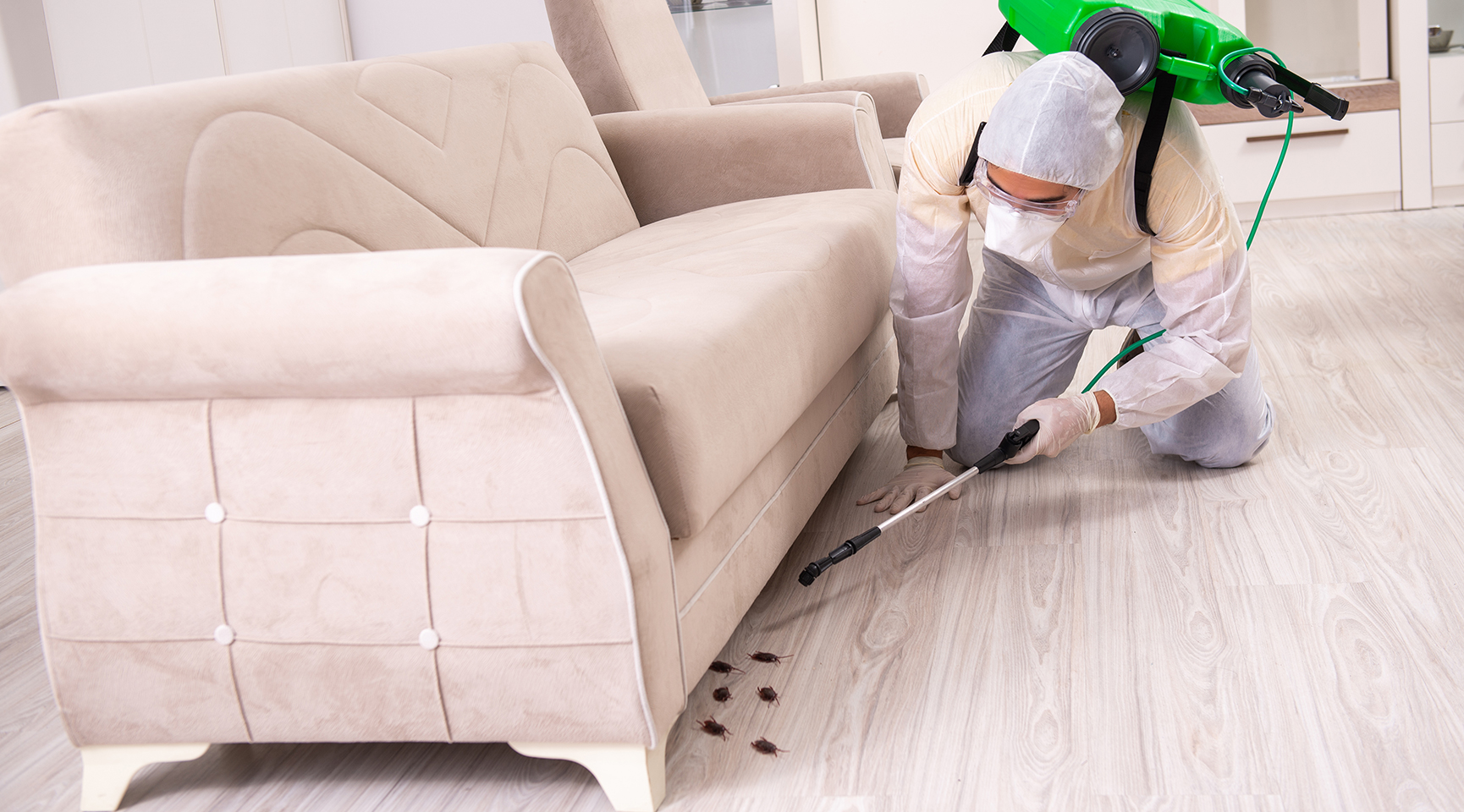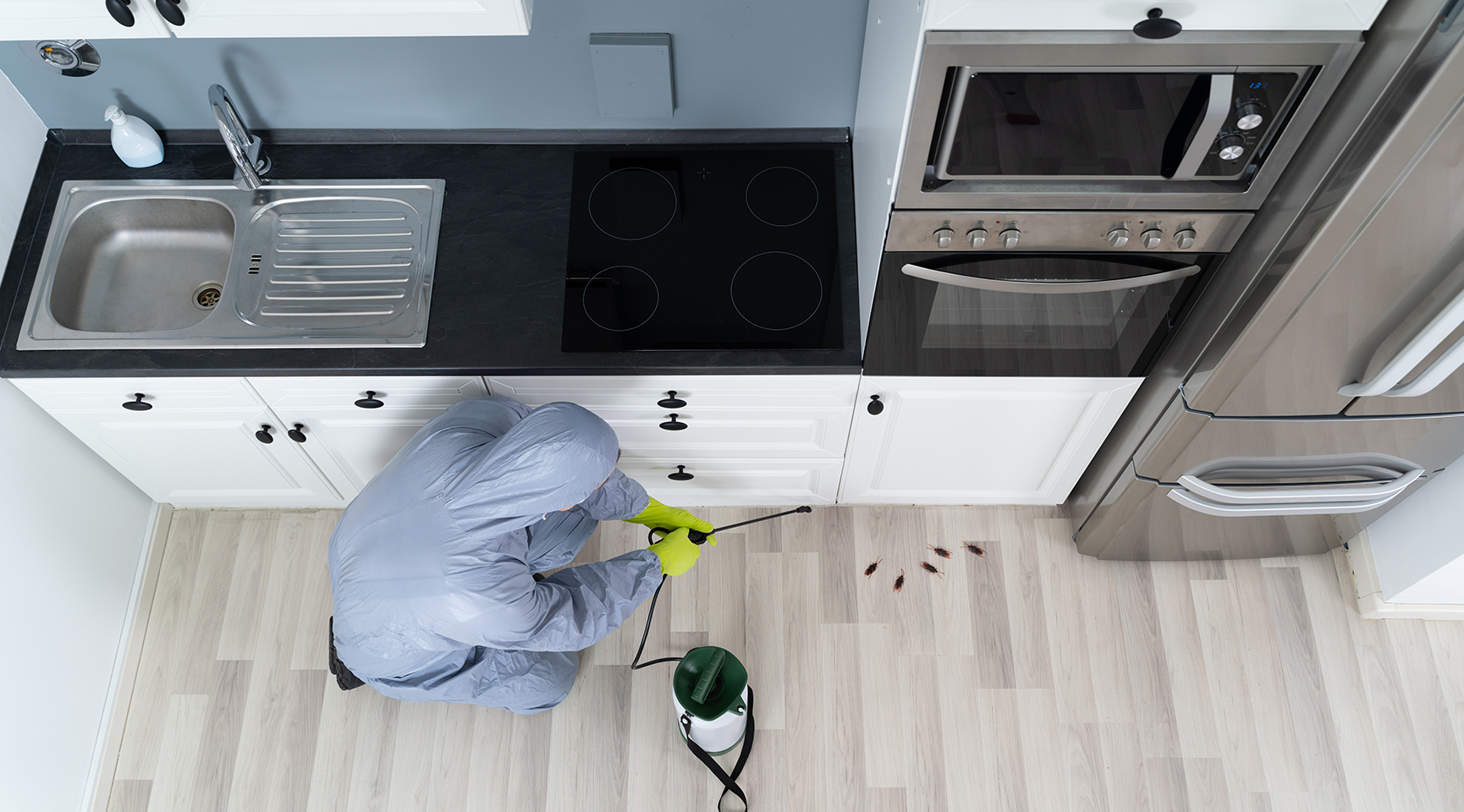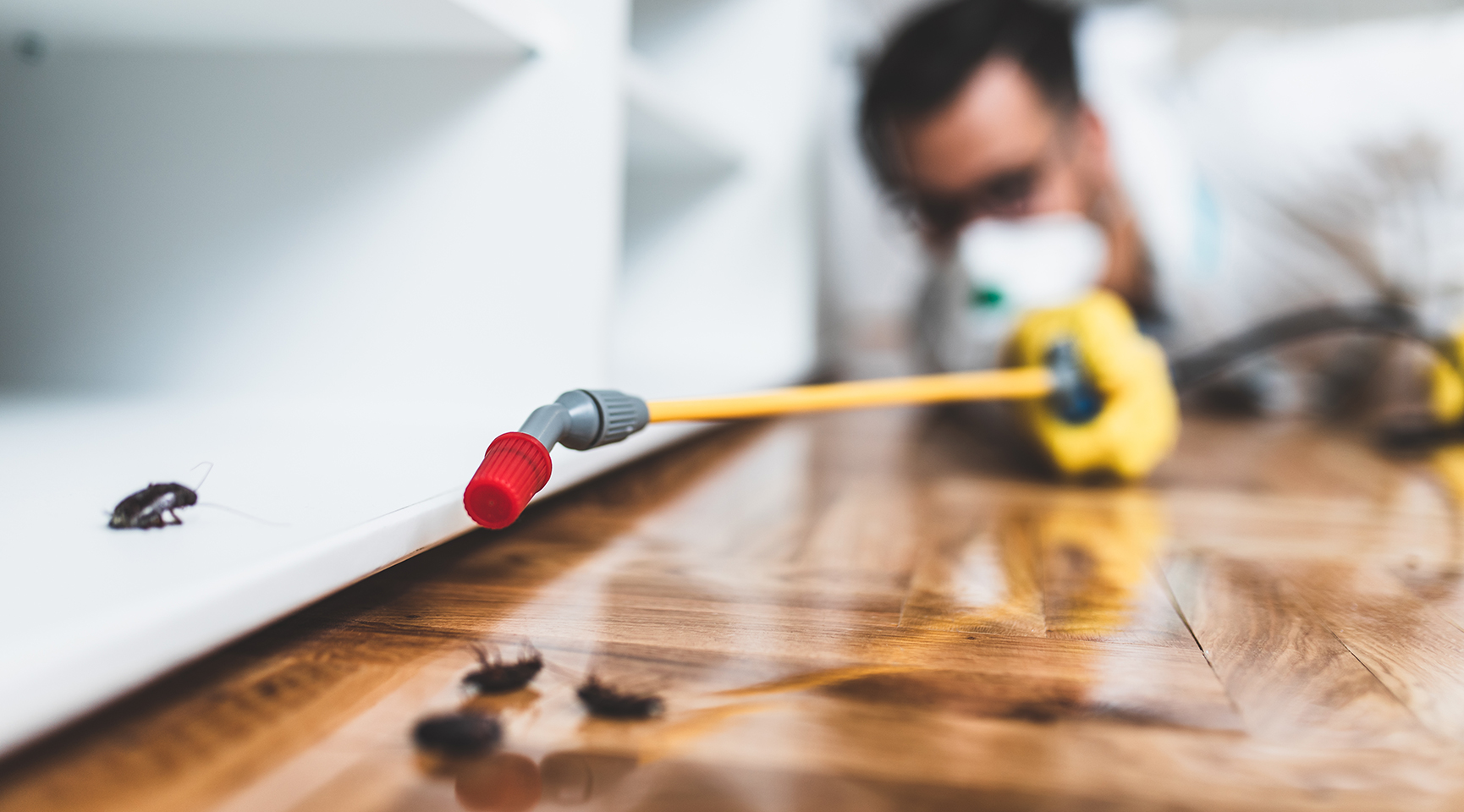
If you’ve heard someone mention “white ants” in their roof or under their floorboards, they’re actually talking about termites. White ants are one of the most damaging pests an Australian home can face, quietly working through timber for months or even years before the damage becomes obvious. Understanding what draws them in and how to disrupt their access to your home is the first step toward keeping your property protected.
In this guide, we’ll cover how to identify white ants, why they target certain homes over others, the practical steps you can take to control them, and when it’s time to bring in a pest control professional to deal with an active colony.
What Are White Ants?
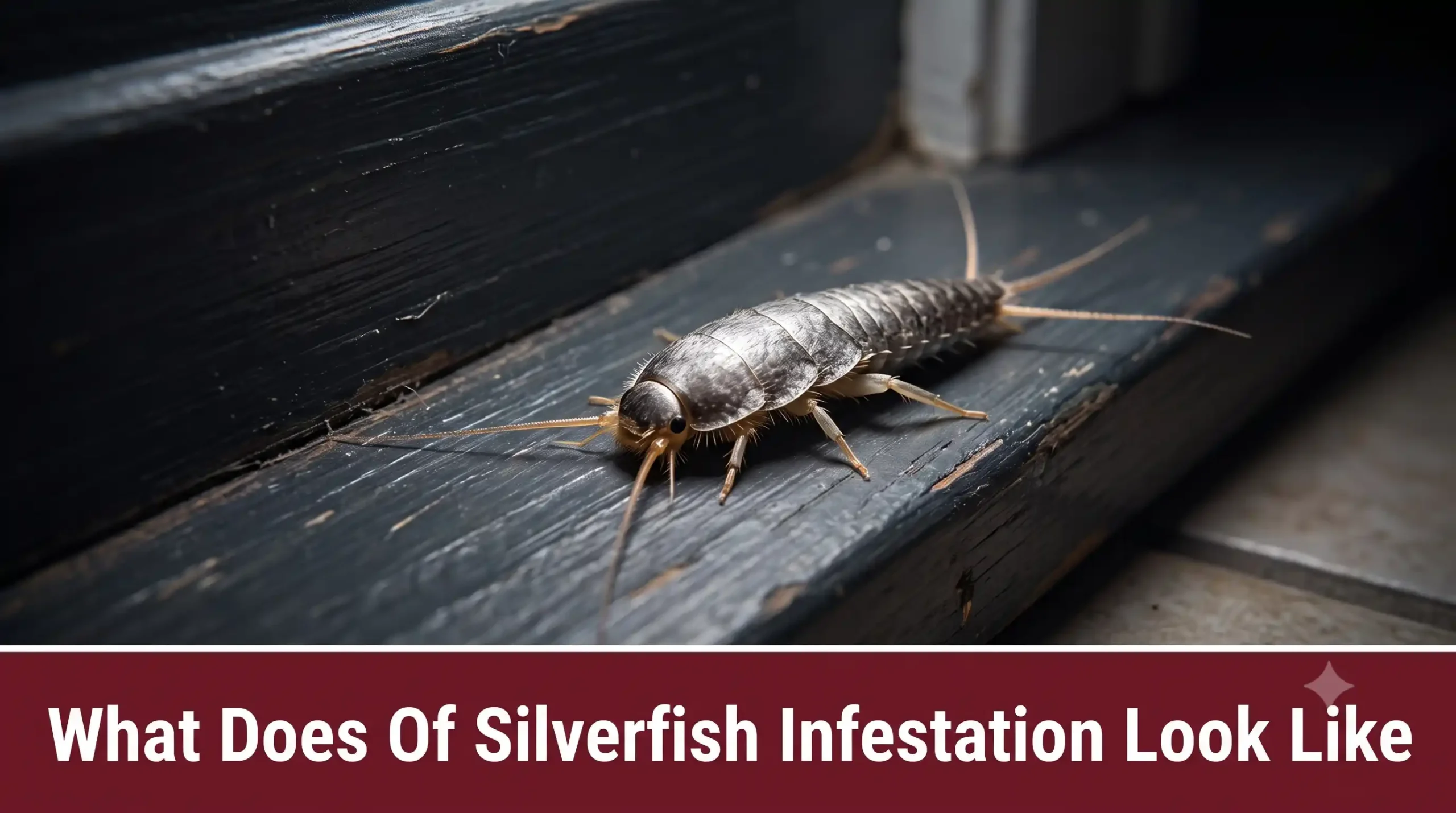
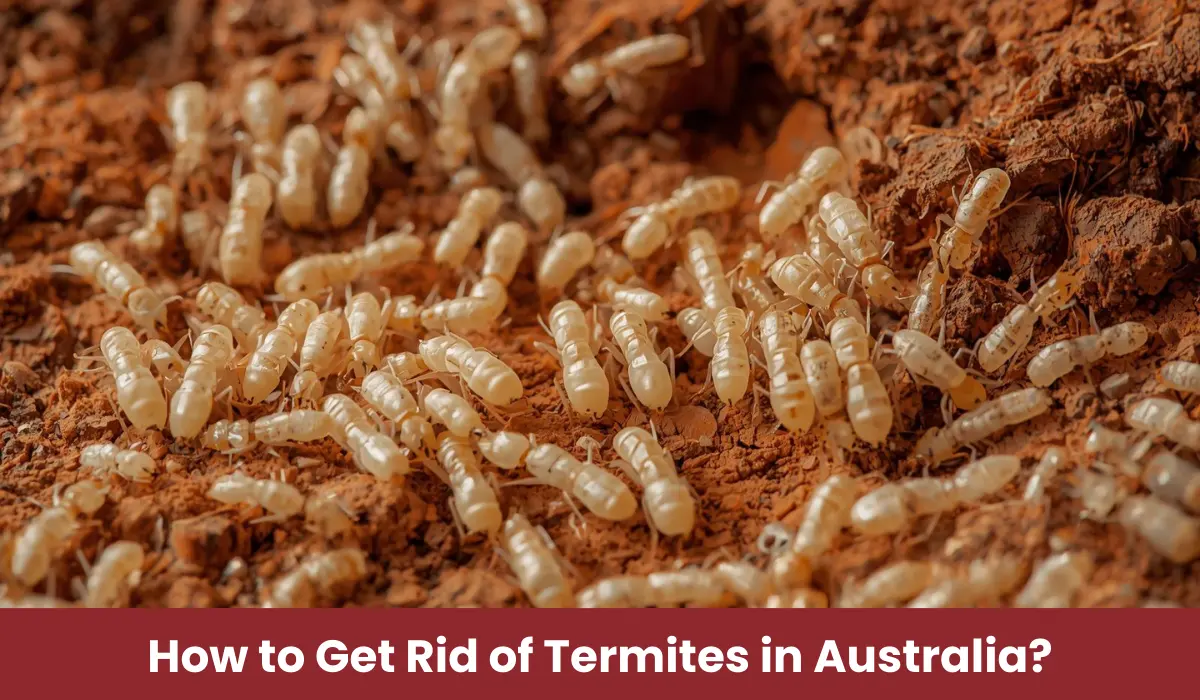
Despite the name, white ants aren’t ants at all – they’re termites, and the “white ant” label is simply a long-standing Australian nickname. They’re pale, soft-bodied insects that live in structured colonies made up of a queen, king, workers and soldiers. Workers are the ones responsible for feeding the colony, and they do this by consuming cellulose, which is found in timber, skirting boards, flooring and even paper and cardboard stored in a garage or shed.
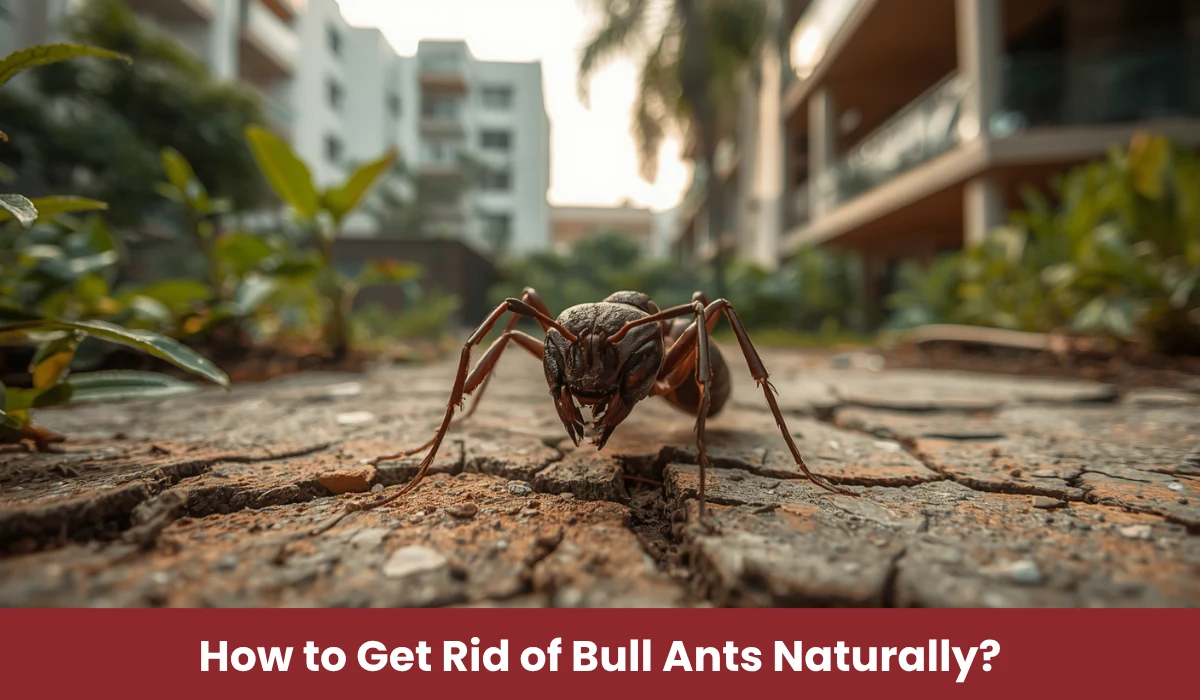
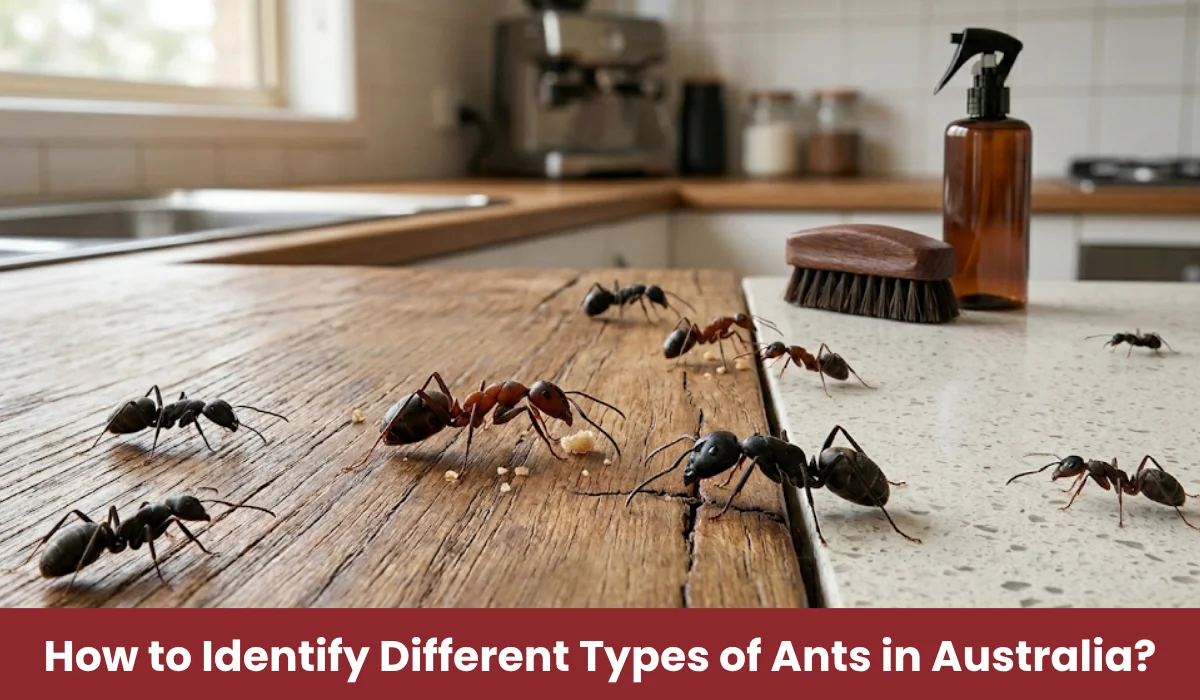
Because white ants generally avoid open air and light, an infestation can progress inside wall cavities or under flooring for a long time without being noticed. This is part of what makes them so different from the more familiar ants found around Australian homes – most garden ants forage in the open, while white ants tunnel through timber and soil, largely out of sight.
Why White Ants Target Certain Homes
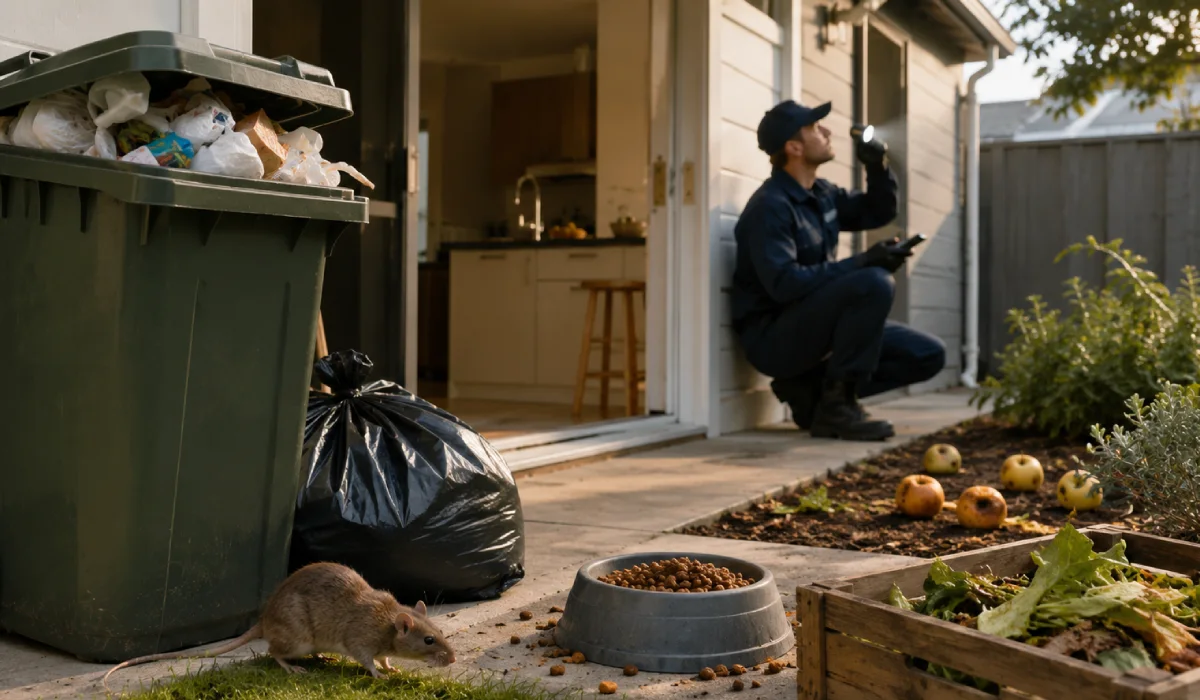
White ants are drawn to homes that offer easy access to food and moisture. A few common conditions make a property more attractive to them:
- Timber that’s in direct contact with soil, such as untreated fence posts, decking or stumps
- Persistent moisture from leaking pipes, poor drainage or blocked gutters
- Firewood, mulch or offcuts stored against exterior walls
- Tree stumps or roots left in the ground after removing a tree
- Cracks or gaps in a home’s foundation, slab or subfloor that give white ants a hidden entry point
These are broadly the same conditions that invite a range of other pests indoors, so it’s worth reading up on the common mistakes that invite pests into your home if you’d like a wider view of what to watch for.
Signs You Might Have a White Ant Problem
Because white ants work out of sight, spotting the early warning signs matters. Look out for:
- Timber that sounds hollow when tapped
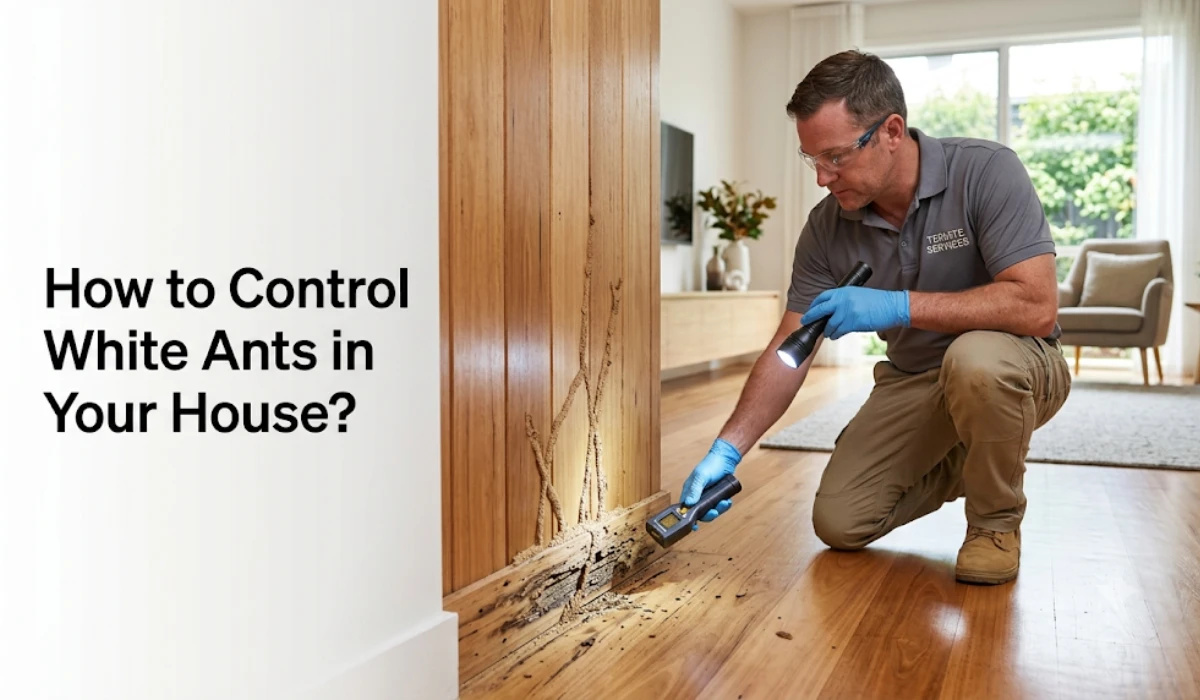
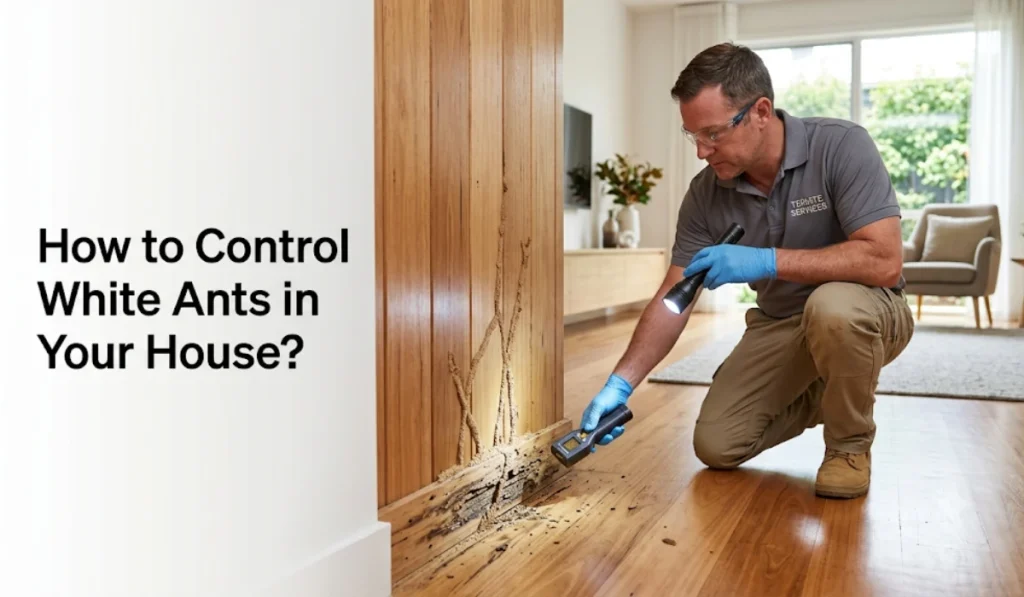
- Mud tubes running up piers, walls or foundations
- Discarded wings near windowsills or light fittings, often after a warm evening
- Small holes or blistering in skirting boards, door frames or architraves
- Paint or plaster that looks bubbled, warped or slightly sunken
- Doors or windows that suddenly stick or become harder to open
If any of these sound familiar, it’s worth reading our broader guide on the 10 signs your home has a hidden pest infestation, as several of these indicators overlap with other timber and structural pests.
How to Control White Ants in Your House
Controlling white ants is really about removing what attracts them and closing off their access points, alongside more targeted treatment for an active infestation.
1. Remove moisture sources
Fix leaking taps, pipes and gutters, and make sure water drains away from your foundations rather than pooling nearby. Damp subfloors and garden beds hard up against the house are exactly the kind of environment white ants look for.
2. Eliminate wood-to-soil contact
Where possible, use concrete or metal separators between timber structures and the ground. This includes fence posts, garden edging, decking and stumps, all of which give white ants a direct bridge from soil to timber.
3. Store timber and firewood away from the house
Keep firewood, timber offcuts and mulch piles elevated and at a distance from external walls. Stacked timber against a house is one of the easiest ways to invite white ants closer to your home.
4. Seal cracks and entry points
Check your slab edges, weep holes, and areas around plumbing or utility penetrations for gaps. Sealing these reduces the hidden pathways white ants rely on to move between soil and timber undetected.
5. Consider bait and monitoring systems
Termite bait stations placed around a property’s perimeter can help detect activity early and, over time, reduce colony numbers. These work alongside regular inspections rather than replacing them.
6. Chemical soil treatments and barriers
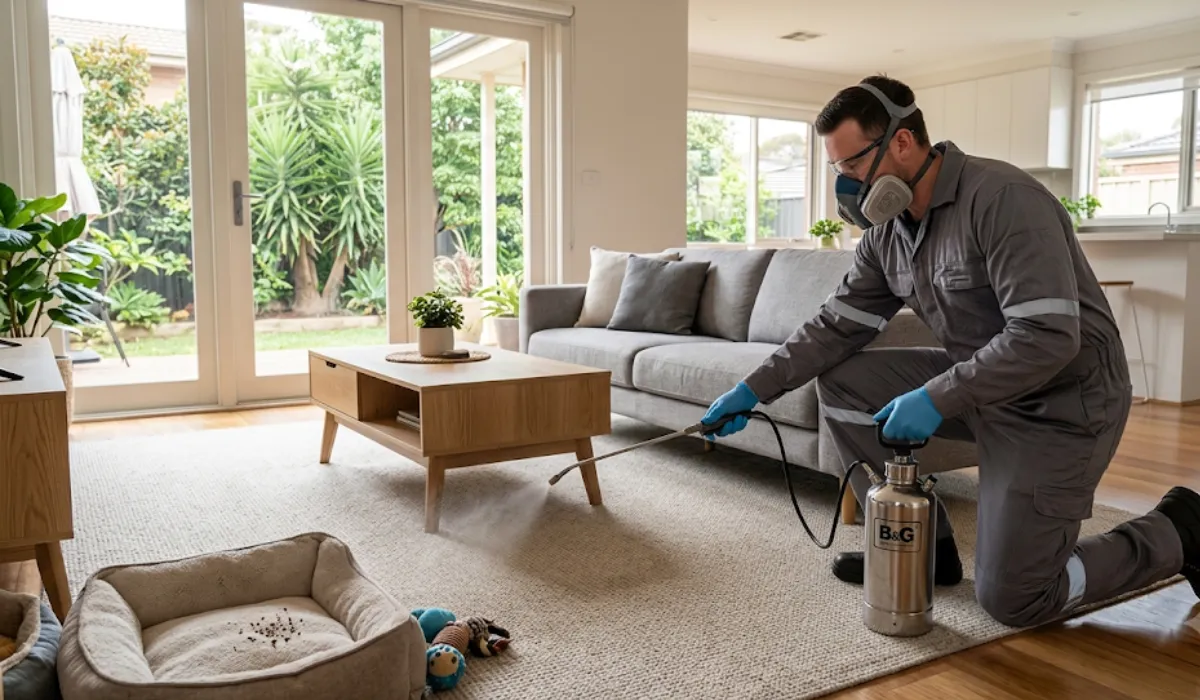
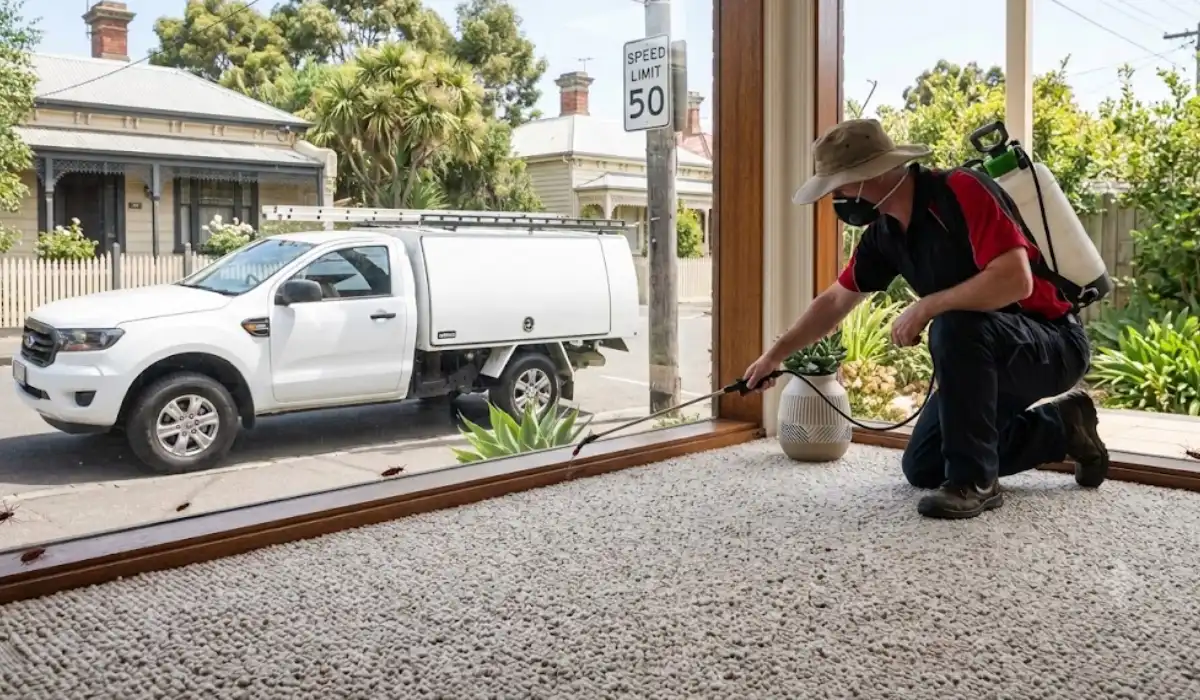
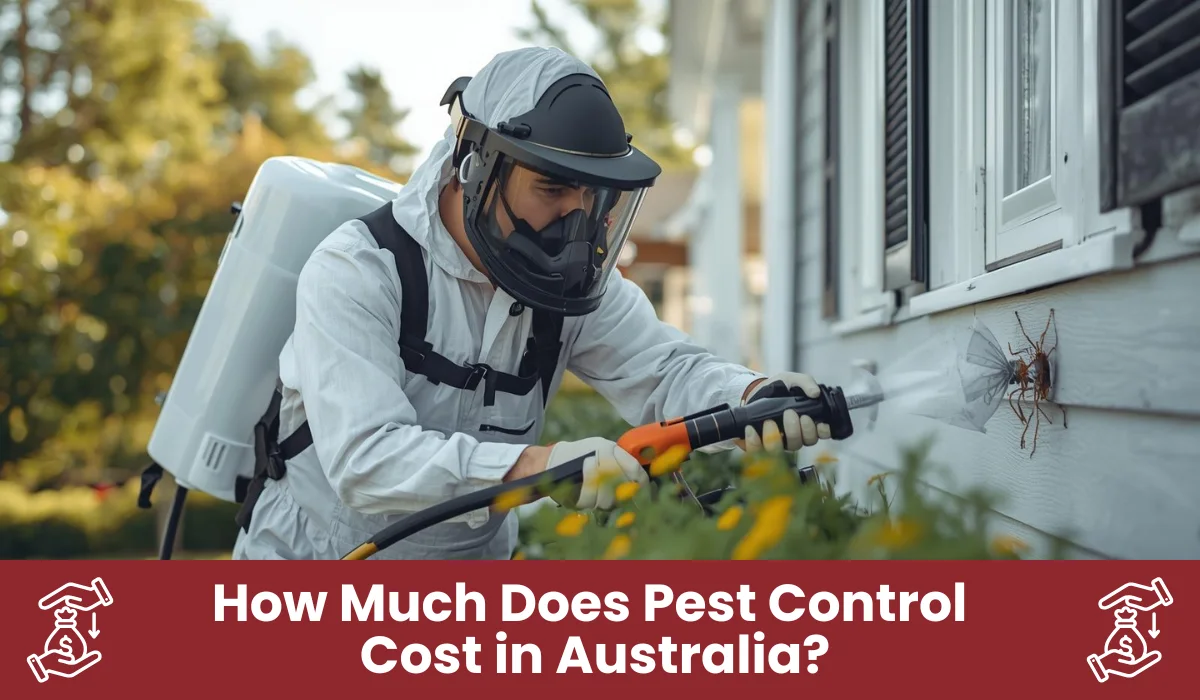
For an established or high-risk property, a chemical barrier applied around the perimeter of a building can help protect it from subterranean white ants over an extended period. This kind of treatment is generally carried out by an experienced pest professional, as it needs to be applied correctly and continuously around the full perimeter to be effective.
DIY vs Professional White Ant Control
Prevention steps like removing moisture, clearing timber contact and sealing gaps are all things a homeowner can reasonably manage. But once white ants are established inside a structure, home remedies rarely reach the nest or the queen, and disturbing an active colony without the right approach can actually cause it to split and spread further into a property.
If you’re weighing up whether to tackle a suspected infestation yourself, our comparison of DIY vs professional pest control walks through where DIY methods are reasonable and where professional assistance tends to make more sense.
Preventing White Ants Long-Term
White ant control isn’t a one-off task. Ongoing prevention includes regular timber pest inspections, keeping an eye on subfloor and roof void moisture, and reviewing your property after any landscaping, renovation or fence work that might disturb soil near the foundations. If you’re planning renovations, it’s worth reading our tips for preventing pests during home renovations, since building work can sometimes create new entry points if it isn’t managed carefully.
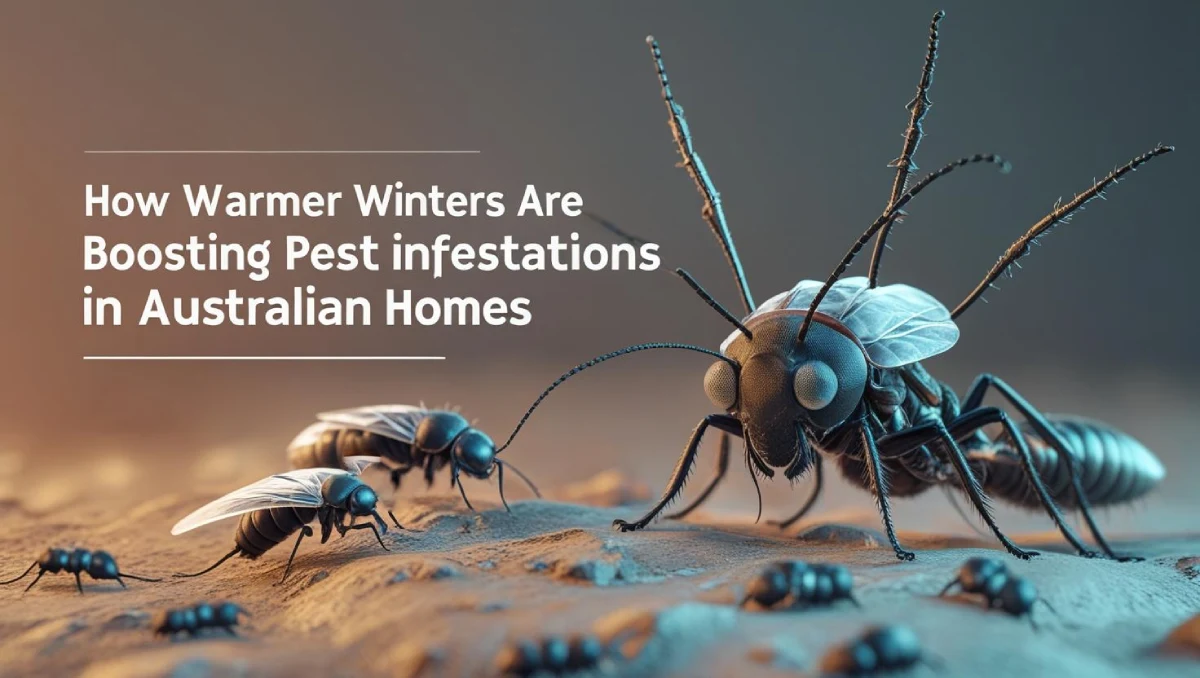
It’s also worth understanding how a changing climate is affecting pest behaviour more broadly, as shifting rainfall and temperature patterns can influence when and where termite activity increases across Australia.
Why Choose True Pest Control?
- Experienced professionals who understand common white ant behaviour across Australian homes
- Careful, methodical inspections that look beyond the obvious signs
- Reliable service focused on long-term prevention, not just a quick fix
- Customer-focused approach, with clear explanations of what’s found and what’s recommended
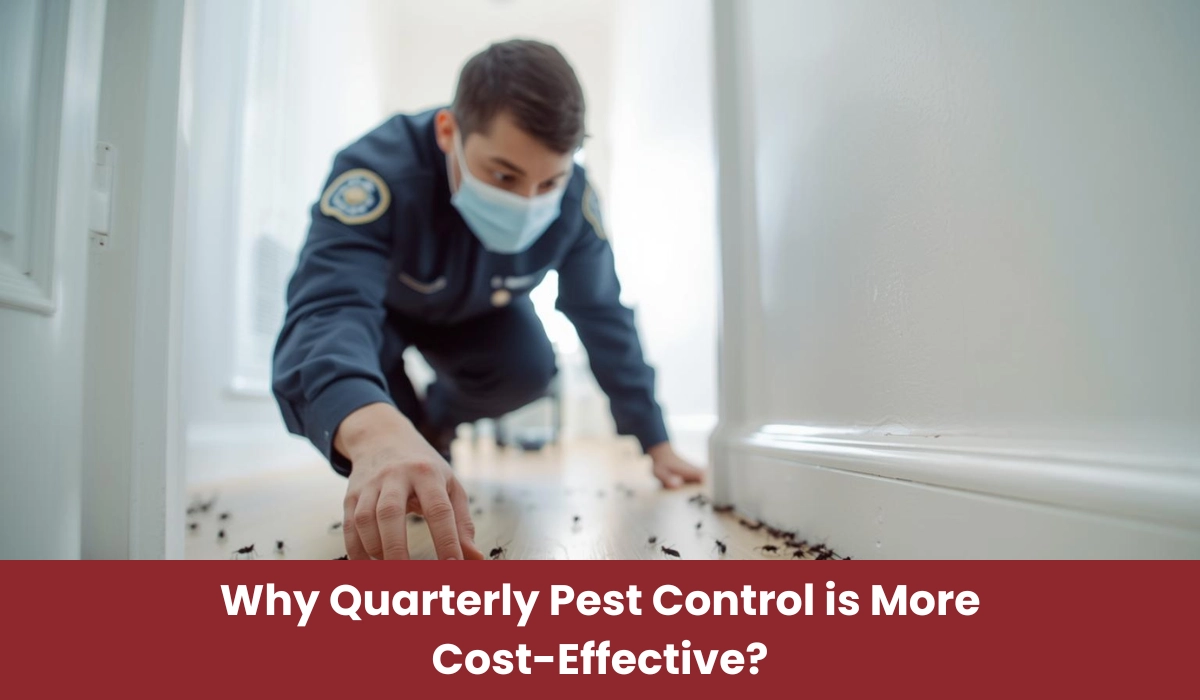
Understanding routine treatment options is also useful context – see our overview of cost-effective quarterly pest control and general guidance on pest control costs in Australia if you’re budgeting for ongoing protection.
Conclusion
White ants can cause serious, costly damage to a home long before most homeowners notice anything is wrong. The good news is that a lot of the risk comes down to conditions you can control – moisture, timber contact, stored wood and gaps in your foundations. Pairing these prevention steps with regular inspections gives you a strong chance of catching a problem early, and if you do suspect an active infestation, reach out to True Pest Control for an inspection and tailored advice on the right next step for your property.
FAQs
Ques 1: Are white ants the same as termites?
Ans. Yes. “White ants” is simply the common Australian name for termites. Despite the name, they aren’t ants at all – they belong to a different insect order and are more closely related to cockroaches.
Ques 2: Can I get rid of white ants myself?
Ans. You can reduce the risk of an infestation yourself by removing moisture, wood-to-soil contact and food sources around your home. However, once white ants are established inside a structure, DIY sprays rarely reach the nest or the queen, so professional assistance is usually needed to deal with an active colony.
Ques 3: What attracts white ants to a house?
Ans. White ants are drawn to moisture, timber in contact with soil, stored firewood, tree stumps, and cracks or gaps in a building’s foundation that give them a hidden path to a food source.
Ques 4: How do I know if I have white ants in my house?
Ans. Common signs include hollow-sounding timber, mud tubes on walls or piers, discarded wings near windows and doors, small holes in skirting boards or door frames, and paint that appears to be bubbling or flaking for no clear reason.
Ques 5: How often should I have my home inspected for white ants?
Ans. An annual timber pest inspection is generally recommended for most Australian homes, with more frequent checks in areas known for higher termite activity.
Ques 6: Does home insurance cover white ant damage?
Ans. Most standard home insurance policies in Australia don’t cover termite damage, which is why early detection and ongoing prevention are so important.