When spring rolls around in Australia, most people welcome the sunshine, warmer temperatures and blooming gardens. But for pest control professionals, spring signals the start of their busiest season. From ants in Adelaide to rodents in Sydney, pests of all shapes and sizes begin to re-emerge, and so does the pest control demand Australia spring is known for.
This article explores why spring brings such a dramatic rise in pest problems across the country and why certain cities experience worse infestations than others. We’ll also unpack what homeowners can expect based on where they live and provide insight into how to act before pests take over.
Why Spring Sparks a Pest Surge in Australia?
Spring marks a seasonal shift that wakes pests from winter hiding. As temperatures rise and humidity increases, breeding cycles ramp up. Insects and rodents become more active, looking for food, shelter, and nesting grounds. All of this activity drives up the pest control demand Australia spring more than at any other time of year.
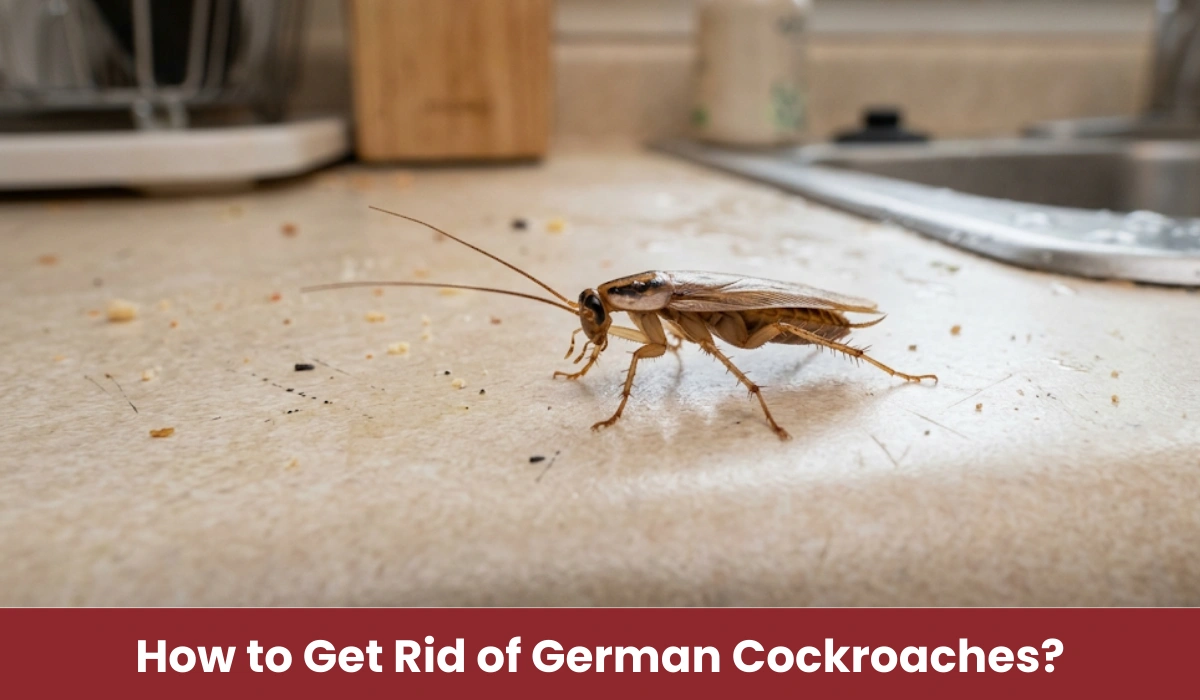
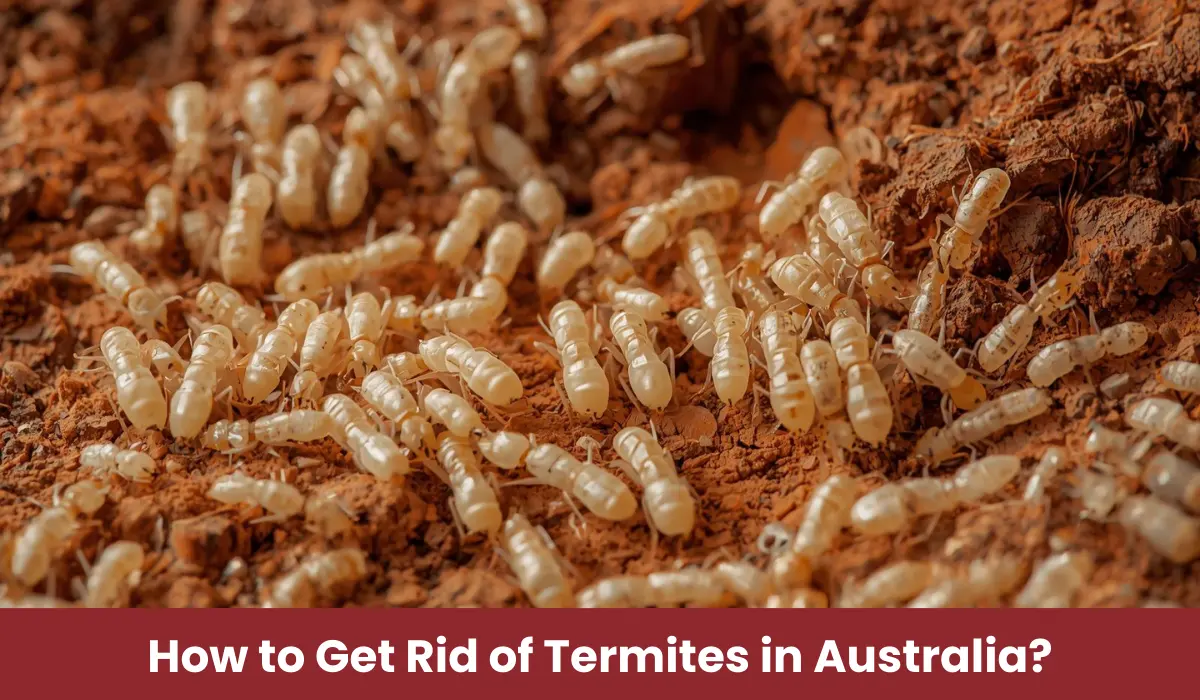
Termites start swarming, ants begin forming new colonies, and cockroaches, spiders and rodents all grow in numbers. Many of these pests look for ways inside homes, schools and businesses, making spring the perfect storm for infestations. This is why understanding the most common household pests in Australia can help homeowners take preventative steps early.
The Cities Hit Hardest by Spring Pests
Not all cities experience the same level of pest issues in spring. Several stand out due to climate, population density, and development patterns. Let’s look at the highest demand pest control cities Australia sees every year once spring begins:
Sydney, NSW
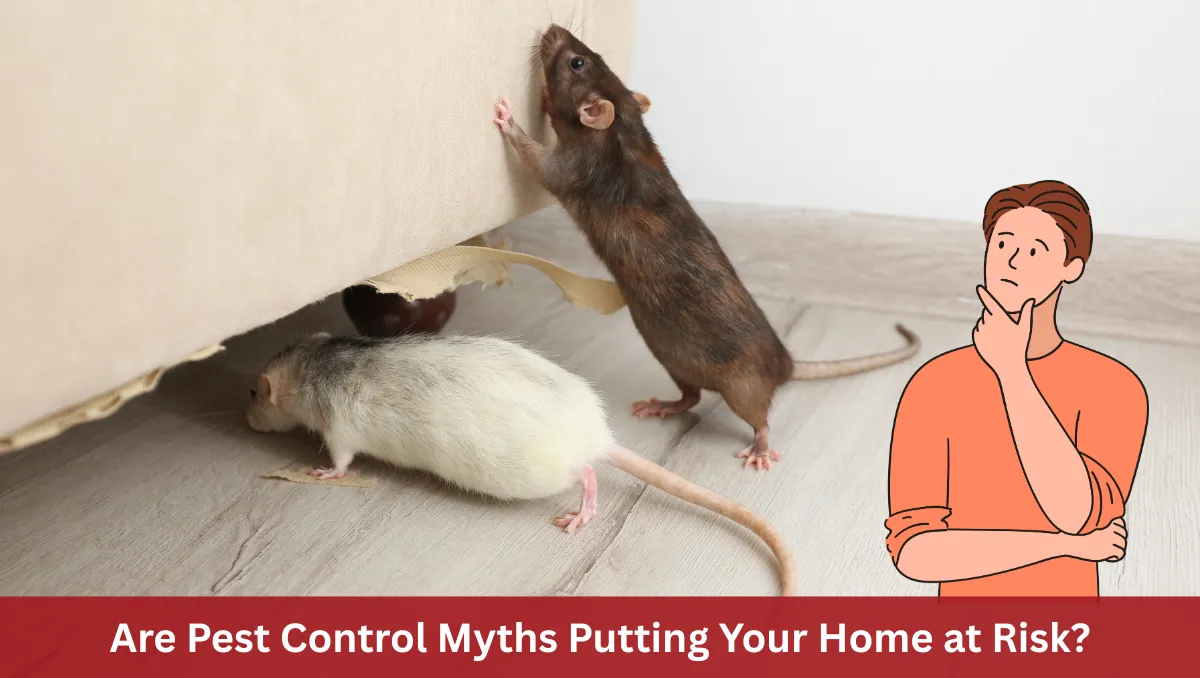
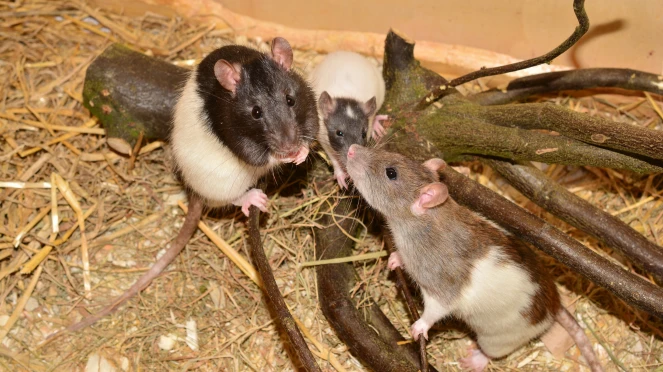
- Rodent issues are skyrocketing, partly due to urban construction displacing nests and increasing waste. You can learn more about rat and mouse droppings to identify early infestations.
- Massive fly swarms have made headlines in recent springs, frustrating residents and health authorities.
- High rainfall and population density make Sydney a pest magnet.
Brisbane & Southeast Queensland
- Rodent infestations in schools and homes spike during wet and humid springs.
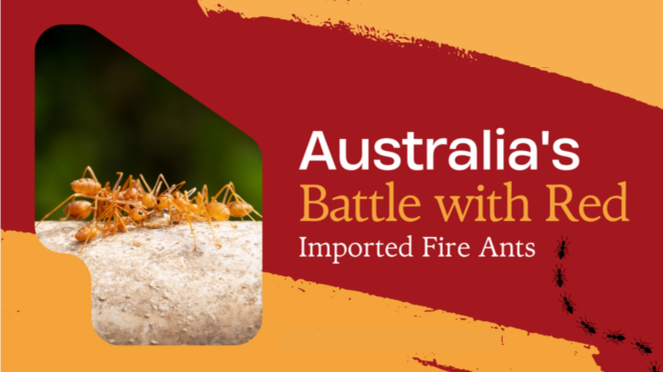
- Fire ants are a growing threat in the region, with new nests discovered outside containment zones.
- Brisbane’s heat and rapid development attract a variety of insect pests.
Melbourne, VIC
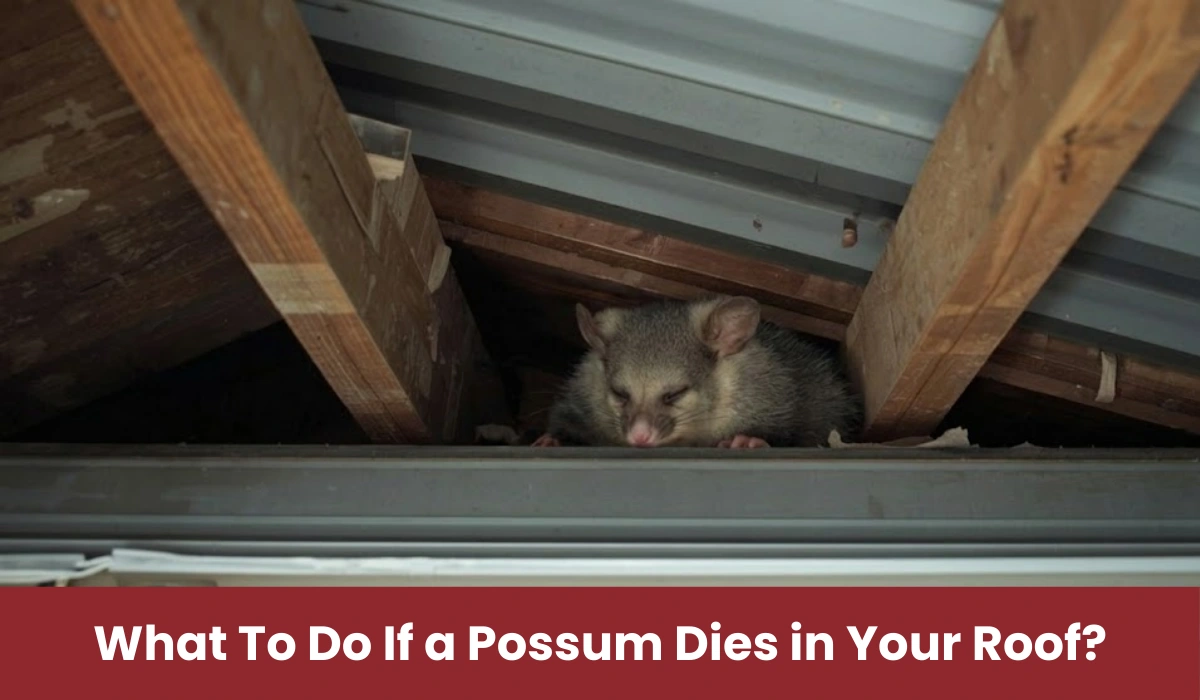
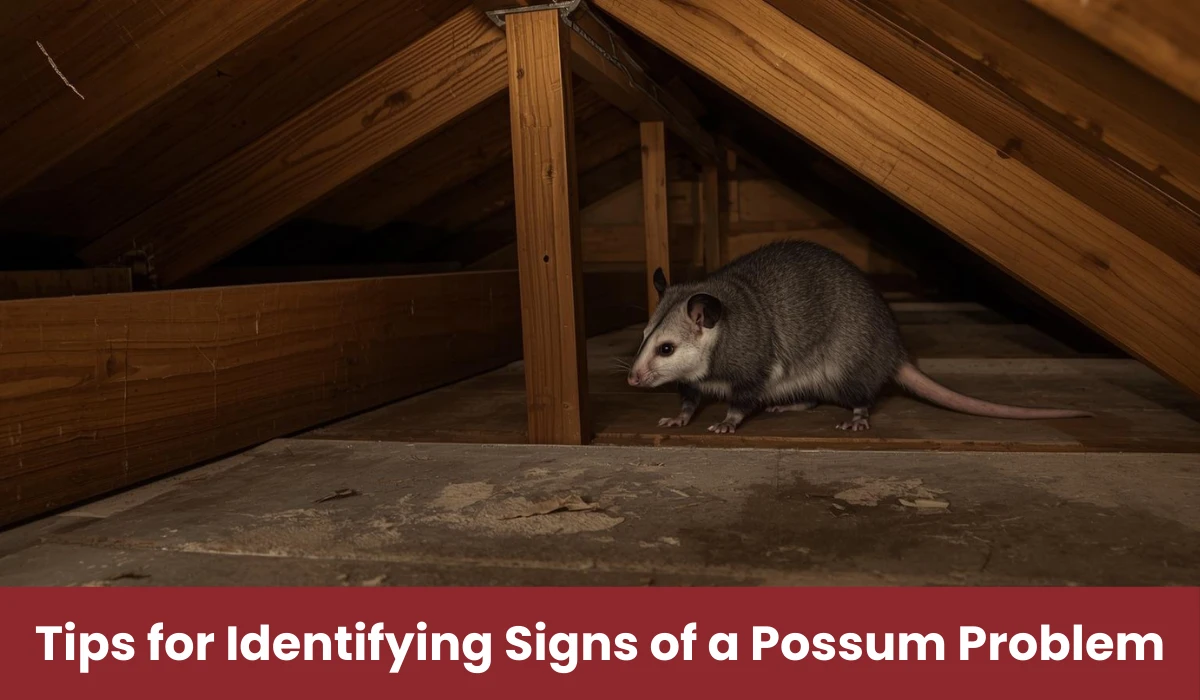
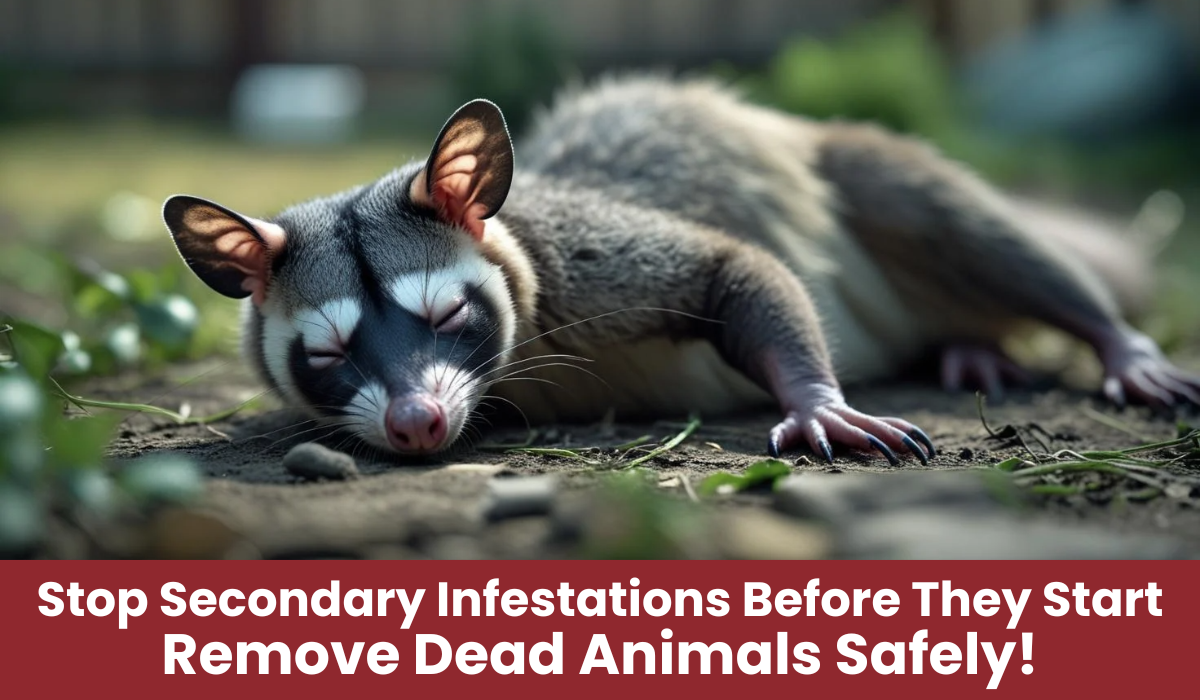
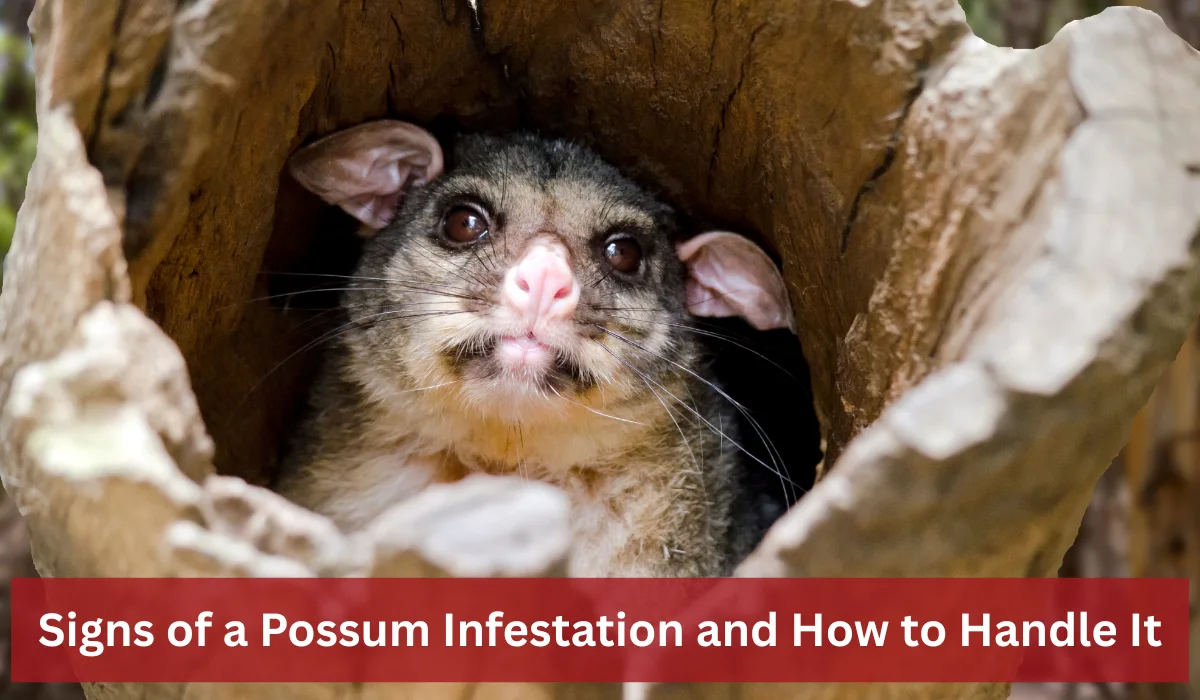
- Possum activity rises significantly in spring, especially in older suburbs with tree cover. For homeowners, it’s useful to know how to remove possums safely.
- Ants and termites become more aggressive, looking for timber-rich buildings to inhabit.
- Melbourne’s changing climate also plays a role in shifting pest behaviours.
These spring pest control Australia trends are especially important for property owners and renters who want to stay ahead of infestations.
What Pests to Watch Out for (By City)?
Here’s a quick breakdown of the most common pest types you’re likely to deal with depending on where you live:
- Sydney: Rats, flies, cockroaches, termites.
- Brisbane: Fire ants, rodents, mosquitoes.
- Melbourne: Possums, ants, spiders, termites.
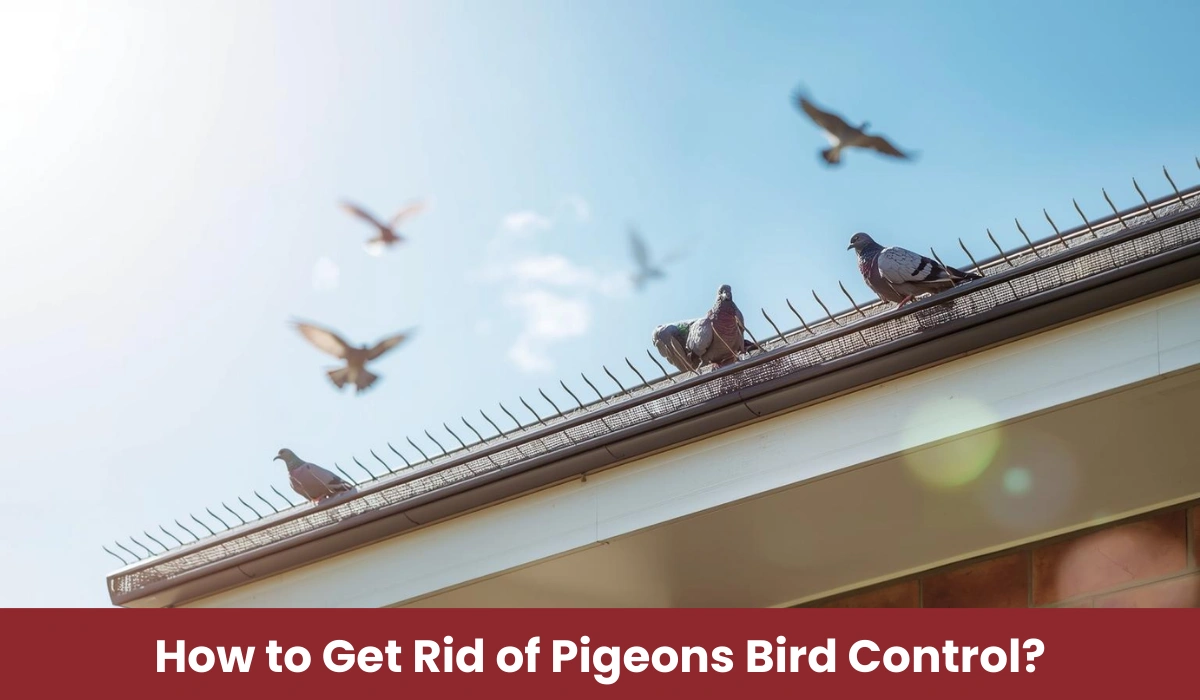
- Perth: Ants, wasps, beetles, birds.
- Adelaide: Cockroaches, spiders, silverfish.
- Canberra: Bogong moths (during migration), ants.
These seasonal pest issues by region can vary based on local weather patterns, recent rainfall, and how urban or rural an area is. Homeowners can also check our common mistakes that invite pests guide to avoid issues early.
Why the Demand Isn’t Just Weather-Based?
Of course, warmer weather alone isn’t the only reason for springtime infestations. Here’s what else contributes:
- Urban sprawl: New housing developments displace rodents, snakes, and spiders, forcing them into established areas.
- Poor waste management: Overflowing bins and food scraps encourage cockroaches, rats and flies.
- Climate change: Shifting temperatures and rainfall patterns extend breeding seasons, especially in warmer states.
These factors contribute to the overall pest control trends spring Australia is experiencing year after year.
Surprising Pest Problems Emerging in 2025
Pest professionals are also seeing new challenges pop up across the country:
- Fire ants in Queensland are spreading beyond containment zones, and their sting can cause severe allergic reactions.
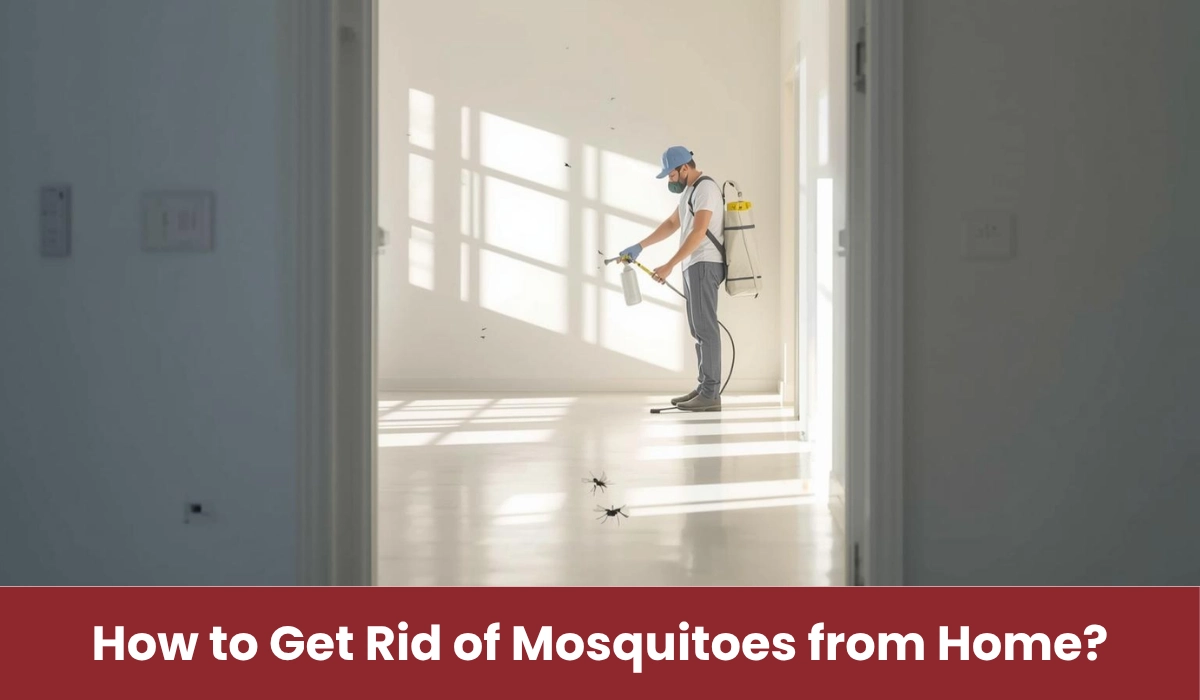
- Mosquito-borne viruses like Ross River and Barmah Forest are rising, especially near coastal areas.
- Possum-related property damage is increasing in inner Melbourne suburbs due to nesting in roofs.
In short, the most affected cities pest infestation list is growing, not just in number but in pest variety and complexity.
How Pest Control Needs Vary by Region?
If you live in Sydney, you’re probably dealing with rats or cockroaches. In contrast, a homeowner in Perth might be more worried about wasps or beetles nesting in the eaves. Understanding regional pest control statistics helps property owners make smarter decisions when booking inspections or treatments.
Seasonal pest calendars from pest control providers often list when each type of pest becomes most active in your area. For example:
- Termite risk peaks in Victoria and New South Wales in late spring.
- Rodents are more active in Queensland from September through November.
- Spiders spike in Western Australia once the weather warms.
This sort of city-wise pest control needs information is especially useful when planning renovations or preparing rental properties between tenants. These numbers highlight just how serious pest outbreaks Australia spring season can be, and why homeowners shouldn’t delay action.
Pest Data That Paints the Bigger Picture
Pest-related service calls in spring have been growing steadily over the years. Here are a few facts worth noting:
- WA saw an 87% increase in pest-control calls in a recent year.
- Termite treatments account for over 40% of pest spend in eastern states.
- Rodent-related health issues have surged in Sydney’s inner suburbs.
These numbers highlight just how serious pest outbreaks Australia spring season can be, and why homeowners shouldn’t delay action.
How to Stay Ahead of Pest Problems This Spring?
Getting proactive is key. Here’s what the experts recommend:
- Book a pest inspection in early spring before colonies have a chance to spread.
- Seal entry points like vents, gaps under doors and cracks around windows.
- Remove standing water and trim vegetation that’s close to your house.
- Store pet food securely and take out rubbish regularly.
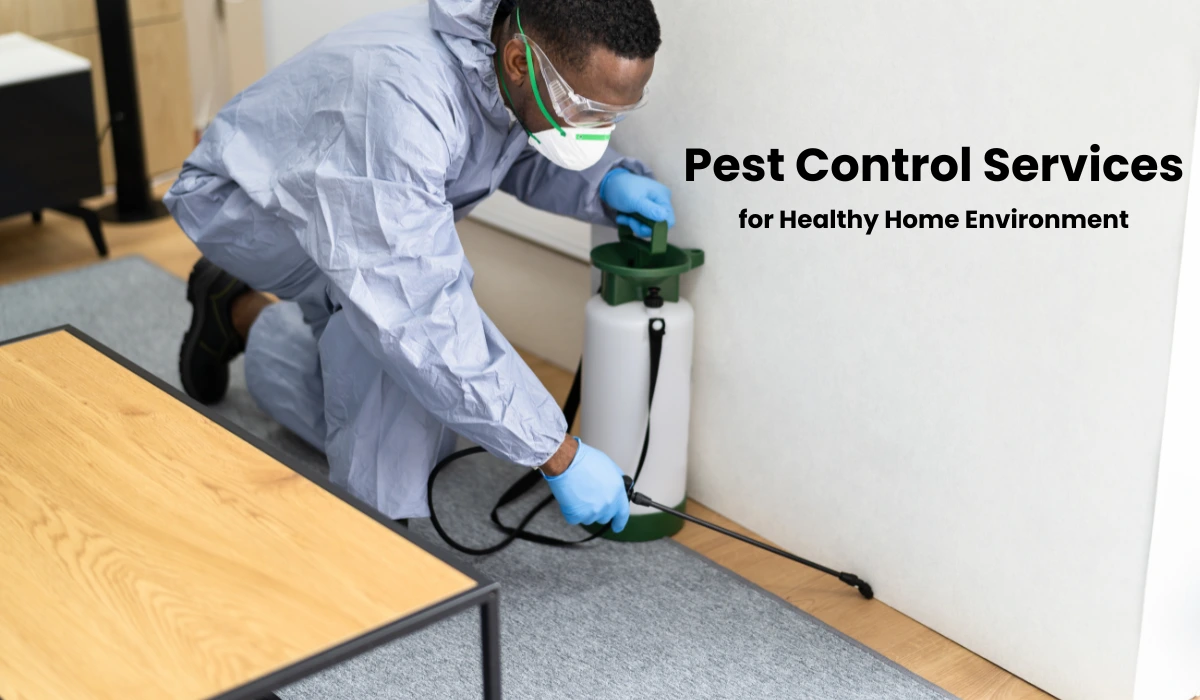
- Ask your pest control provider about non-toxic treatment options and prevention plans.
With Australian cities with pest problems continuing to expand, prevention will always be cheaper and easier than treatment.
Final Thoughts
As we’ve seen, pest control demand Australia spring is driven by regional factors like climate, development, and species-specific activity. If you’re a homeowner or business owner, now is the time to act. Don’t wait for pests to become a bigger problem.
Call True Pest Control today on 0480022718 to schedule your spring inspection and keep your property pest-free. Our licensed professionals know exactly what to look for in your region and offer fast, reliable service tailored to your needs. Stay protected this spring with True Pest Control.