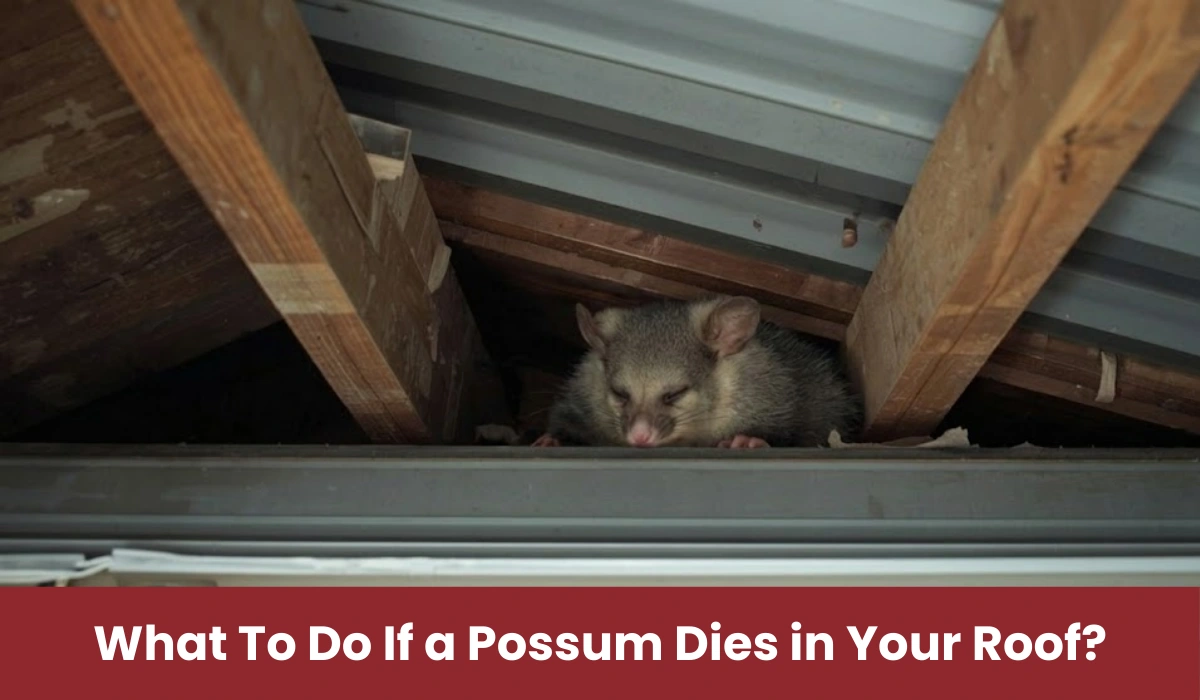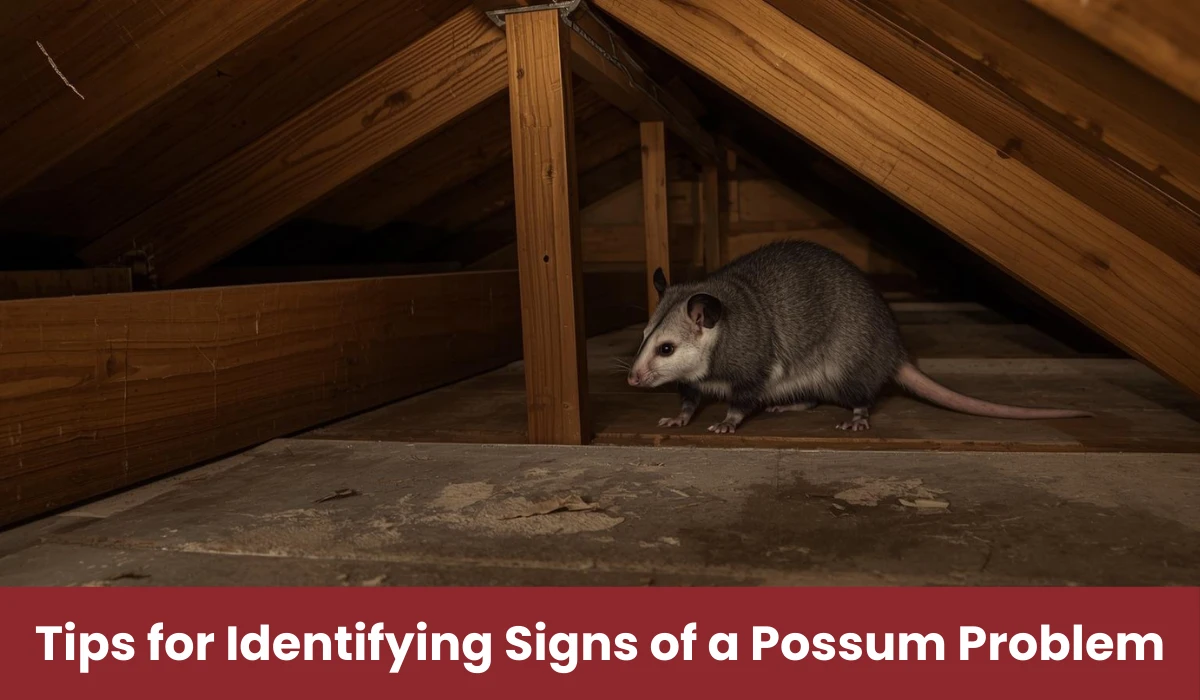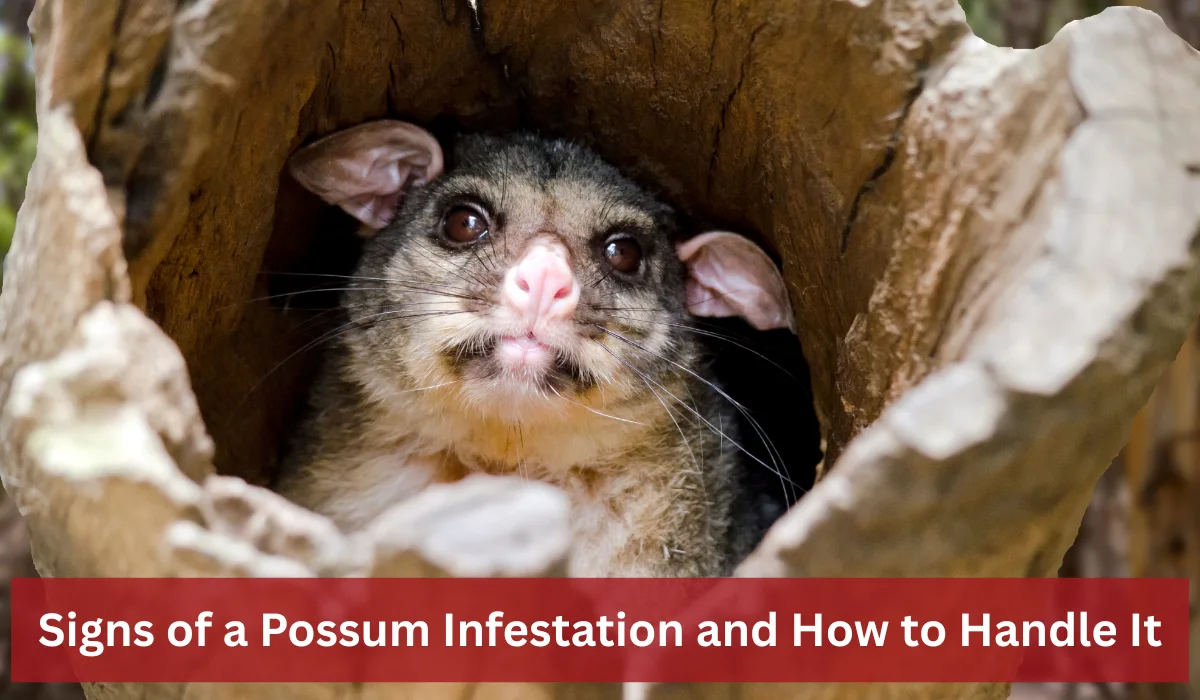
If you’ve ever heard rustling in the trees or soft thuds on your roof at night, chances are you’ve met one of Australia’s most misunderstood animals, the possum. While many people see them as pests, the truth is that these marsupials play a vital role in keeping our environment healthy.
The possums role in ecosystem goes far beyond what most realise. They pollinate flowers, spread seeds that help forests regenerate, and even control insect populations. By understanding how important they are, we can learn to appreciate them instead of fearing them.
This article explores why possums matter, how they support our ecosystems, and why protecting them is essential for Australia’s natural balance.
Understanding Bee Behaviour Before Taking Action
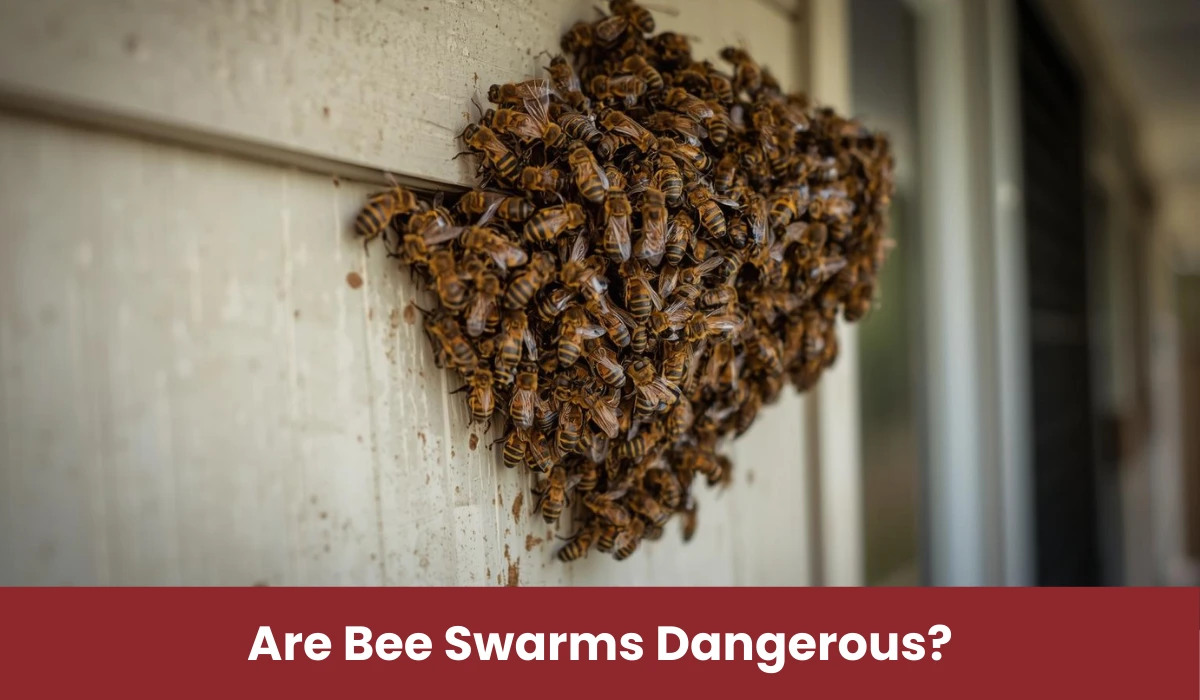
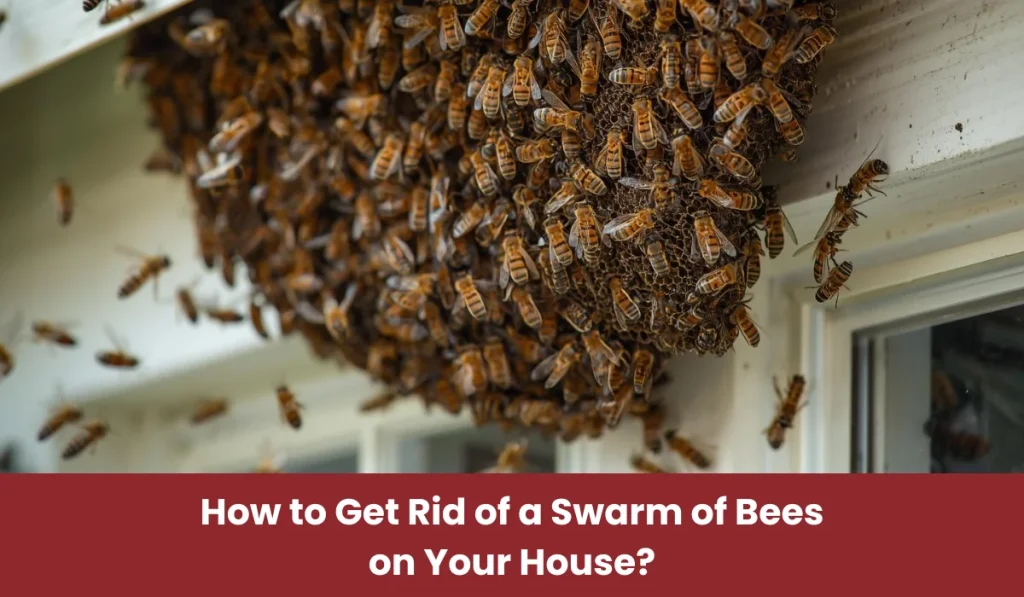
Before rushing for sprays or pest control products, it’s important to know how to remove a swarm of bees safely. A swarm is usually temporary, bees gather while looking for a new home, and they’re not typically aggressive unless provoked. Acting calmly and understanding their behaviour can make the removal process much smoother.
If you’ve recently seen bees around your property, you might also find our guide on how to get rid of bees on your roof or how to keep bees away from your home in 5 easy steps useful before calling professionals.
Step 1: Stay Calm and Keep Your Distance
If you notice a buzzing cluster in your backyard or near your roof, resist the urge to disturb them or spray chemicals. Searching online for bee swarm removal near me is often your best move. Professionals can identify whether it’s a harmless swarm or a more established hive that needs relocation.
What you should do immediately:
- Keep children and pets indoors.
- Close windows near the swarm.
- Do not use water, smoke, or pesticides.
- Observe from a safe distance and take photos for experts.
If you’re unsure whether the bees pose a threat, check out our post on common mistakes that invite pests into your home to avoid making the situation worse.
Step 2: Try Safe and Gentle Techniques First
If the bees are accessible and calm, there are safe bee removal methods you can try. These should always prioritise human and bee safety over convenience.
Some simple, gentle approaches include:
- Luring with an empty hive box: Beekeepers often use a small hive box or “swarm trap” near the cluster to encourage relocation.
- Sugar water misting: Lightly misting bees can calm them so they cluster closer together for easy collection.
- Using natural repellents: Scents like eucalyptus, citronella, and peppermint can deter bees from returning after removal.
If these approaches fail or the swarm seems too large, it’s time to call professionals.
Step 3: Why You Should Avoid Killing Bees?
Learning how to get rid of bees without killing them matters for both ethical and environmental reasons. Bees are vital for pollination and food production across Australia. Killing them with chemicals can cause ecological harm, and may not even solve the problem, since honey residue can attract new colonies.
Professional beekeepers can relocate the bees to an apiary or a managed hive, ensuring they survive and continue their essential pollinating work. For eco-conscious readers, our article on eco-friendly pest control explains why natural and humane pest management is the better choice.
Step 4: When Bees Are in Your Walls or Roof?
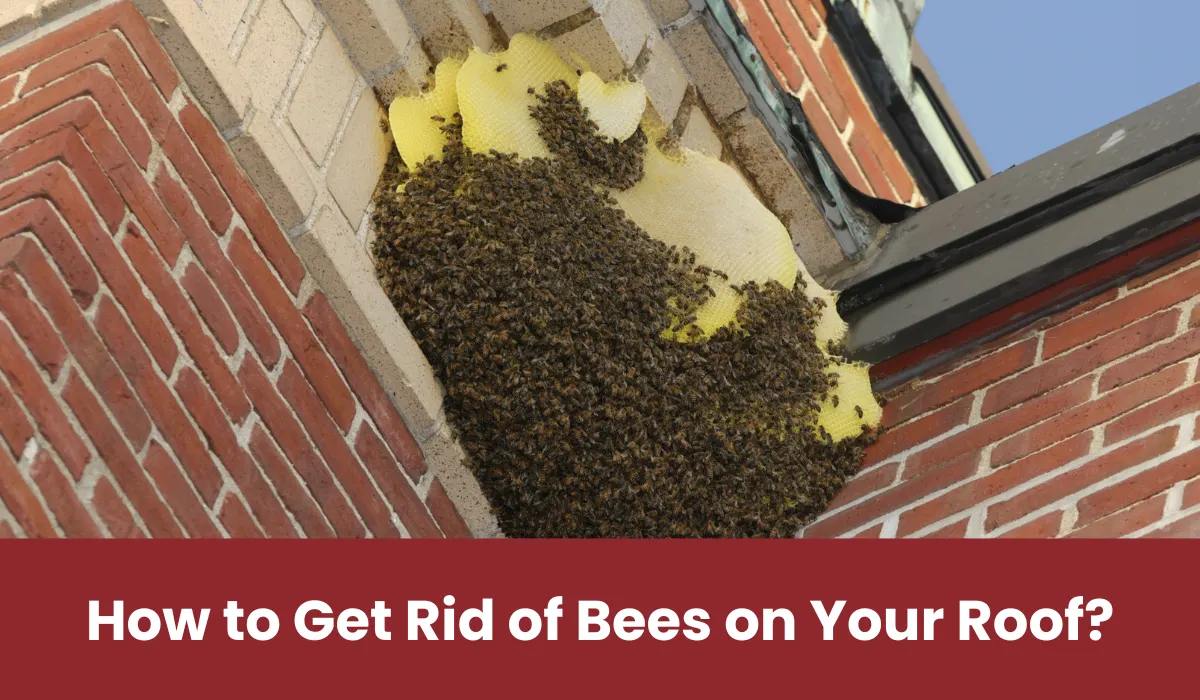
If you hear constant buzzing indoors or behind a wall, you might be facing a swarm of bees in house wall what to do situation. This is far more complex than outdoor swarms. Bees inside walls or roofs often build combs, store honey, and raise brood, meaning it’s an established colony, not a temporary stopover.
Here’s what to do next:
- Don’t try to seal or block their entry point; it can trap them inside.
- Avoid DIY removal, as breaking walls or ceilings can cause major damage.
- Contact licensed bee removers who can safely extract the hive and clean residual honey and wax.
Step 5: When to Call a Professional?
Bees inside walls or roofs can be stubborn and difficult to reach. In such cases, bee control for homes requires trained specialists with proper tools and experience. They’ll assess access points, safely remove the hive, and ensure no honey residue remains (which would otherwise attract more bees or pests).
Step 6: Why Professional Removal Is Worth It?
Hiring professional bee removal services ensures safety for everyone – you, your property, and the bees. Experts use protective equipment and ethical methods to relocate colonies without killing them.
Most bee removal specialists in Australia will:
- Identify whether it’s a swarm or a colony.
- Remove the bees alive using vacuum systems or hive boxes.
- Clean and restore the affected area.
- Prevent re-entry by sealing gaps and holes.
This not only solves the current issue but protects your home from future infestations.
Step 7: Ethical and Humane Bee Relocation
Choosing humane bee removal in Australia means preserving bee populations while keeping your home safe. Many local beekeepers or environmental groups offer live relocation, moving the bees into managed hives. This helps maintain pollination levels and supports native biodiversity.
Always confirm that your chosen service uses eco-friendly and non-toxic procedures. In most cases, ethical removal costs slightly more but ensures no unnecessary harm to these vital insects.
Step 8: Dealing With Bees on Your Roof
Spotting bees buzzing around your gutters or tiles? You might be wondering how to get rid of a swarm of bees on roof areas safely. Roof removals usually require professionals who can access high spaces, lift tiles, and remove entire colonies.
Avoid using smoke or repellents near roof vents, bees can retreat deeper inside insulation, making removal harder. Instead, call a licensed beekeeper who can extract them safely using special bee vacuums and hive boxes.
Step 9: How to Prevent Future Infestations?
After successful removal, prevention is key. Understanding how to keep bees away from your home naturally will help ensure they don’t return.
Try these tips:
- Seal small holes and gaps around eaves, walls, and vents.
- Cover chimneys and air vents with fine mesh.
- Avoid leaving sugary food or drinks outdoors.
- Grow bee-repelling plants like mint, eucalyptus, or lemongrass near entry points.
- Conduct seasonal checks, especially in spring, when swarms are most active.
A few simple maintenance habits can save you from future headaches.
Step 10: Preventing Future Bee Problems
Knowing how to keep bees away from your home naturally is key to avoiding future swarms. Bees look for quiet, dark spaces with access to warmth and shelter, your roof or wall cavities are perfect for them.
To prevent another swarm:
- Seal all holes and cracks in eaves or walls.
- Cover vents and chimneys with fine mesh.
- Avoid leaving sweet food or drinks outdoors.
- Plant bee-repellent herbs like mint, lemongrass, or citronella near entry points.
- Regularly inspect your roof and attic during spring (swarm season).
Step 11: What to Do During a Swarm Around Your House
It can be frightening to see bees flying in a cloud around your property. If you’re wondering what to do if bees swarm around your house, stay calm. It usually means they’re in transit. The swarm often settles within hours.
Still, keep your distance, and inform neighbours with outdoor pets or children. If bees remain in one spot for over a day, it’s time to call a beekeeper for safe relocation.
Step 12: Who to Contact for Help
When unsure, it’s always smart to know who to call for bee removal in Australia. Many regions have local beekeeper associations that maintain lists of swarm catchers and licensed bee relocation experts.
You can search online for local “bee removal” or “beekeeping clubs” in your state, such as:
- Bee Industry Council of Western Australia (BICWA)
- NSW Amateur Beekeepers Association
- Queensland Beekeepers Association
These organisations often provide quick, affordable, and humane help.
Step 13: Legal and Environmental Notes
In most Australian states, honey bees are considered valuable livestock, not pests. Killing them with chemicals could violate local environmental guidelines. Always check your local council’s rules before attempting removal or extermination. Encourage ethical relocation, which supports local agriculture and biodiversity while keeping your home safe.
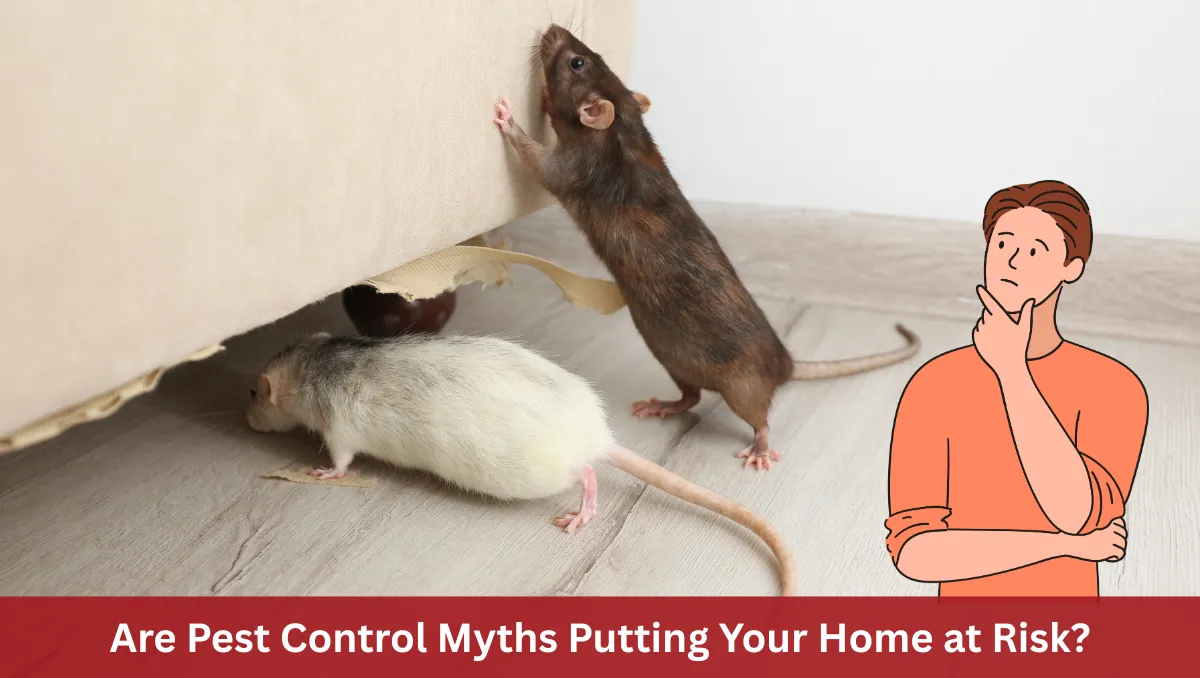
You can also read Are Pest Control Myths Putting Your Home at Risk? to understand why the right pest management approach matters.
Handle Bee Problems with Care
Possums aren’t just noisy visitors in the night, they’re important little workers helping to keep our environment alive and healthy. The possums role in ecosystem includes pollinating plants, spreading seeds, and naturally balancing insect populations, all of which make them an essential part of Australia’s wildlife network. Still, when they sneak into roofs or sheds, they can become a real nuisance. That’s where True Pest Control steps in. We focus on safe, humane possum removal that protects your property while respecting nature. If you’ve got possums causing trouble, don’t stress. Call 0480022718 and let our friendly team help you handle it the right way.